Timothy J. Barber Act
Summary
What This Bill Does
The Timothy J. Barber Act directs the Secretary of Labor to examine how the Occupational Safety and Health Administration spends money on technical assistance and compliance assistance for heat-related illness. The study must look at effectiveness nationally and regionally and determine how the spending could be made more effective. Within 180 days, Labor must report to Congress with results and recommendations for legislative or other action. The bill does not create a new heat standard, but it forces a focused evaluation of whether OSHA assistance spending reaches workers and employers in places that may not see themselves as traditional high-heat jurisdictions.
Who Benefits and How
Workers exposed to heat illness benefit because Congress would receive evidence on whether OSHA assistance spending is effective. Employers needing heat-safety guidance benefit if the study improves technical assistance and compliance assistance. OSHA regional offices benefit from a review of national and regional spending effectiveness. Congressional labor committees benefit from recommendations on legislative or administrative changes to heat-illness assistance.
Who Bears the Burden and How
The Secretary of Labor must conduct the study and submit the report within 180 days. OSHA program offices must provide spending, effectiveness, and regional information for the review. Federal workplace-safety analysts must develop recommendations for improving heat-related illness assistance. Employers may later face revised outreach or compliance expectations if Labor recommends changes.
Key Provisions
- Requires a Labor Department study of OSHA spending on heat-related illness technical assistance and compliance assistance.
- Requires effectiveness review at both national and regional levels.
- Directs Labor to identify how spending may be made more effective.
- Requires a congressional report within 180 days with legislative or other recommendations.
Evidence Chain:
This summary is generated from the full bill text using AI analysis. Expand "Detailed Analysis" below for identified beneficiaries/burden bearers with clause-level evidence links.
At a Glance
What This Bill Does
Requires the Secretary of Labor to study OSHA spending on heat-related illness technical assistance and compliance assistance and report within 180 days on effectiveness and needed improvements.
Key Policy Areas
Workplace Safety, Labor, Heat Illness
Primary Purpose
Requires the Secretary of Labor to study OSHA spending on heat-related illness technical assistance and compliance assistance and report within 180 days on effectiveness and needed improvements.
Policy Domains
Resolution provisions
Identified Gains
- Workers exposed to heat illness
- Employers needing heat-safety guidance
- OSHA regional offices
- Congressional labor committees
Identified Costs
- Secretary of Labor
- OSHA program offices
- Federal workplace-safety analysts
- Employers receiving OSHA assistance
Legislative Progress
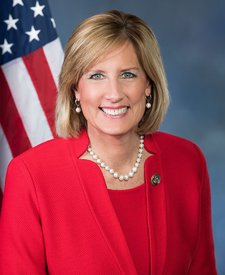
In CommitteeMs. Tenney introduced the following bill; which was referred to …
Referred to the House Committee on Education and Workforce.
Introduced in House
Stakeholder Effects
cui bono?How this legislation distributes effects. Mention counts reflect frequency, not effect magnitude.
Federal workplace-safety analysts, OSHA program offices, OSHA regional offices
Bill Structure & Actor Mappings
Who is "The Secretary" in each section?
We use a combination of our own taxonomy and classification in addition to large language models to assess meaning and potential beneficiaries. High confidence means strong textual evidence. Always verify with the original bill text.
Learn more about our methodology