Direct Hire To Fight Fires
Summary
What This Bill Does
This bill focuses on hiring for federal wildland firefighting positions at the Forest Service and the Department of the Interior. Within one year, the Secretaries must consult with the Director of the Office of Personnel Management and implement policies to recruit and retain wildland firefighters and support personnel. Those policies must reduce hiring time, eliminate redundancies in the federal hiring process, streamline hiring for firefighters who worked for the agencies in prior years, and reduce barriers to transfers between agencies.
Beginning one year after enactment and every year after that, each Secretary must report to the relevant congressional committees by February 1. The reports must include information about vacancies, hiring events, recruitment barriers, and other staffing information specified in the bill. The practical effect is to push the Forest Service and Interior fire agencies toward faster seasonal and permanent hiring pipelines and more transparent reporting on whether those pipelines are filling wildfire-response jobs.
Who Benefits and How
Prospective wildland firefighter applicants benefit from faster hiring and fewer duplicative steps. Returning seasonal firefighters benefit from streamlined reentry into Forest Service or Interior positions after prior service. Federal wildland firefighting crews benefit if vacancies are filled sooner before fire season. Communities at wildfire risk benefit from better-staffed federal fire response and mitigation capacity. Forest Service hiring offices and Interior firefighting hiring offices benefit from a statutory mandate to simplify processes that may currently slow staffing.
Who Bears the Burden and How
Forest Service human resources staff and Interior human resources staff must redesign hiring workflows, reduce redundancies, and support interagency transfers. Office of Personnel Management staff must consult on the policies and may lose some practical control over standard hiring procedures if agencies streamline direct wildfire hiring. Agency reporting staff must compile annual data for congressional committees by February 1. Other federal job applicants may face fewer open competitive opportunities where agencies streamline firefighter hiring pathways.
Key Provisions
- Requires Agriculture and Interior to implement wildland firefighter recruitment and retention policies within one year.
- Requires policies to reduce hiring time for wildland firefighters and support personnel.
- Requires policies to eliminate redundancies and streamline rehiring of prior-year agency firefighters.
- Requires policies to reduce barriers for firefighters transferring between agencies.
- Requires annual February 1 reports to congressional committees on wildland firefighter hiring and staffing.
Evidence Chain:
This summary is generated from the full bill text using AI analysis. Expand "Detailed Analysis" below for identified beneficiaries/burden bearers with clause-level evidence links.
At a Glance
What This Bill Does
Requires the Agriculture and Interior Secretaries, in consultation with the Office of Personnel Management, to streamline federal wildland firefighter hiring and submit annual reports on vacancies, hiring events, recruitment barriers, and staffing needs.
Key Policy Areas
Wildfire, Federal Workforce, Public Lands, Emergency Management
Primary Purpose
Requires the Agriculture and Interior Secretaries, in consultation with the Office of Personnel Management, to streamline federal wildland firefighter hiring and submit annual reports on vacancies, hiring events, recruitment barriers, and staffing needs.
Policy Domains
House resolution provisions
Identified Gains
- Prospective wildland firefighter applicants
- Returning seasonal firefighters
- Federal wildland firefighting crews
- Communities at wildfire risk
- Forest Service hiring offices
- Interior firefighting hiring offices
Identified Costs
- Forest Service human resources staff
- Interior human resources staff
- Office of Personnel Management staff
- Agency reporting staff
- Other federal job applicants
Sponsors

Legislative Progress
ReportedReported by the Committee on Natural Resources. H. Rept. 119-432, …
Ordered to be Reported by Unanimous Consent.
Committee Consideration and Mark-up Session Held
Referred to the Subcommittee on Forestry and Horticulture.
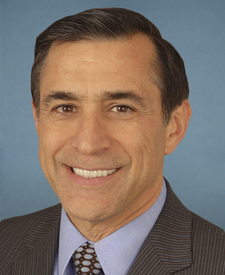
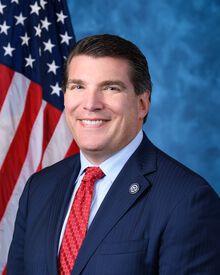
Mr. Issa (for himself, Mr. Kiley of California, and Mr. …
Referred to the Committee on Oversight and Government Reform, and …
Introduced in House
Stakeholder Effects
cui bono?How this legislation distributes effects. Mention counts reflect frequency, not effect magnitude.
Communities at wildfire risk, Prospective wildland firefighter applicants, Returning seasonal firefighters
Forest Service hiring offices, Interior firefighting hiring offices, Office of Personnel Management staff
Bill Structure & Actor Mappings
Who is "The Secretary" in each section?
- "opm"
- → Director of the Office of Personnel Management
- "interior"
- → Secretary of the Interior
- "agriculture"
- → Secretary of Agriculture
We use a combination of our own taxonomy and classification in addition to large language models to assess meaning and potential beneficiaries. High confidence means strong textual evidence. Always verify with the original bill text.
Learn more about our methodology