Weather-Safe Energy Act of 2025
Summary
What This Bill Does
The Weather-Safe Energy Act requires the Secretary of Energy to report to Congress within six months on federally funded research and development center work using meteorological, hydrological, and extreme-weather data for energy-system modeling and on DOE's plan to implement the bill. DOE must then develop and maintain an open-access Weather-Safe Energy Platform within two years. The Platform must provide high-resolution U.S. meteorological and hydrological variables from advanced atmospheric models, regional forecasting datasets, and reanalysis data; preserve spatiotemporal correlations needed to model cascading electricity-system failures; include historical data and short-, medium-, and long-term projections; support ensemble and narrative scenario modeling; and provide up-to-date information suitable for electricity planning and operations. DOE must consult with other federal agencies, national laboratories, federally funded research and development centers, electric utilities, grid operators, state energy offices, public utility commissions, reliability organizations, and other experts, and must support technical assistance and training for users.
Who Benefits and How
Electric utilities benefit because the Platform would provide weather and hydrology data suited to grid planning and operations. Grid operators benefit from data that preserves correlations relevant to cascading failures and reliability modeling. State energy offices and public utility commissions benefit from open-access scenarios for evaluating electricity-system planning decisions. National laboratories and federally funded research centers benefit from a defined DOE role using their modeling expertise.
Who Bears the Burden and How
The Department of Energy must build, maintain, update, and support the Weather-Safe Energy Platform. The Secretary of Energy must submit an initial report within six months and make the Platform available within two years. Federal research centers and national laboratories must coordinate data, modeling methods, technical assistance, and training. Electric-sector users may need to adapt planning models to use higher-resolution weather and hydrological datasets.
Key Provisions
- Requires DOE to report on weather and extreme-event data use in energy-system modeling within six months.
- Establishes an open-access Weather-Safe Energy Platform within two years.
- Provides high-resolution meteorological, hydrological, historical, projection, and ensemble scenario data for electricity planning.
- Requires consultation, technical assistance, and training for electric-sector and public-sector users.
Evidence Chain:
This summary is generated from the full bill text using AI analysis. Expand "Detailed Analysis" below for identified beneficiaries/burden bearers with clause-level evidence links.
At a Glance
What This Bill Does
Requires the Department of Energy to create a Weather-Safe Energy Platform providing high-resolution meteorological, hydrological, and extreme-weather data for electricity system planning and operational modeling.
Key Policy Areas
Energy, Weather Data, Grid Reliability
Primary Purpose
Requires the Department of Energy to create a Weather-Safe Energy Platform providing high-resolution meteorological, hydrological, and extreme-weather data for electricity system planning and operational modeling.
Policy Domains
Resolution provisions
Identified Gains
- Electric utilities
- Grid operators
- State energy offices and public utility commissions
- National laboratories and federally funded research centers
Identified Costs
- Department of Energy
- Secretary of Energy
- Federal research centers
- Electric-sector planning model users
Sponsors

Legislative Progress
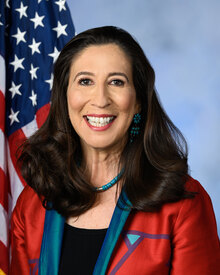
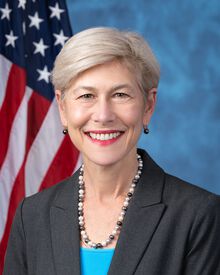
In CommitteeMs. Leger Fernandez (for herself, Mr. Casten, Ms. Castor of …
Referred to the House Committee on Science, Space, and Technology.
Introduced in House
Stakeholder Effects
cui bono?How this legislation distributes effects. Mention counts reflect frequency, not effect magnitude.
Bill Structure & Actor Mappings
Who is "The Secretary" in each section?
We use a combination of our own taxonomy and classification in addition to large language models to assess meaning and potential beneficiaries. High confidence means strong textual evidence. Always verify with the original bill text.
Learn more about our methodology