YALI Act of 2025
Summary
What This Bill Does
This bill formally establishes the Young African Leaders Initiative, or YALI, as a program carried out by the Secretary of State. Congress states that YALI has been a signature U.S. effort since 2010 to invest in emerging African leaders and that U.S. outreach should support leadership skills, entrepreneurship, public administration, civil society, governance, peace, and economic growth in sub-Saharan Africa.
The operative section directs YALI to build capacity for young African leaders in business, civic engagement, and public administration. The program includes professional development, training, networking, support for the Mandela Washington Fellowship, regional leadership centers in sub-Saharan Africa, online courses, annual summits, private-sector and civil-society partnerships, and economic or technical assistance in areas such as tendering, bidding, contract negotiation, budget management, anti-corruption, and regulatory practices. The Secretary of State must submit an implementation plan within 180 days and annual progress reports for five years.
Who Benefits and How
Young African leaders aged 18 to 35 benefit from training, networking, fellowship placements, and technical assistance in business, civic engagement, and public administration. Mandela Washington Fellowship participants benefit from U.S. university and institutional leadership programming. Regional Leadership Center trainees benefit from year-round programs in sub-Saharan Africa closer to home. African entrepreneurs and civil society leaders benefit from support in contract negotiation, anti-corruption, governance, elections, human rights, peace, and security. U.S. businesses and universities benefit from stronger relationships with African alumni networks and future public-sector or private-sector leaders.
Who Bears the Burden and How
Secretary of State program staff must administer YALI, coordinate fellowships, support regional centers, run summits, and deliver implementation and annual reports. USAID program staff and other federal agencies may support economic and technical assistance. U.S. embassies in sub-Saharan Africa must help recruit, screen, and support participants. Federal appropriators and taxpayers bear program costs if Congress funds the expanded framework. Program evaluators must track outcomes across multiple countries, centers, and alumni networks.
Key Provisions
- Establishes YALI as a State Department program for young African leaders in sub-Saharan Africa.
- Provides professional development, training, networking, and technical assistance in business, civic engagement, and public administration.
- Supports the Mandela Washington Fellowship, regional leadership centers, online courses, annual summits, and alumni networking.
- Requires a State Department implementation plan within 180 days.
- Requires annual progress reports to Congress for five years.
Evidence Chain:
This summary is generated from the full bill text using AI analysis. Expand "Detailed Analysis" below for identified beneficiaries/burden bearers with clause-level evidence links.
At a Glance
What This Bill Does
Codifies the Young African Leaders Initiative as a State Department program supporting young leaders in sub-Saharan Africa through the Mandela Washington Fellowship, regional leadership centers, professional training, networking, technical assistance, and implementation reporting.
Key Policy Areas
Foreign Affairs, Education, Economic Development, Democracy
Primary Purpose
Codifies the Young African Leaders Initiative as a State Department program supporting young leaders in sub-Saharan Africa through the Mandela Washington Fellowship, regional leadership centers, professional training, networking, technical assistance, and implementation reporting.
Policy Domains
House resolution provisions
Identified Gains
- Young African leaders aged 18 to 35
- Mandela Washington Fellowship participants
- Regional Leadership Center trainees
- African entrepreneurs
- African civil society leaders
- U.S. universities
Identified Costs
- Secretary of State program staff
- USAID program staff
- U.S. embassies in sub-Saharan Africa
- Federal appropriators
- Program evaluators
Sponsors
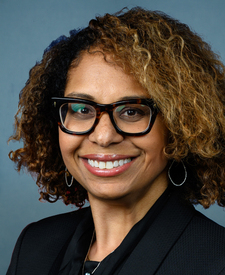
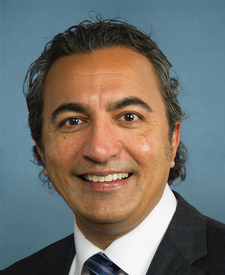
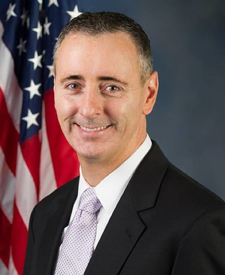
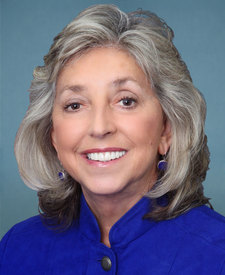
Legislative Progress
ReportedOrdered to be Reported in the Nature of a Substitute …
Committee Consideration and Mark-up Session Held
Ms. Kamlager-Dove (for herself, Mrs. Kim, Ms. Jacobs, Mr. McCaul, …
Referred to the House Committee on Foreign Affairs.
Introduced in House
Stakeholder Effects
cui bono?How this legislation distributes effects. Mention counts reflect frequency, not effect magnitude.
Mandela Washington Fellowship participants, Regional Leadership Center trainees, U.S. universities hosting fellows
Secretary of State program staff, USAID program staff
Bill Structure & Actor Mappings
Who is "The Secretary" in each section?
- "usaid"
- → United States Agency for International Development
- "secretary"
- → Secretary of State
We use a combination of our own taxonomy and classification in addition to large language models to assess meaning and potential beneficiaries. High confidence means strong textual evidence. Always verify with the original bill text.
Learn more about our methodology