To direct the Secretary of Defense to develop a strategy for treating traumatic brain injuries through digital health technologies.
Analysis under review: This bill has generated analysis that may be too generic or incomplete. Clause-level evidence remains available below.
Summary
What This Bill Does
This bill requires the Department of Defense to create a working group focused on using artificial intelligence and digital health technologies to treat traumatic brain injuries in service members. The group must identify gaps in current TBI treatment, review existing technology solutions, and develop a roadmap with specific recommendations and funding needs. The Secretary of Defense must brief Congress on the strategy by September 2026.
Who Benefits and How
Digital health technology companies and AI developers stand to benefit significantly from this bill. By directing the Pentagon to analyze and potentially invest in AI-based TBI treatment solutions, the bill creates a clear pathway for these companies to sell their products and services to the military. Medical device manufacturers offering "commercial off-the-shelf" digital health solutions will also gain opportunities, as the bill specifically requires analysis of existing commercial products. Defense healthcare contractors and consultants with expertise in biomedical informatics or TBI care may be invited to join the working group or assist with strategy development, creating new business opportunities.
Who Bears the Burden and How
The Department of Defense bears the primary burden through administrative costs and staff time. The Pentagon must establish and manage a multi-stakeholder working group, conduct extensive analysis of technology gaps and solutions, develop investment plans, and produce congressional briefings—all within tight timelines. Military healthcare administrators will need to coordinate with external experts and navigate the complexities of evaluating emerging technologies while maintaining their regular duties.
Key Provisions
- Establishes a working group composed of military personnel, DoD civilians, and outside experts in TBI care, biomedical informatics, engineering, and implementation science
- Requires identification of TBI treatment gaps that AI and digital health could address
- Mandates analysis of existing Pentagon research, development, and procurement efforts related to AI-based TBI treatments, including commercial products already in use
- Demands specific recommendations for technology advances needed to improve TBI treatment using AI
- Requires an investment plan showing how to move digital health technologies from development to actual deployment for treating service members
- Sets a deadline of September 30, 2026 for briefing congressional defense committees on the completed strategy
Evidence Chain:
This summary is generated from the full bill text using AI analysis. Expand "Detailed Analysis" below for identified beneficiaries/burden bearers.
At a Glance
What This Bill Does
Establishes a working group within the Defense Department to develop a strategy for treating traumatic brain injuries using artificial intelligence and digital health technologies
Who Benefits
- Armed Forces members with traumatic brain injuries
- Digital health technology companies and AI developers
- Medical device manufacturers (commercial off-the-shelf solutions)
Who Bears Costs
- Department of Defense (administrative burden of establishing working group and developing strategy)
- Congressional defense committees (must receive briefing)
Key Policy Areas
Defense, Healthcare, Technology
Primary Purpose
Establishes a working group within the Defense Department to develop a strategy for treating traumatic brain injuries using artificial intelligence and digital health technologies
Policy Domains
Legislative Strategy
"Leverage emerging AI and digital health technologies to improve military healthcare outcomes for traumatic brain injuries"
Identified Gains
- Armed Forces members with traumatic brain injuries
- Digital health technology companies and AI developers
- Medical device manufacturers (commercial off-the-shelf solutions)
- Defense healthcare contractors
- Biomedical informatics researchers
Identified Costs
- Department of Defense (administrative burden of establishing working group and developing strategy)
- Congressional defense committees (must receive briefing)
Sponsors
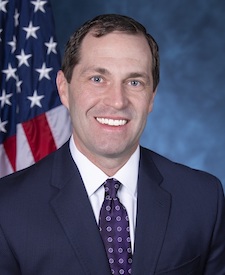
Jason Crow
D-CO | Primary Sponsor

Legislative Progress
IntroducedMr. Crow (for himself and Mr. Crank) introduced the following …
Stakeholder Effects
cui bono?How this legislation distributes effects. Mention counts reflect frequency, not effect magnitude.
Commercial off-the-shelf medical solution providers, Digital health technology companies developing AI-based TBI treatment solutions
Artificial intelligence developers and machine learning companies
Bill Structure & Actor Mappings
Who is "The Secretary" in each section?
- "the_secretary"
- → Secretary of Defense
Key Definitions
Terms defined in this bill
Not explicitly defined in bill text, but context indicates AI-based capabilities and commercial off-the-shelf solutions for treating traumatic brain injuries
Group composed of Armed Forces members, DoD civilian employees, and non-federal experts with expertise in TBI clinical care, biomedical informatics, engineering, or implementation science
We use a combination of our own taxonomy and classification in addition to large language models to assess meaning and potential beneficiaries. High confidence means strong textual evidence. Always verify with the original bill text.
Learn more about our methodology