To amend title XVIII of the Social Security Act to extend acute hospital care at home waiver flexibilities, and to require an additional study and report on such flexibilities.
Sponsors




Legislative Progress
Passed HouseReceived; read twice and referred to the Committee on Finance
Passed House (inferred from eh version)
Additional sponsors: Ms. Tenney, Mr. Carey, Mr. Simpson, Mr. Smith …
Reported with an amendment, committed to the Committee of the …
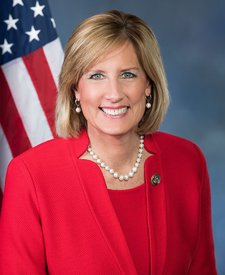
Mr. Buchanan (for himself, Mr. Smucker, and Mr. Evans of …
Summary
What This Bill Does
The Hospital Inpatient Services Modernization Act extends the "Acute Hospital Care at Home" waiver program for five years, from 2025 to 2030. This program, started during COVID-19, allows Medicare to pay for hospital-level acute care delivered in patients' homes rather than in traditional hospital beds. The bill also requires HHS to conduct a detailed study comparing the quality, costs, and outcomes of home-based versus traditional hospital care.
Who Benefits and How
Hospitals benefit by being able to continue offering at-home acute care, which can free up physical beds, reduce overhead costs, and expand their patient capacity without building new facilities.
Medicare patients who prefer recovering at home can continue accessing this option. This may be especially valuable for elderly patients, those with mobility issues, or patients in rural areas far from hospitals.
Home health companies and telehealth providers benefit from continued demand for remote monitoring technology, nursing visits, and other at-home care services.
Who Bears the Burden and How
Family members and caregivers often take on significant responsibility when hospital care moves to the home, providing support that nurses would handle in a hospital setting.
Hospitals must submit extensive data to HHS comparing costs, staffing, quality metrics, readmission rates, and patient outcomes—a significant reporting burden.
Medicare continues paying for at-home acute services, and the required study will determine whether this model actually reduces costs or maintains quality.
Key Provisions
- Extends the waiver from December 2025 to December 2030, giving hospitals 5 more years to offer at-home acute care
- Requires comprehensive HHS study by September 2028 comparing quality, costs, readmission rates, mortality, and patient experience between home and hospital settings
- Mandates analysis of equity factors including race, income, housing, and dual Medicare-Medicaid eligibility
- Requires comparison of entry pathways between patients entering from the ER versus those transferred from existing hospital stays
- Addresses selection bias by requiring HHS to control for factors that might skew comparisons between home and hospital patients
Evidence Chain:
This summary is derived from the structured analysis below. See "Detailed Analysis" for per-title beneficiaries/burden bearers with clause-level evidence links.
Primary Purpose
Extends the Acute Hospital Care at Home waiver program from 2025 to 2030, allowing Medicare patients to receive hospital-level care in their homes, and requires HHS to conduct a comprehensive study comparing quality, costs, and outcomes between in-home and traditional inpatient hospital care.
Policy Domains
Legislative Strategy
"Extend a COVID-era flexibility that allows hospitals to provide acute care at home, while gathering rigorous data on whether this model delivers equivalent quality at lower cost before making it permanent"
Likely Beneficiaries
- Hospitals participating in Acute Hospital Care at Home programs
- Medicare patients who prefer to recover at home
- Home healthcare companies providing services under the initiative
- Telehealth and remote monitoring technology providers
Likely Burden Bearers
- Hospitals (required to submit detailed cost and quality data)
- Family caregivers (may bear more responsibility for patient care)
- Traditional hospital nursing staff (potential shift in care delivery model)
- Medicare program (continued payment for at-home acute services)
Bill Structure & Actor Mappings
Who is "The Secretary" in each section?
- "the_secretary"
- → Secretary of Health and Human Services
We use a combination of our own taxonomy and classification in addition to large language models to assess meaning and potential beneficiaries. High confidence means strong textual evidence. Always verify with the original bill text.
Learn more about our methodology