SCORE Act
Summary
What This Bill Does
The SCORE Act creates a national framework for college athlete name, image, and likeness rights. It protects student athletes' ability to earn NIL compensation, obtain representation, and enter endorsement contracts while allowing institutions, conferences, and interstate intercollegiate athletic associations to set rules around eligibility, inducements, collectives, contract review, and enforcement. It amends sports-agent law to require written disclosures about whether an athlete agent is registered with the relevant athletic association and to require written consent before an unregistered agent helps a student athlete with an endorsement contract.
The bill imposes requirements on certain institutions, including comprehensive academic support, career counseling, life-skills programs, mental health, nutrition, NIL education, legal and tax access, financial literacy, transfer-process counseling, sexual-violence prevention education, medical care for sports injuries during enrollment and at least three years after graduation or separation, degree-completion support, scholarship protections, and maintenance of varsity sports opportunities. It gives athletic associations authority to regulate NIL agreements and creates liability protection under federal and State antitrust laws for rules adopted under the Act.
The bill also states that student athletes may not be considered employees of an institution, conference, or athletic association solely because they participate on a varsity team or in intercollegiate competition. It requires institutions to disclose student athletic fees and publish how those fees support athletic programs. It preempts State and local laws governing student-athlete compensation, payments, benefits, employment status, eligibility, transfer rules, and related NIL regulation.
Who Benefits and How
Student athletes benefit from federal protection for NIL compensation, endorsement contracts, agent access, scholarship protections, injury care, academic support, degree-completion support, and financial-literacy services. Registered sports agents benefit because their registration status becomes a compliance advantage when representing athletes. NCAA staff, conference compliance offices, and large athletic programs benefit from a uniform federal framework, antitrust liability protection, and preemption of conflicting State laws. Student fee payers benefit from clearer disclosures on how athletic fees are used. Institutions with robust compliance departments benefit from national rules that reduce the current State-by-State NIL patchwork.
Who Bears the Burden and How
Athlete agents who are not registered with an interstate athletic association must make written disclosures and obtain athlete or parent consent before assisting with endorsement contracts. Institutions covered by the support requirements must provide medical, mental-health, academic, career, legal, tax, financial-literacy, transfer, and degree-completion services. State legislatures and State regulators lose authority because conflicting NIL and athlete-compensation laws are preempted. Student athletes who want employment-status claims bear a legal burden because sports participation alone cannot make them employees. Institutions relying on athletic fees must publish more granular fee-use data and may face scrutiny from students and families.
Key Provisions
- Protects student athlete NIL compensation and representation while preserving amateur sports eligibility rules.
- Requires athlete-agent disclosure and written consent rules for endorsement-contract assistance.
- Requires covered institutions to provide academic, career, medical, mental-health, NIL, legal, tax, and degree-completion support.
- Provides antitrust liability protection for athletic association rules adopted under the Act.
- Provides that student athletes are not employees solely because they participate in varsity sports.
- Requires athletic-fee disclosures and public reporting on how fees support intercollegiate athletic programs.
- Preempts conflicting State and local laws governing athlete compensation, employment status, eligibility, and NIL regulation.
Evidence Chain:
This summary is generated from the full bill text using AI analysis. Expand "Detailed Analysis" below for identified beneficiaries/burden bearers with clause-level evidence links.
At a Glance
What This Bill Does
Creates a federal college-athlete name, image, and likeness framework that protects NIL compensation and agent access, imposes institution support requirements, gives athletic associations rulemaking and antitrust protection, declares student athletes are not employees based on sports participation, expands athletic-fee disclosures, and preempts conflicting State NIL and athlete-compensation laws.
Key Policy Areas
Higher Education, Sports Regulation, Consumer Protection, Antitrust, Labor
Primary Purpose
Creates a federal college-athlete name, image, and likeness framework that protects NIL compensation and agent access, imposes institution support requirements, gives athletic associations rulemaking and antitrust protection, declares student athletes are not employees based on sports participation, expands athletic-fee disclosures, and preempts conflicting State NIL and athlete-compensation laws.
Policy Domains
House resolution provisions
Identified Gains
- Student athletes
- Registered sports agents
- NCAA compliance staff
- Athletic conference compliance offices
- Large athletic programs
- Student fee payers
Identified Costs
- Unregistered athlete agents
- Covered institution compliance offices
- State legislatures
- Student athletes seeking employee status
- Institutions relying on athletic fees
- Athletic department reporting staff
Sponsors
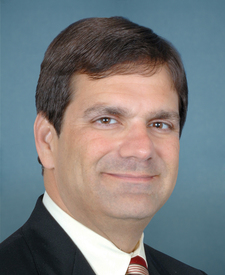
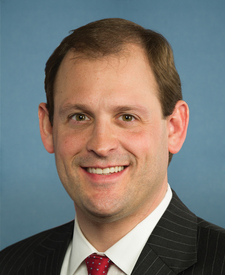
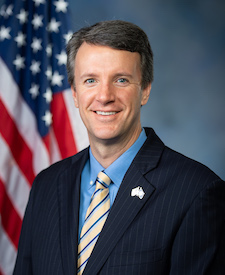
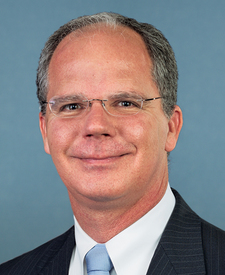
Legislative Progress
ReportedRules Committee Resolution H. Res. 916 Reported to House. Rule …
Supplemental report filed by the Committee on Education and Workforce, …
Supplemental report filed by the Committee on Energy and Commerce, …
Reported (Amended) by the Committee on Energy and Commerce. H. …
Placed on the Union Calendar, Calendar No. 226.
Reported (Amended) by the Committee on Education and Workforce. H. …
Committee Consideration and Mark-up Session Held
Ordered to be Reported (Amended) by the Yeas and Nays: …
Ordered to be Reported in the Nature of a Substitute …
Forwarded by Subcommittee to Full Committee by the Yeas and …
Stakeholder Effects
cui bono?How this legislation distributes effects. Mention counts reflect frequency, not effect magnitude.
Athlete agents and sports management firms, Athletic conferences, NCAA and athletic associations
NCAA and athletic associations, NCAA and athletic conferences, Student athletes face effects in multiple directions
Positive-direction: NCAA and national athletic associations, Student athletes at major programs
Negative-direction: Athlete agents and sports management firms, Athletic conferences, Registered sports agents with athletic associations, Sports agents and NIL deal facilitators, Unregistered sports agents
All institutions with athletic programs, Colleges and universities with athletic programs, Large Division I universities with high-paid coaches
Colleges and universities with athletic programs faces effects in multiple directions
Positive-direction: Non-revenue Olympic sports programs, Smaller Division I schools, Students at universities with major athletic programs, Universities and colleges
Negative-direction: All institutions with athletic programs, Large Division I universities with high-paid coaches, Large Power 5 conference schools, Large athletic programs (coaches over 250000), Large athletic programs (over 50M media revenue), Large universities with high media rights revenue, Universities and colleges with athletic programs
Sports agents representing college athletes
College student athletes, College student athletes at major programs, Student athletes
College student athletes faces effects in multiple directions
Positive-direction: College student athletes at major programs, Student athletes, Student athletes seeking representation, Student athletes seeking to transfer
Negative-direction: Student athletes in states with stronger NIL laws, Student athletes seeking antitrust remedies
Federal Trade Commission, Government Accountability Office, State attorneys general
Healthcare providers serving college athletes, Mental health service providers
Companies seeking athlete endorsements
Bill Structure & Actor Mappings
Who is "The Secretary" in each section?
- "agent"
- → Athlete agent
- "association"
- → Interstate intercollegiate athletic association
- "institution"
- → Institution of higher education
We use a combination of our own taxonomy and classification in addition to large language models to assess meaning and potential beneficiaries. High confidence means strong textual evidence. Always verify with the original bill text.
Learn more about our methodology