Back the Blue Act of 2025
Summary
What This Bill Does
The Back the Blue Act is a broad pro-law-enforcement criminal-justice bill. It creates a federal offense for killing, attempting, or conspiring to kill a U.S. judge, federal law enforcement officer, or federally funded public safety officer, with penalties of 10 years to life, or 30 years to life or death if death results. It creates an assault offense for federally funded state or local law enforcement officers, with tiered penalties ranging from up to one year for other assaults to mandatory minimums of 2, 5, 10, or 20 years depending on bodily injury, substantial bodily injury, serious bodily injury, or deadly weapon use, subject to Attorney General certification. It criminalizes interstate or foreign travel to avoid prosecution or custody for killing, attempting, or conspiring to kill covered officials, with at least 10 years in prison. It adds a federal death-penalty aggravating factor for killing or attempting to kill law enforcement officers, prosecutors, judges, firefighters, or first responders. It limits federal habeas relief for state prisoners convicted of murdering public safety officers or judges, including limits on sentencing claims and death-sentence stays. It authorizes law enforcement officers to carry firearms, including depositing firearms in secure storage at federal facilities, expands LEOSA magazine references and school-zone exceptions, and requires Attorney General regulations within 60 days. It also authorizes grants up to $20 million annually from covered DOJ amounts for fiscal years 2026 through 2030 to promote community trust, transparency, accountability, policy development, technology balance, community partnerships, training, and officer wellness.
Who Benefits and How
Federal law enforcement officers benefit from new federal murder, assault, flight, firearm-carry, and death-penalty protections. Federally funded public safety officers benefit because attacks on them receive new federal penalties and habeas limits. State and local law enforcement agencies benefit from grants for procedural reforms, transparency, accountability, training, community partnerships, and officer wellness. Judges and prosecutors benefit from added penalties and a death-penalty aggravator for covered killings or attempted killings.
Who Bears the Burden and How
Defendants accused of killing covered officers face penalties from 10 years to life, or 30 years to life or death if death results. People assaulting federally funded law enforcement officers face mandatory minimums based on injury level or weapon use. State prisoners convicted of murdering public safety officers or judges face narrower federal habeas review and stay authority. The Attorney General must certify certain assault prosecutions, issue firearm-carry regulations within 60 days, and administer community-trust grants.
Key Provisions
- Creates federal offenses for killing, attempting, conspiring to kill, assaulting, or fleeing prosecution for attacks on covered law enforcement, judges, and public safety officers.
- Adds a federal death-penalty aggravating factor for killing or attempting to kill law enforcement officers, prosecutors, judges, firefighters, or first responders.
- Limits federal habeas relief and death-sentence stays in state cases involving murders of public safety officers or judges.
- Expands law-enforcement firearm-carry authority and authorizes up to $20 million annually through fiscal year 2030 for community trust and officer-wellness grants.
Evidence Chain:
This summary is generated from the full bill text using AI analysis. Expand "Detailed Analysis" below for identified beneficiaries/burden bearers with clause-level evidence links.
At a Glance
What This Bill Does
Creates federal crimes and sentencing rules for killing, assaulting, or fleeing prosecution for attacks on law enforcement, judges, and public safety officers, limits habeas review in officer-murder cases, expands firearm-carry authority, and funds community trust grants up to $20 million annually through 2030.
Key Policy Areas
Law Enforcement, Criminal Justice, Public Safety
Primary Purpose
Creates federal crimes and sentencing rules for killing, assaulting, or fleeing prosecution for attacks on law enforcement, judges, and public safety officers, limits habeas review in officer-murder cases, expands firearm-carry authority, and funds community trust grants up to $20 million annually through 2030.
Policy Domains
Resolution provisions
Identified Gains
- Federal law enforcement officers
- Federally funded public safety officers
- State and local law enforcement agencies
- Judges and prosecutors
Identified Costs
- Defendants accused of killing covered officers
- People assaulting federally funded law enforcement officers
- State prisoners convicted of officer murders
- Attorney General
Sponsors


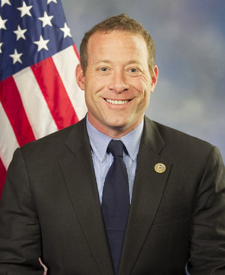


Legislative Progress
In CommitteeMr. Bacon (for himself and Mr. Golden of Maine) introduced …
Referred to the House Committee on the Judiciary.
Introduced in House
Stakeholder Effects
cui bono?How this legislation distributes effects. Mention counts reflect frequency, not effect magnitude.
Defendants accused of killing covered officers, Federal law enforcement officers, People assaulting federally funded law enforcement officers
Positive-direction: Federal law enforcement officers, State and local law enforcement agencies
Negative-direction: Defendants accused of killing covered officers, People assaulting federally funded law enforcement officers
Bill Structure & Actor Mappings
Who is "The Secretary" in each section?
We use a combination of our own taxonomy and classification in addition to large language models to assess meaning and potential beneficiaries. High confidence means strong textual evidence. Always verify with the original bill text.
Learn more about our methodology