Enhancing Detection of Human Trafficking Act
Summary
What This Bill Does
The Enhancing Detection of Human Trafficking Act defines human trafficking by reference to the Trafficking Victims Protection Act. Within 180 days, the Secretary of Labor must implement training and periodic continuing education for Department of Labor employees whose duties call for it. For Wage and Hour Division staff, the Secretary must consider whether employees work in States with significant increases in oppressive child labor. Training may be in-person or virtual and must be tailored to location and professional environment, cover current trends and best practices, provide current information on detecting human trafficking, teach methods for identifying suspected victims and suspected traffickers, and give a clear referral path to the Department of Justice and other authorities. One year after implementation and annually after that, the Secretary must report to the House Education and Workforce Committee and Senate HELP Committee on training effectiveness, completions, referred cases, and how DOJ responses are tracked.
Who Benefits and How
Human trafficking victims benefit because Labor Department employees who encounter workplaces can receive practical training to identify suspected trafficking and refer cases. Wage and Hour Division investigators benefit from training targeted to child-labor hotspots and current trafficking trends. Department of Justice trafficking prosecutors benefit from clearer referrals from Labor personnel. Victim service organizations benefit if referrals identify more victims who need services. Congressional labor committees benefit from annual data on training completion, case referrals, and follow-up processes.
Who Bears the Burden and How
The Department of Labor must design, implement, update, and deliver the training within 180 days. The Secretary of Labor must decide which employees need training and report annually to Congress. Wage and Hour Division offices must spend staff time on continuing education. Department of Justice referral offices must respond to referred cases and provide trackable outcomes. Employers involved in trafficking or oppressive child labor face greater detection risk because trained Labor employees are more likely to spot and refer suspicious conduct.
Key Provisions
- Defines human trafficking by reference to the Trafficking Victims Protection Act.
- Requires Labor Department training and continuing education within 180 days.
- Directs special attention to Wage and Hour Division employees in States with oppressive child-labor increases.
- Requires training on victim identification, suspected trafficker identification, privacy rules, best practices, and referral paths.
- Requires annual congressional reports on training effectiveness, completions, referrals, and DOJ response tracking.
Evidence Chain:
This summary is generated from the full bill text using AI analysis. Expand "Detailed Analysis" below for identified beneficiaries/burden bearers with clause-level evidence links.
At a Glance
What This Bill Does
Requires the Labor Secretary within 180 days to train Department of Labor employees, especially Wage and Hour Division personnel in States with oppressive child-labor increases, to identify suspected human trafficking and refer potential cases to the Department of Justice or other authorities, with annual reports to Congress.
Key Policy Areas
Labor, Human Trafficking, Law Enforcement
Primary Purpose
Requires the Labor Secretary within 180 days to train Department of Labor employees, especially Wage and Hour Division personnel in States with oppressive child-labor increases, to identify suspected human trafficking and refer potential cases to the Department of Justice or other authorities, with annual reports to Congress.
Policy Domains
House resolution provisions
Identified Gains
- Human trafficking victims
- Wage and Hour Division investigators
- Department of Justice trafficking prosecutors
- Victim service organizations
- Congressional labor committees
Identified Costs
- Department of Labor
- Secretary of Labor
- Wage and Hour Division offices
- Department of Justice referral offices
- Employers involved in trafficking
Sponsors
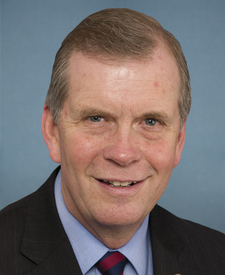
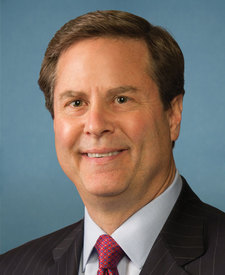
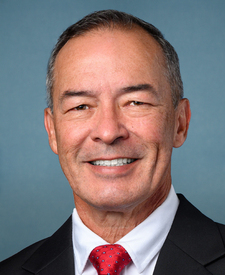
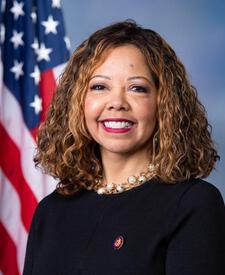
Legislative Progress
ReportedReceived in the Senate.
Motion to reconsider laid on the table Agreed to without …
On motion to suspend the rules and pass the bill, …
Passed/agreed to in House: On motion to suspend the rules …
DEBATE - The House proceeded with forty minutes of debate …
Considered under suspension of the rules. (consideration: CR H2363-2364)
Mr. Walberg moved to suspend the rules and pass the …
Placed on the Union Calendar, Calendar No. 433.
Reported (Amended) by the Committee on Education and Workforce. H. …
Additional sponsors: Mr. Norcross and Mr. Moylan
Stakeholder Effects
cui bono?How this legislation distributes effects. Mention counts reflect frequency, not effect magnitude.
Congressional labor committees, Department of Justice referral offices, Department of Labor training offices
Positive-direction: Congressional labor committees
Negative-direction: Department of Justice referral offices, Department of Labor training offices, Secretary of Labor
Employers involved in trafficking, Wage and Hour Division investigators
Bill Structure & Actor Mappings
Who is "The Secretary" in each section?
- "doj"
- → Department of Justice
- "dol"
- → Department of Labor
- "secretary"
- → Secretary of Labor
We use a combination of our own taxonomy and classification in addition to large language models to assess meaning and potential beneficiaries. High confidence means strong textual evidence. Always verify with the original bill text.
Learn more about our methodology