Protecting Patient Access to Cancer and Complex Therapies Act
Summary
What This Bill Does
The Protecting Patient Access to Cancer and Complex Therapies Act creates a rebate mechanism for Medicare Part B selected drugs and biologics subject to maximum fair price negotiation. For each calendar quarter during the price applicability period, HHS must report to each manufacturer the units furnished under Part B, the payment and coinsurance difference between ASP+6 and MFP+6 calculations, and the rebate amount. Manufacturers must pay the rebate within 30 days after receiving the Secretary's information, in addition to other Medicare or Medicaid rebates. For patients, coinsurance for selected drugs with a rebate is set at the MFP+6 coinsurance amount, or the lower applicable inflation-rebate coinsurance amount if that is less. Rebates are deposited in the Federal Supplementary Medical Insurance Trust Fund, civil money penalties apply for failure to comply, and the bill clarifies that manufacturers provide maximum fair price value for Part B drugs through the rebate rather than direct MFP sales.
Who Benefits and How
Medicare Part B cancer patients benefit because selected-drug coinsurance can be reduced from ASP+6 levels to MFP+6 levels. Patients receiving complex Part B therapies benefit from rebate-backed access to maximum fair price savings without changing provider acquisition workflows. Federal Supplementary Medical Insurance Trust Fund beneficiaries benefit because manufacturer rebates are deposited into the Part B trust fund. Oncology practices benefit if the rebate structure preserves ASP-based payment mechanics while applying negotiated-price savings.
Who Bears the Burden and How
Manufacturers of selected Part B drugs must pay quarterly rebates within 30 days of receiving HHS calculations. The Secretary of Health and Human Services must calculate units, payment differences, coinsurance differences, and rebate amounts each quarter. Drug manufacturers face civil money penalties if they fail to comply with the new rebate requirement. Medicare claims administrators must apply MFP+6 coinsurance and coordinate payment adjustments for selected drugs.
Key Provisions
- Creates a quarterly rebate for Medicare Part B selected drugs subject to maximum fair price negotiation.
- Requires HHS to report units, ASP+6 versus MFP+6 differences, coinsurance differences, and rebate amounts to manufacturers.
- Requires manufacturers to pay rebates within 30 days and deposits amounts in the Federal Supplementary Medical Insurance Trust Fund.
- Reduces beneficiary coinsurance to MFP+6 levels or the lower applicable inflation-rebate coinsurance amount.
Evidence Chain:
This summary is generated from the full bill text using AI analysis. Expand "Detailed Analysis" below for identified beneficiaries/burden bearers with clause-level evidence links.
At a Glance
What This Bill Does
Requires manufacturers of Medicare Part B selected drugs with maximum fair prices to pay quarterly rebates equal to the ASP+6 versus MFP+6 payment and coinsurance differences, lowering coinsurance to MFP+6 levels and depositing rebates in the Part B trust fund.
Key Policy Areas
Medicare, Prescription Drugs, Cancer Treatment
Primary Purpose
Requires manufacturers of Medicare Part B selected drugs with maximum fair prices to pay quarterly rebates equal to the ASP+6 versus MFP+6 payment and coinsurance differences, lowering coinsurance to MFP+6 levels and depositing rebates in the Part B trust fund.
Policy Domains
Resolution provisions
Identified Gains
- Medicare Part B cancer patients
- Patients receiving complex Part B therapies
- Federal Supplementary Medical Insurance Trust Fund beneficiaries
- Oncology practices
Identified Costs
- Manufacturers of selected Part B drugs
- Secretary of Health and Human Services
- Drug manufacturers
- Medicare claims administrators
Sponsors


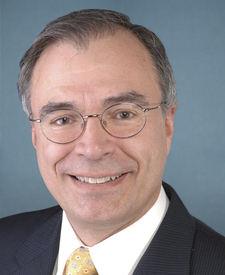
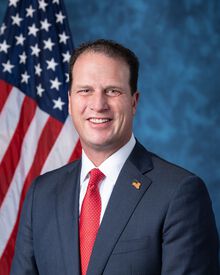

Legislative Progress
In CommitteeMr. Murphy (for himself, Mr. Gray, and Mr. Dunn of …
Referred to the Committee on Energy and Commerce, and in …
Introduced in House
Stakeholder Effects
cui bono?How this legislation distributes effects. Mention counts reflect frequency, not effect magnitude.
Federal Supplementary Medical Insurance Trust Fund beneficiaries, Medicare Part B cancer patients, Patients receiving complex Part B therapies
Bill Structure & Actor Mappings
Who is "The Secretary" in each section?
We use a combination of our own taxonomy and classification in addition to large language models to assess meaning and potential beneficiaries. High confidence means strong textual evidence. Always verify with the original bill text.
Learn more about our methodology