Prioritizing Rural Hospitals Act
Summary
What This Bill Does
The Prioritizing Rural Hospitals Act changes how USDA selects recipients for Community Facilities direct loans and grants under the Consolidated Farm and Rural Development Act from fiscal years 2026 through 2031. USDA must give priority to eligible entities developing health care facilities or mental and behavioral health facilities, including certified community behavioral health clinics. Recipients may use funds for medical supplies, telehealth capabilities and underlying health information systems, staffing needs subject to a 25 percent cap, and renovation or remodeling of closed health care facilities. During the same fiscal years, USDA may not make national reprioritizations within the Community Facilities direct loan and grant programs under the Rural Development Act of 1972.
Who Benefits and How
Rural hospitals benefit because USDA Community Facilities funding must prioritize health care facility development. Certified community behavioral health clinics benefit because mental and behavioral health facilities are explicitly included. Rural patients benefit from support for medical supplies, telehealth capability, health information systems, staffing, and reopened facilities. Closed rural health facilities benefit from eligible renovation or remodeling funding.
Who Bears the Burden and How
The Secretary of Agriculture must apply the health-care priority in Community Facilities selections from fiscal years 2026 through 2031. USDA Rural Development staff cannot make national reprioritizations within the covered loan and grant programs during that period. Grant recipients using funds for staffing must keep staffing costs at or below 25 percent of the loan or grant. Non-health Community Facilities applicants may face lower priority while rural health care projects receive preference.
Key Provisions
- Requires USDA to prioritize Community Facilities loans and grants for rural health care, mental health, and behavioral health facilities from fiscal years 2026 through 2031.
- Includes certified community behavioral health clinics as priority facilities.
- Allows funds for medical supplies, telehealth capability, health information systems, staffing up to 25 percent, and renovation of closed facilities.
- Prohibits national reprioritizations within the covered Community Facilities programs during the same period.
Evidence Chain:
This summary is generated from the full bill text using AI analysis. Expand "Detailed Analysis" below for identified beneficiaries/burden bearers with clause-level evidence links.
At a Glance
What This Bill Does
Requires USDA Community Facilities loans and grants from fiscal years 2026 through 2031 to prioritize rural health, mental health, and behavioral health facilities, while allowing funds for supplies, telehealth, limited staffing, and renovation of closed facilities.
Key Policy Areas
Rural Development, Health Care, USDA Loans
Primary Purpose
Requires USDA Community Facilities loans and grants from fiscal years 2026 through 2031 to prioritize rural health, mental health, and behavioral health facilities, while allowing funds for supplies, telehealth, limited staffing, and renovation of closed facilities.
Policy Domains
Resolution provisions
Identified Gains
- Rural hospitals
- Certified community behavioral health clinics
- Rural patients
- Closed rural health facilities
Identified Costs
- Secretary of Agriculture
- USDA Rural Development staff
- Grant recipients using funds for staffing
- Non-health Community Facilities applicants
Sponsors

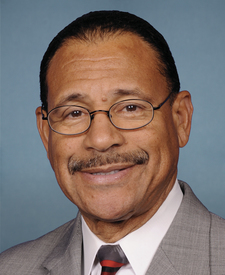
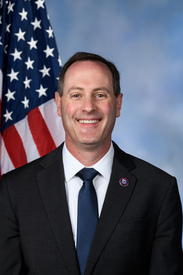
Legislative Progress
In CommitteeMs. Underwood (for herself and Mr. Mann) introduced the following …
Referred to the House Committee on Agriculture.
Introduced in House
Stakeholder Effects
cui bono?How this legislation distributes effects. Mention counts reflect frequency, not effect magnitude.
Certified community behavioral health clinics, Rural hospitals, Rural patients
Secretary of Agriculture, USDA Rural Development staff
Non-health Community Facilities applicants
Bill Structure & Actor Mappings
Who is "The Secretary" in each section?
We use a combination of our own taxonomy and classification in addition to large language models to assess meaning and potential beneficiaries. High confidence means strong textual evidence. Always verify with the original bill text.
Learn more about our methodology