Reproductive Health Travel Fund Act of 2025
Summary
What This Bill Does
The Reproductive Health Travel Fund Act creates a Treasury-administered grant program for organizations that help people travel to abortion care. Treasury must solicit applications within 30 days, may award grants to eligible nonprofit or community-based organizations that provide unbiased and medically and factually accurate help, and must prioritize entities serving people in abortion-ban or severely restricted jurisdictions, people traveling out of their home jurisdiction, or entities with operating or planned access programs. Grant funds can pay for round-trip travel, lodging, meals, childcare, translation, doula care, patient education, information services, and lost wages; up to 15 percent may cover organizational costs such as outreach, infrastructure, websites, staffing, and training. Funds may not pay for abortion procedures. Treasury must report to Congress within 180 days and annually without individually identifiable information. The bill supersedes state, Tribal, territorial, or local laws that prohibit use of funds and bars federal agencies or officials administering the program from cooperating with antiabortion investigations, prosecutions, civil lawsuits, or proceedings related to the program. It authorizes $350 million for each fiscal year 2026 through 2030.
Who Benefits and How
People traveling for abortion care benefit because grants can cover travel, lodging, meals, childcare, translation, doula care, education, and lost wages. Abortion funds benefit because nonprofit and community-based organizations can receive federal grants for logistical support. Patients in abortion-ban states benefit because Treasury must prioritize entities serving people from jurisdictions with bans or severe restrictions. Community-based reproductive health organizations benefit from limited organizational-cost support for outreach, websites, infrastructure, staffing, and training.
Who Bears the Burden and How
The Secretary of the Treasury must solicit applications, award grants, prioritize eligible entities, and submit annual privacy-protected reports. Federal taxpayers fund the $350 million annual authorization from fiscal years 2026 through 2030. State antiabortion officials lose cooperation from federal program staff and cannot block federally funded uses through contrary state law. Grant recipients must avoid using funds for abortion procedures and limit organizational costs to 15 percent.
Key Provisions
- Creates Treasury grants for abortion-related travel expenses and logistical support.
- Provides eligible uses including round-trip travel, lodging, meals, childcare, translation, doula care, patient education, and lost wages.
- Bars grant funds from paying abortion procedure costs and caps organizational costs at 15 percent.
- Authorizes $350 million annually for fiscal years 2026 through 2030, preempts contrary antiabortion funding limits, and bars federal cooperation with antiabortion proceedings.
Evidence Chain:
This summary is generated from the full bill text using AI analysis. Expand "Detailed Analysis" below for identified beneficiaries/burden bearers with clause-level evidence links.
At a Glance
What This Bill Does
Authorizes $350 million annually for Treasury grants to nonprofit and community-based abortion funds for travel, lodging, meals, childcare, translation, doula care, patient education, and lost wages, while barring use for abortion procedures.
Key Policy Areas
Reproductive Health, Grants, Travel Support
Primary Purpose
Authorizes $350 million annually for Treasury grants to nonprofit and community-based abortion funds for travel, lodging, meals, childcare, translation, doula care, patient education, and lost wages, while barring use for abortion procedures.
Policy Domains
Resolution provisions
Identified Gains
- People traveling for abortion care
- Abortion funds
- Patients in abortion-ban states
- Community-based reproductive health organizations
Identified Costs
- Secretary of the Treasury
- Federal taxpayers
- State antiabortion officials
- Grant recipients
Sponsors
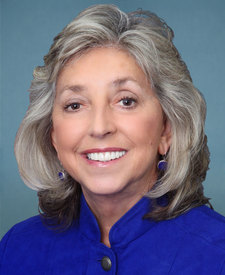
Legislative Progress
In CommitteeMs. Strickland (for herself, Mrs. Fletcher, Mr. Smith of Washington, …
Referred to the House Committee on Energy and Commerce.
Introduced in House
Stakeholder Effects
cui bono?How this legislation distributes effects. Mention counts reflect frequency, not effect magnitude.
Abortion funds, Patients in abortion-ban states, People traveling for abortion care
Secretary of the Treasury, State antiabortion officials
Bill Structure & Actor Mappings
Who is "The Secretary" in each section?
We use a combination of our own taxonomy and classification in addition to large language models to assess meaning and potential beneficiaries. High confidence means strong textual evidence. Always verify with the original bill text.
Learn more about our methodology