Enhancing Safety for Animals Act of 2025
Summary
What This Bill Does
This bill removes the Mexican wolf from Endangered Species Act protected-species lists by act of Congress rather than through the usual Fish and Wildlife Service scientific review process. The findings cite nine consecutive years of population growth, at least 286 wild Mexican wolves and about 350 captive Mexican wolves at the end of 2024, livestock depredation, safety risks to people and pets, reduced recreational opportunities, and burdens on residents in the Mexican Wolf Experimental Population Area.
The operative language requires the Interior Secretary to remove the Mexican wolf from ESA threatened and endangered species lists. It nullifies two existing Fish and Wildlife Service rules: the 2015 endangered status rule for the Mexican wolf and the 2022 experimental population rule. It also says that future Mexican wolf recovery plans may not consider Mexican wolf population status in Mexico.
Who Benefits and How
Cattle ranchers in the Mexican Wolf Experimental Population Area benefit because federal ESA restrictions and recovery rules tied to wolf-livestock conflict would be lifted. Livestock producers in Arizona and New Mexico benefit from reduced federal constraints on depredation response and land-use decisions. State wildlife management agencies benefit from more room to manage wolf conflicts without federal recovery-plan constraints tied to Mexico. Hunting outfitters and outdoor recreation businesses benefit if reduced wolf protection lowers predation pressure on game animals or eases access restrictions.
Who Bears the Burden and How
The U.S. Fish and Wildlife Service loses authority to manage the Mexican wolf through ESA listing rules and recovery planning. Wildlife conservation organizations lose a key legal tool for protecting a subspecies that the current record describes as still subject to recovery planning. Mexican wolf populations face higher risk if federal protections, experimental population management rules, and Mexico-linked recovery planning are removed. Environmental litigators and public-interest scientists bear a policy burden because the bill bypasses ordinary administrative scientific review.
Key Provisions
- Requires the Interior Secretary to remove the Mexican wolf from ESA threatened and endangered species lists.
- Nullifies the 2015 Fish and Wildlife Service endangered status rule for the Mexican wolf.
- Nullifies the 2022 Fish and Wildlife Service experimental population rule for Mexican wolves.
- Prohibits future Mexican wolf recovery plans from considering population status in Mexico.
Evidence Chain:
This summary is generated from the full bill text using AI analysis. Expand "Detailed Analysis" below for identified beneficiaries/burden bearers with clause-level evidence links.
At a Glance
What This Bill Does
Legislatively delists the Mexican wolf from Endangered Species Act threatened and endangered lists, nullifies the 2015 Mexican wolf listing rule and the 2022 experimental population rule, and bars future recovery plans from considering Mexican wolf population status in Mexico.
Key Policy Areas
Wildlife Management, Agriculture, Endangered Species, Public Lands
Primary Purpose
Legislatively delists the Mexican wolf from Endangered Species Act threatened and endangered lists, nullifies the 2015 Mexican wolf listing rule and the 2022 experimental population rule, and bars future recovery plans from considering Mexican wolf population status in Mexico.
Policy Domains
House resolution provisions
Identified Gains
- Cattle ranchers in the Mexican Wolf Experimental Population Area
- Livestock producers in Arizona
- Livestock producers in New Mexico
- State wildlife management agencies
- Hunting outfitters
Identified Costs
- U.S. Fish and Wildlife Service recovery staff
- Wildlife conservation organizations
- Mexican wolf populations
- Environmental litigators
- Public-interest scientists
Sponsors



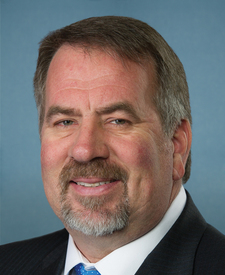

Legislative Progress
ReportedOrdered to be Reported in the Nature of a Substitute …
Committee Consideration and Mark-up Session Held
Subcommittee on Water, Wildlife and Fisheries Discharged
Subcommittee Hearings Held
Referred to the Subcommittee on Water, Wildlife and Fisheries.
Introduced in House
Referred to the House Committee on Natural Resources.
Mr. Gosar (for himself, Mr. Biggs of Arizona, Ms. Boebert, …
Stakeholder Effects
cui bono?How this legislation distributes effects. Mention counts reflect frequency, not effect magnitude.
Cattle ranchers in the Mexican Wolf Experimental Population Area, Livestock producers in Arizona, Livestock producers in New Mexico
Mexican wolf populations, Wildlife conservation organizations
Bill Structure & Actor Mappings
Who is "The Secretary" in each section?
- "service"
- → United States Fish and Wildlife Service
- "secretary"
- → Secretary of the Interior
We use a combination of our own taxonomy and classification in addition to large language models to assess meaning and potential beneficiaries. High confidence means strong textual evidence. Always verify with the original bill text.
Learn more about our methodology