Expanding Access to Mental Health Services in Schools Act of 2025
Summary
What This Bill Does
The Expanding Access to Mental Health Services in Schools Act creates a federal grant program to increase school-based mental health professionals in high-need local educational agencies. Eligible agencies include high-need LEAs, educational service agencies acting for high-need LEAs, and state educational agencies. A high-need LEA must be in the highest 15 percent of the state by number or percentage of children counted under Title I and must miss at least two staffing ratios: 1 counselor per 250 students, 1 psychologist per 500 students, and 1 social worker per 250 students. Grants last up to five years and may be renewed for up to two years; ED must reserve up to 2 percent for administration, technical assistance, and data collection, 1 percent for Bureau of Indian Education schools, and 1 percent for outlying areas. At least 50 percent of remaining funds must go to high-quality applications from high-need LEAs. Grant uses include hiring providers, evidence-based school-climate practices, salary stipends, relocation benefits, student loan repayment, retention incentives, professional development, induction, mentorship, and peer support. Recipients must provide at least a 25 percent nonfederal match, supplement rather than supplant existing funds, and comply with FERPA, IDEA, and ESEA section 4001 rules.
Who Benefits and How
Students in high-need school districts benefit because grants can hire more school counselors, psychologists, social workers, and other mental health providers. High-need local educational agencies benefit from competitive grants targeted at staffing shortages and provider diversity. Bureau of Indian Education schools benefit from a dedicated 1 percent reservation for the grant program. School-based mental health providers benefit from salary stipends, relocation benefits, student loan repayment, professional development, mentorship, and retention supports.
Who Bears the Burden and How
The Department of Education must run the grant competition, reservations, technical assistance, data collection, and compliance oversight. State educational agencies applying for grants must document student mental health needs, provider shortages, hiring plans, and legal compliance. Grant recipients must contribute at least a 25 percent nonfederal match and avoid supplanting existing funds. Federal taxpayers fund the program through such sums as may be necessary for fiscal years 2026 through 2030.
Key Provisions
- Creates a competitive school-based mental health services grant program for eligible high-need education agencies.
- Defines high-need local educational agencies using Title I child counts and counselor, psychologist, and social-worker staffing ratios.
- Requires grant uses to support hiring, recruiting, retaining, diversifying, training, mentoring, and supporting school-based mental health providers.
- Reserves funds for administration, Bureau of Indian Education schools, outlying areas, and high-quality high-need LEA applications while requiring a 25 percent nonfederal match.
Evidence Chain:
This summary is generated from the full bill text using AI analysis. Expand "Detailed Analysis" below for identified beneficiaries/burden bearers with clause-level evidence links.
At a Glance
What This Bill Does
Creates a competitive school-based mental health services grant program for high-need education agencies to recruit, hire, retain, and diversify school counselors, psychologists, social workers, and other providers.
Key Policy Areas
Education, Mental Health, School Workforce
Primary Purpose
Creates a competitive school-based mental health services grant program for high-need education agencies to recruit, hire, retain, and diversify school counselors, psychologists, social workers, and other providers.
Policy Domains
Resolution provisions
Identified Gains
- Students in high-need school districts
- High-need local educational agencies
- Bureau of Indian Education schools
- School-based mental health providers
Identified Costs
- Department of Education
- State educational agencies applying for grants
- Grant recipients
- Federal taxpayers
Sponsors
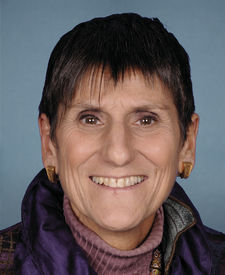
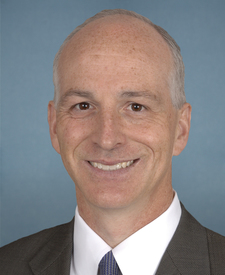

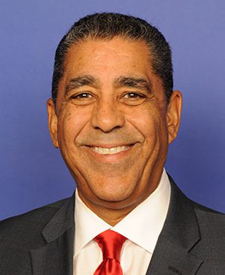
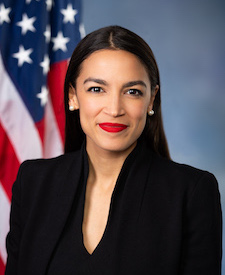
Legislative Progress
In CommitteeMs. DeLauro (for herself, Mrs. Hayes, Mr. Fitzpatrick, Mr. Amo, …
Referred to the House Committee on Education and Workforce.
Introduced in House
Stakeholder Effects
cui bono?How this legislation distributes effects. Mention counts reflect frequency, not effect magnitude.
Bureau of Indian Education schools, Grant recipients, High-need local educational agencies
Positive-direction: Bureau of Indian Education schools, High-need local educational agencies
Negative-direction: Grant recipients
Bill Structure & Actor Mappings
Who is "The Secretary" in each section?
We use a combination of our own taxonomy and classification in addition to large language models to assess meaning and potential beneficiaries. High confidence means strong textual evidence. Always verify with the original bill text.
Learn more about our methodology