Extreme Risk Protection Order Expansion Act of 2025
Summary
What This Bill Does
The Extreme Risk Protection Order Expansion Act builds a national framework around extreme risk protection orders. It authorizes the Attorney General to make grants to states, Indian Tribes, local governments, and other eligible entities in jurisdictions with compliant ERPO laws. Grant money can support law enforcement and court capacity, personnel, training, technical assistance, data collection, protocols, forms, firearm removal and storage, public awareness, and community-based education, with 25 to 70 percent of awards dedicated to law-enforcement training. Required training must address bias, domestic-violence safety planning, mental illness and crisis de-escalation, and referrals to health care, mental health, substance-abuse, legal, employment, housing, case-management, veterans, and disability services. The bill also creates federal firearm-sale and possession prohibitions for people subject to qualifying court orders issued after notice and hearing with a finding of danger to self or others; authorizes ERPO records in national crime information databases; updates NICS references; requires state and Tribal ERPOs to receive full faith and credit; recognizes Tribal civil jurisdiction to issue and enforce ERPOs in Indian country; includes severability; and takes effect 180 days after enactment.
Who Benefits and How
States with compliant ERPO laws benefit because they can receive grants for courts, law enforcement, training, data systems, protocols, and firearm storage. Indian Tribes benefit from grant eligibility, national database access, full faith and credit, and recognized Tribal civil jurisdiction over ERPOs. Families seeking crisis firearm removal benefit because ERPO systems can be better funded, trained, and publicized. Domestic violence survivors benefit because required training covers safety planning when ERPOs overlap with domestic violence.
Who Bears the Burden and How
People subject to qualifying ERPO court orders lose firearm purchase, possession, receipt, custody, and control rights while the order applies. Federal firearms licensees must deny transfers to people covered by qualifying ERPO prohibitions. State court systems must provide notice, hearing, records, and due-process procedures for orders used in federal prohibitions. The Attorney General must administer grants and national identification-record changes.
Key Provisions
- Authorizes ERPO grants for eligible states, Indian Tribes, local governments, and other entities with compliant laws.
- Requires 25 to 70 percent of grant funds to support law-enforcement training on safe, impartial, effective, and equitable ERPO administration.
- Creates federal firearm prohibitions for people under qualifying ERPO court orders and adds ERPO records to national crime information databases.
- Requires full faith and credit for state and Tribal ERPOs, recognizes Tribal civil jurisdiction, preserves severability, and delays effectiveness for 180 days.
Evidence Chain:
This summary is generated from the full bill text using AI analysis. Expand "Detailed Analysis" below for identified beneficiaries/burden bearers with clause-level evidence links.
At a Glance
What This Bill Does
Expands extreme risk protection order grants, creates federal firearm prohibitions for people under qualifying ERPO court orders, adds ERPO records to national crime databases, requires full faith and credit, and takes effect after 180 days.
Key Policy Areas
Gun Violence, Extreme Risk Protection Orders, Public Safety
Primary Purpose
Expands extreme risk protection order grants, creates federal firearm prohibitions for people under qualifying ERPO court orders, adds ERPO records to national crime databases, requires full faith and credit, and takes effect after 180 days.
Policy Domains
Resolution provisions
Identified Gains
- States with compliant ERPO laws
- Indian Tribes
- Families seeking crisis firearm removal
- Domestic violence survivors
Identified Costs
- People subject to qualifying ERPO court orders
- Federal firearms licensees
- State court systems
- Attorney General
Sponsors
Legislative Progress
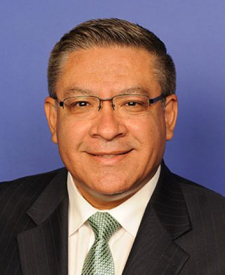
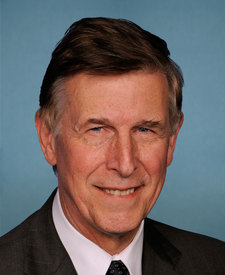
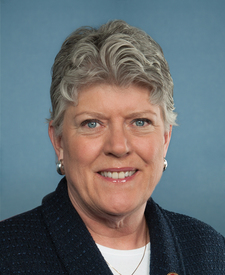
In CommitteeMr. Carbajal (for himself, Ms. Brownley, and Mr. Beyer) introduced …
Referred to the House Committee on the Judiciary.
Introduced in House
Stakeholder Effects
cui bono?How this legislation distributes effects. Mention counts reflect frequency, not effect magnitude.
Attorney General, Indian Tribes, States with compliant ERPO laws
Positive-direction: Indian Tribes, States with compliant ERPO laws
Negative-direction: Attorney General
Domestic violence survivors, Families seeking crisis firearm removal
Federal firearms licensees, People subject to qualifying ERPO court orders
Bill Structure & Actor Mappings
Who is "The Secretary" in each section?
We use a combination of our own taxonomy and classification in addition to large language models to assess meaning and potential beneficiaries. High confidence means strong textual evidence. Always verify with the original bill text.
Learn more about our methodology