To maintain the free flow of information to the public by establishing appropriate limits on the federally compelled disclosure of information obtained as part of engaging in journalism, and for other purposes.
Analysis under review: This bill has generated analysis that may be too generic or incomplete. Clause-level evidence remains available below.
Summary
What This Bill Does
This bill, To maintain the free flow of information to the public by establishing appropriate limits on the federally compelled disclosure of information obtained as part of engaging in journalism, and for other purposes., changes federal law or congressional policy affecting technology companies and users of digital services. The main policy domain is Technology, Criminal Justice, Foreign Policy.
Who Benefits and How
technology companies and users of digital services may benefit from new authority, funding, eligibility, regulatory clarity, or reduced risk created by the bill.
Who Bears the Burden and How
federal implementing agencies, technology companies and users of digital services may take on implementation duties, reporting obligations, compliance costs, or oversight responsibilities.
Key Provisions
- Section HE31DD2605F9E43689CDCB9877F69A620: 1. Short title This Act may be cited as the Protect Reporters from Exploitative State Spying Act or the PRESS Act.
- Section HFD28202794734C01A6363239CED472C5: 2. Definitions In this Act: The term covered journalist means a person who regularly gathers, prepares, collects, photographs, records, writes, edits, reports,...
- Section H31E0D7D92DAF47ECB2133B9525274920: 3. Limits on compelled disclosure from covered journalists In any matter arising under Federal law, a Federal entity may not compel a covered journalist to...
- Section H579E1928042848519015E5376DF872D4: 4. Limits on compelled disclosure from covered service providers In any matter arising under Federal law, a Federal entity may not compel a covered service...
- Section H23085C3C84FA4304977E6FD417DF57D6: 5. Limitation on content of information The content of any testimony, document, or protected information that is compelled under sections 3 or 4 shall— not be...
Evidence Chain:
This summary is generated from the full bill text using AI analysis. Expand "Detailed Analysis" below for identified beneficiaries/burden bearers.
At a Glance
What This Bill Does
This bill, To maintain the free flow of information to the public by establishing appropriate limits on the federally compelled disclosure of information obtained as part of engaging in journalism, and for other purposes., changes federal law or congressional policy affecting technology companies and users of digital services.
Key Policy Areas
Technology, Criminal Justice, Foreign Policy
Primary Purpose
This bill, To maintain the free flow of information to the public by establishing appropriate limits on the federally compelled disclosure of information obtained as part of engaging in journalism, and for other purposes., changes federal law or congressional policy affecting technology companies and users of digital services.
Policy Domains
Whole bill
Identified Gains
Contextual inference, no direct clause citation- technology companies and users of digital services
Contextual inference, no direct clause citation
Identified Costs
Contextual inference, no direct clause citation- federal implementing agencies
- technology companies and users of digital services
Contextual inference, no direct clause citation
Sponsors


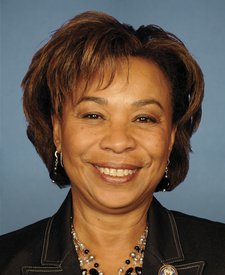


Legislative Progress
In CommitteeReceived; read twice and referred to the Committee on the …
Additional sponsors: Mr. Fry, Ms. Lee of California, Mr. Armstrong, …
Committed to the Committee of the Whole House on the …
Mr. Kiley (for himself, Mr. Raskin, Mr. Issa, Mr. Lieu, …
Impact analysis is available but no clear stakeholder effects identified. View clause-level analysis →
Bill Structure & Actor Mappings
Who is "The Secretary" in each section?
- "federal_implementing_agencies"
- → Federal agencies assigned duties by the bill
We use a combination of our own taxonomy and classification in addition to large language models to assess meaning and potential beneficiaries. High confidence means strong textual evidence. Always verify with the original bill text.
Learn more about our methodology