Legislative Branch Appropriations Act, 2026
Summary
What This Bill Does
This is the fiscal year 2026 Legislative Branch appropriations bill. It funds Congress and legislative-branch support offices, then layers on operational restrictions for House allowances, Capitol Police governance, cybersecurity assistance to the House, Library of Congress reimbursable activity authority, Government Accountability Office impoundment litigation, Architect of the Capitol contractor payments, guided Capitol tours, technology procurement, DEI spending, religious-belief protections, vehicle procurement, and DACA employment.
The House-specific provisions make Members' Representational Allowances available only for fiscal year 2026, send unused amounts to deficit reduction or debt reduction, cap most MRA vehicle leases at $1,000 per month, and require federal cybersecurity assistance to the House to protect privileged House and Member information. The bill bars House offices from buying covered information technology equipment from entities tied to Chinese military, Treasury, Commerce, Homeland Security forced-labor, or related lists. It also changes Capitol Police assistant and deputy chief reporting, service, and approval rules by giving the Chief of the Capitol Police and Capitol Police Board more control.
The general provisions restrict legislative-branch spending. GAO may not use funds for an impoundment-control civil action unless Congress authorizes the Comptroller General by concurrent resolution. Architect of the Capitol funds cannot pay incentive awards to contractors behind schedule or over budget unless the delays are justified. Guided Capitol tours led by congressional employees and interns cannot be eliminated or restricted except through Capitol Visitor Center regulations or temporary security decisions. Legislative-branch computer networks must block pornography except for law-enforcement or official government uses. Procurement funds cannot buy covered telecommunications systems using prohibited Chinese equipment or services, and vehicle funds cannot buy vehicles from PRC-owned or section 1260H-listed entities such as BYD, Geely, or CATL. The bill also bars funds for DEI training it defines as divisive, protects people and organizations with traditional-marriage religious or moral beliefs from federally funded discriminatory actions, and allows DACA-authorized employees to be paid with funds under the Act.
Who Benefits and How
Legislative Branch agencies and offices benefit from annual fiscal year 2026 appropriations and account authority. U.S. and allied technology manufacturers, telecommunications providers, vehicle manufacturers, and battery suppliers benefit from procurement restrictions that block listed Chinese competitors from congressional markets. House information-security officials benefit from rules requiring federal cybersecurity helpers to minimize spread of privileged House and Member information. Capitol Police Board members benefit from approval authority over Deputy Chief and Assistant Chief appointments. Capitol visitors and congressional offices benefit from protection for Member-led and staff-led tours. Individuals with traditional-marriage religious beliefs and religious organizations opposing same-sex marriage benefit from a funding rider that protects tax, grant, contract, license, accreditation, employment, and federal-benefit treatment. DACA recipients benefit because legislative-branch entities may use appropriated funds to pay employees with employment authorization documents.
Who Bears the Burden and How
House administrative staff must track MRA fiscal-year availability, vehicle lease caps, unused-balance transfers, and Chinese technology restrictions. Federal cybersecurity agencies assisting the House must apply minimization procedures and respect separation-of-powers limits. Chinese technology, telecommunications, vehicle, and battery manufacturers lose access to legislative-branch procurement when they are PRC-controlled or listed under the named federal lists. Capitol Police leadership must operate under new board-approval and service-at-pleasure rules. GAO cannot bring covered impoundment litigation without a concurrent resolution. Architect of the Capitol contracting officers must withhold incentive or award payments from late or over-budget contractors unless statutory exceptions apply. Legislative Branch IT departments must maintain pornography filtering. DEI training providers and consultants lose funding opportunities. Federal enforcement agencies must avoid using funds for the bill's defined discriminatory actions against protected religious or moral-belief claimants.
Key Provisions
- Requires unused fiscal year 2026 Members' Representational Allowance balances to be deposited in Treasury for deficit or debt reduction.
- Limits most House MRA vehicle lease payments to $1,000 per month.
- Requires federal cybersecurity assistance to the House to protect privileged House and Member information through minimization procedures.
- Prohibits House covered IT purchases from entities on specified Chinese military, Treasury, Commerce, Homeland Security, or related lists.
- Modifies Capitol Police Deputy Chief and Assistant Chief appointment, reporting, approval, and service-at-pleasure rules.
- Bars GAO from funding specified impoundment-control litigation unless Congress authorizes the Comptroller General by concurrent resolution.
- Prohibits Architect of the Capitol incentive payments to contractors behind schedule or over budget unless statutory exceptions apply.
- Requires legislative-branch computer networks to block pornography, with law-enforcement and official-government exceptions.
- Prohibits covered Chinese telecommunications and vehicle procurement and protects DACA-authorized legislative-branch employment.
Evidence Chain:
This summary is generated from the full bill text using AI analysis. Expand "Detailed Analysis" below for identified beneficiaries/burden bearers with clause-level evidence links.
At a Glance
What This Bill Does
Appropriates fiscal year 2026 funding for the Legislative Branch and adds policy riders governing House allowances, Capitol Police leadership, legislative-branch cybersecurity, Chinese technology and vehicle procurement, GAO impoundment litigation, guided Capitol tours, pornography filtering, DEI funding, religious-belief protections, DACA employment, and Legislative Branch fund availability.
Key Policy Areas
Appropriations, Legislative Branch, Government Operations, Technology Procurement, Civil Rights
Primary Purpose
Appropriates fiscal year 2026 funding for the Legislative Branch and adds policy riders governing House allowances, Capitol Police leadership, legislative-branch cybersecurity, Chinese technology and vehicle procurement, GAO impoundment litigation, guided Capitol tours, pornography filtering, DEI funding, religious-belief protections, DACA employment, and Legislative Branch fund availability.
Policy Domains
House resolution provisions
Identified Gains
- Legislative Branch agencies
- House information-security officials
- U.S. technology manufacturers
- U.S. telecommunications providers
- U.S. vehicle manufacturers
- Capitol Police Board members
- Capitol visitors
- Religious organizations opposing same-sex marriage
- DACA recipients
Identified Costs
- House administrative staff
- Federal cybersecurity agencies
- Chinese technology companies
- Chinese telecommunications companies
- Chinese vehicle manufacturers
- Government Accountability Office litigators
- Architect of the Capitol contracting officers
- DEI training providers
- Federal enforcement agencies
Legislative Progress
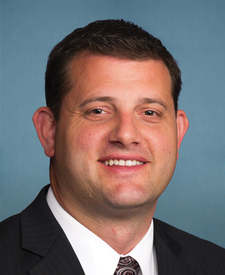
ReportedMr. Valadao, from the Committee on Appropriations, reported the following …
Placed on the Union Calendar, Calendar No. 144.
The House Committee on Appropriations reported an original measure, H. …
Stakeholder Effects
cui bono?How this legislation distributes effects. Mention counts reflect frequency, not effect magnitude.
Architect of the Capitol, Capitol Police Board, Capitol Police leadership
Members of the House of Representatives faces effects in multiple directions
Positive-direction: Capitol Police Board, Executive Branch, House of Representatives, Legislative Branch agencies and offices, Legislative branch hiring offices
Negative-direction: Architect of the Capitol, Capitol Police leadership, Federal cybersecurity agencies (NSA, CISA, etc.), Federal enforcement agencies, Government Accountability Office, House IT procurement offices, Legislative Branch Financial Managers Council members, Legislative branch HR departments, Legislative branch IT departments, Legislative branch agencies, Library of Congress, Members of Congress and staff
Chinese technology companies (Huawei, ZTE, etc.), Chinese vehicle and battery manufacturers, U.S. and allied technology manufacturers
Positive-direction: U.S. and allied technology manufacturers, U.S. and allied vehicle manufacturers
Negative-direction: Chinese technology companies (Huawei, ZTE, etc.), Chinese vehicle and battery manufacturers
Capitol visitors, DACA recipients, Individuals with traditional marriage beliefs
Chinese telecommunications companies, U.S. and allied telecommunications providers
Positive-direction: U.S. and allied telecommunications providers
Negative-direction: Chinese telecommunications companies
Government contractors working on Capitol projects
Bill Structure & Actor Mappings
Who is "The Secretary" in each section?
- "cao"
- → Chief Administrative Officer of the House of Representatives
- "gao"
- → Government Accountability Office
- "library"
- → Library of Congress
- "architect"
- → Architect of the Capitol
- "secretary"
- → Secretary of the Treasury
- "capitol_police_board"
- → Capitol Police Board
We use a combination of our own taxonomy and classification in addition to large language models to assess meaning and potential beneficiaries. High confidence means strong textual evidence. Always verify with the original bill text.
Learn more about our methodology