GLOBE Act of 2025
Summary
What This Bill Does
The GLOBE Act is a broad foreign-policy and immigration bill for LGBTQI rights. It adds LGBTQI criminalization, discrimination, and violence to Foreign Assistance Act human-rights reporting, requires posts to gather incident and response information, and tells regional bureaus to include diplomatic strategies against bias-motivated violence. It requires the President to publish and update sanctions lists for foreign persons responsible for torture, prolonged detention, disappearances, or other flagrant life, liberty, or security abuses based on sexual orientation, gender identity, or sex characteristics. It directs State and USAID to plan decriminalization strategies, DOJ overseas prosecutorial programs, trial monitoring, and exchange programs. It creates a Global Equality Fund for grants, emergency help, and technical assistance to civil-society organizations and human-rights defenders, builds an LGBTQI Global Development Partnership, and requires PEPFAR mechanisms, partner training, and reports on condoms used as criminal evidence, partner notification, index testing, and Mexico City Policy effects. It deems sexual-orientation or gender-identity persecution to be persecution based on membership in a particular social group, repeals the one-year asylum filing deadline, adds asylum and refugee reporting, expands marriage to include permanent partnerships for immigration purposes, permits sex-designation self-selection including X on State Department identity documents, clarifies citizenship transmission for children born abroad through assisted reproductive technology without a biological-connection requirement when legal parentage is recognized, promotes LGBTQI inclusion in international organizations, and protects LGBTQI U.S. diplomatic employees and families in overseas postings.
Who Benefits and How
LGBTQI people abroad benefit because U.S. human-rights reports, diplomacy, sanctions, foreign assistance, and PEPFAR programs must address violence and discrimination against them. LGBTQI human rights defenders benefit from the Global Equality Fund, emergency assistance, technical assistance, and development partnerships. LGBTQI asylum seekers benefit because sexual-orientation or gender-identity persecution is deemed membership in a particular social group and the one-year filing deadline is repealed. LGBTQI U.S. diplomatic employees benefit from visa-accreditation efforts, post information, school nondiscrimination work, and support for family postings.
Who Bears the Burden and How
Foreign officials responsible for LGBTQI human rights abuses face public sanctions lists, visa consequences, and accountability pressure. The Secretary of State must expand reporting, diplomatic strategies, passport rules, citizenship-transmission regulations, multilateral coordination, and diplomatic-family support. USAID administrators must support LGBTQI development partnerships and decriminalization strategies. PEPFAR implementing partners must receive LGBTQI health and human-rights training and report obstacles to equitable implementation.
Key Provisions
- Requires State Department human-rights reports and regional strategies to document LGBTQI criminalization, discrimination, violence, and post responses.
- Creates sanctions-list duties for foreign persons responsible for serious LGBTQI human rights abuses and directs decriminalization strategies abroad.
- Establishes the Global Equality Fund, LGBTQI Global Development Partnership, PEPFAR inclusivity mechanisms, and related global health reports.
- Expands LGBTQI asylum, passport sex-designation self-selection, citizenship-transmission rules for children born abroad, multilateral diplomacy, and diplomatic-family protections.
Evidence Chain:
This summary is generated from the full bill text using AI analysis. Expand "Detailed Analysis" below for identified beneficiaries/burden bearers with clause-level evidence links.
At a Glance
What This Bill Does
Builds a global LGBTQI rights framework through human-rights reporting, sanctions lists, decriminalization strategies, Global Equality Fund assistance, PEPFAR inclusivity, asylum reforms, passport self-selection, citizenship-transmission rules, multilateral diplomacy, and support for LGBTQI diplomatic families.
Key Policy Areas
Foreign Affairs, LGBTQ Rights, Immigration
Primary Purpose
Builds a global LGBTQI rights framework through human-rights reporting, sanctions lists, decriminalization strategies, Global Equality Fund assistance, PEPFAR inclusivity, asylum reforms, passport self-selection, citizenship-transmission rules, multilateral diplomacy, and support for LGBTQI diplomatic families.
Policy Domains
Resolution provisions
Identified Gains
- Global Equality Fund grantees
- LGBTQI asylum applicants
- PEPFAR partner providers
- State Department LGBTQI employees
Identified Costs
- Foreign government agencies enforcing anti-LGBTQI laws
- Secretary of State
- USAID Administrator
- PEPFAR implementing contractors
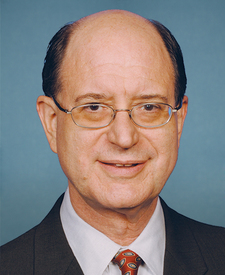
Sponsors
Legislative Progress
In CommitteeMs. Titus (for herself, Mr. McGovern, Mr. Pocan, Mrs. Ramirez, …
Referred to the Committee on Foreign Affairs, and in addition …
Introduced in House
Stakeholder Effects
cui bono?How this legislation distributes effects. Mention counts reflect frequency, not effect magnitude.
LGBTQI human rights defenders, LGBTQI people abroad
Foreign officials responsible for LGBTQI human rights abuses, Secretary of State
Bill Structure & Actor Mappings
Who is "The Secretary" in each section?
We use a combination of our own taxonomy and classification in addition to large language models to assess meaning and potential beneficiaries. High confidence means strong textual evidence. Always verify with the original bill text.
Learn more about our methodology