To clarify the Holocaust Expropriated Art Recovery Act of 2016, to appropriately limit the application of defenses based on the passage of time and other non-merits defenses to claims under that Act.
Summary
What This Bill Does
This bill clarifies the Holocaust Expropriated Art Recovery Act so Nazi-looted art and property claims are resolved on the merits rather than dismissed because too much time has passed or because of discretionary non-merits doctrines. It adds findings responding to cases such as Zuckerman, Cassirer, Von Saher, and Federal Republic of Germany v. Philipp, stating that the Act is meant to permit recovery claims notwithstanding World War II-era timing, regardless of the alleged victim's nationality or citizenship, and notwithstanding the domestic takings rule. For otherwise timely claims, courts may not apply laches, adverse possession, acquisitive prescription, usucapion, act of state, international comity, forum non-conveniens, prudential exhaustion, or similar non-merits doctrines. It also deems covered claims to involve rights in violation of international law for Foreign Sovereign Immunities Act expropriation purposes, authorizes nationwide service of process, includes severability, and applies to pending appeals and claims filed after enactment.
Who Benefits and How
Heirs of Nazi-looted art victims benefit because courts could not dismiss timely claims using passage-of-time or non-merits defenses. Holocaust restitution claimants benefit because claims may proceed regardless of the alleged victim's nationality or citizenship. Art recovery attorneys benefit from clearer federal rules against laches, adverse possession, usucapion, act-of-state, comity, and forum non-conveniens defenses. Museums holding disputed Nazi-era art benefit from clearer litigation rules even though more claims may proceed to merits.
Who Bears the Burden and How
Museums defending Nazi-looted art claims lose several procedural and non-merits defenses. Foreign state instrumentalities face stronger FSIA expropriation jurisdiction for covered claims. Private art possessors must litigate ownership merits rather than relying on time-based doctrines. Federal courts must apply the amended rules to pending, appealed, and future claims.
Key Provisions
- Precludes laches, adverse possession, acquisitive prescription, usucapion, and other passage-of-time defenses for timely HEAR Act claims.
- Blocks act-of-state, international-comity, forum non-conveniens, prudential-exhaustion, and similar non-merits dismissals.
- Provides FSIA expropriation treatment regardless of the alleged victim's nationality or citizenship and authorizes nationwide service of process.
- Applies the amendments to pending claims, pending appeals, unexpired appeal periods, and future claims.
Evidence Chain:
This summary is generated from the full bill text using AI analysis. Expand "Detailed Analysis" below for identified beneficiaries/burden bearers with clause-level evidence links.
At a Glance
What This Bill Does
Strengthens Holocaust Expropriated Art Recovery Act claims by precluding laches, adverse possession, usucapion, act-of-state, comity, forum non-conveniens, and similar non-merits defenses, while preserving nationwide service and applying to pending and future claims.
Key Policy Areas
Holocaust Restitution, Art Recovery, Civil Litigation
Primary Purpose
Strengthens Holocaust Expropriated Art Recovery Act claims by precluding laches, adverse possession, usucapion, act-of-state, comity, forum non-conveniens, and similar non-merits defenses, while preserving nationwide service and applying to pending and future claims.
Policy Domains
Resolution provisions
Identified Gains
- Heirs of Nazi-looted art victims
- Holocaust restitution claimants
- Art recovery attorneys
- Museums holding disputed Nazi-era art
Identified Costs
- Museums defending Nazi-looted art claims
- Foreign state instrumentalities
- Private art possessors
- Federal courts
Sponsors

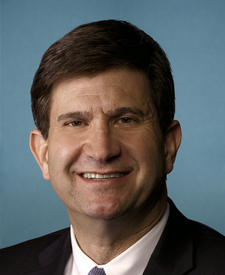



Legislative Progress
In CommitteeMs. Lee of Florida (for herself, Mr. Nadler, Mr. Raskin, …
Referred to the House Committee on the Judiciary.
Introduced in House
Stakeholder Effects
cui bono?How this legislation distributes effects. Mention counts reflect frequency, not effect magnitude.
Heirs of Nazi-looted art victims, Holocaust restitution claimants
Bill Structure & Actor Mappings
Who is "The Secretary" in each section?
We use a combination of our own taxonomy and classification in addition to large language models to assess meaning and potential beneficiaries. High confidence means strong textual evidence. Always verify with the original bill text.
Learn more about our methodology