Made-in-America Defense Act
Summary
What This Bill Does
The Made-in-America Defense Act states that faster delivery of defense articles and services to allies and partners strengthens U.S. national security, that Defense Department contracting can add significant time to deliveries, and that some items may be transferred more quickly through Direct Commercial Sales. The operative section requires the Secretary of State, in coordination with the Secretary of Defense, to review each year the defense articles and defense services that are eligible for Foreign Military Sales under the Arms Export Control Act but are not eligible for Direct Commercial Sales under section 38.
For each reviewed item, the Secretaries must identify items that should also be eligible for Direct Commercial Sales and compare the average time to complete transfers through FMS and DCS from initial letter of request to delivery. They also must analyze the workload effect on the State and Defense Departments and the benefits to U.S. national security and U.S. competitiveness. Within 30 days after each review, State, in coordination with Defense, must report to the House Foreign Affairs Committee, House Armed Services Committee, Senate Foreign Relations Committee, and Senate Armed Services Committee on average transfer times, delay causes, delay-reduction steps, items added to or removed from the FMS-only list, and justifications. Reports are unclassified but may include a classified annex.
Who Benefits and How
U.S. defense manufacturers, U.S. defense exporters, companies using Direct Commercial Sales, allied foreign militaries, partner-country procurement offices, defense trade compliance advisers, and congressional defense-trade overseers benefit because the bill creates a recurring review to identify FMS-only items that could move through faster commercial channels and requires transparency on transfer delays and competitiveness effects.
Who Bears the Burden and How
State Department defense trade officials, Defense Security Cooperation Agency staff, Defense Department acquisition offices, Foreign Military Sales program managers, Direct Commercial Sales licensing staff, the Defense Trade Advisory Group, defense contractors seeking FMS-only protection, House Foreign Affairs Committee staff, House Armed Services Committee staff, Senate Foreign Relations Committee staff, and Senate Armed Services Committee staff must comply with annual reviews, timing comparisons, workload analysis, classified-annex decisions, list-change justifications, and congressional reporting.
Key Provisions
- Requires annual review of defense articles and services on the FMS-only list.
- Requires identification of items that should also be eligible for Direct Commercial Sales.
- Requires comparison of transfer timing between Foreign Military Sales and Direct Commercial Sales.
- Requires analysis of State Department workload, Defense Department workload, national-security effects, and U.S. competitiveness effects.
- Requires reports within 30 days after each review with delay causes, delay-reduction steps, list changes, and justifications.
- Allows unclassified reports to include classified annexes.
Evidence Chain:
This summary is generated from the full bill text using AI analysis. Expand "Detailed Analysis" below for identified beneficiaries/burden bearers with clause-level evidence links.
At a Glance
What This Bill Does
Requires annual State Department and Defense Department review of defense articles and services limited to Foreign Military Sales, identifies items that should also be eligible for Direct Commercial Sales, compares transfer timing and workload, and reports changes to the FMS-only list to Congress.
Key Policy Areas
Defense Trade, Foreign Affairs, Government Oversight
Primary Purpose
Requires annual State Department and Defense Department review of defense articles and services limited to Foreign Military Sales, identifies items that should also be eligible for Direct Commercial Sales, compares transfer timing and workload, and reports changes to the FMS-only list to Congress.
Policy Domains
Substantive provisions
Identified Gains
- U.S. defense manufacturers
- U.S. defense exporters
- Companies using Direct Commercial Sales
- Allied foreign militaries
- Partner-country procurement offices
- Defense trade compliance advisers
- Congressional defense-trade overseers
Identified Costs
- State Department defense trade officials
- Defense Security Cooperation Agency staff
- Defense Department acquisition offices
- Foreign Military Sales program managers
- Direct Commercial Sales licensing staff
- Defense Trade Advisory Group
- Defense contractors seeking FMS-only protection
- House Foreign Affairs Committee staff
- House Armed Services Committee staff
- Senate Foreign Relations Committee staff
- Senate Armed Services Committee staff
Sponsors

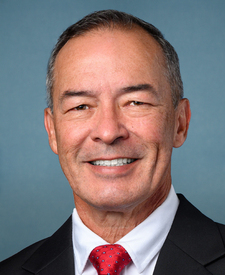



Legislative Progress
Passed HouseReceived in the Senate and Read twice and referred to …
Motion to reconsider laid on the table Agreed to without …
On motion to suspend the rules and pass the bill, …
Passed/agreed to in House: On motion to suspend the rules …
Considered as unfinished business. (consideration: CR H3741)
At the conclusion of debate, the Yeas and Nays were …
DEBATE - The House proceeded with forty minutes of debate …
Mr. Baumgartner moved to suspend the rules and pass the …
Considered under suspension of the rules. (consideration: CR H3727-3728)
Ordered to be Reported (Amended) by the Yeas and Nays: …
Stakeholder Effects
cui bono?How this legislation distributes effects. Mention counts reflect frequency, not effect magnitude.
Defense Security Cooperation Agency staff, Defense Trade Advisory Group, Direct Commercial Sales licensing staff
Positive-direction: House Armed Services Committee staff, House Foreign Affairs Committee staff, Partner-country procurement offices, Senate Armed Services Committee staff, Senate Foreign Relations Committee staff
Negative-direction: Defense Security Cooperation Agency staff, Direct Commercial Sales licensing staff, State Department defense trade officials
Allied foreign militaries, Companies using Direct Commercial Sales, U.S. defense exporters
On Motion to Suspend the Rules and Pass, as Amended
Made-in-America Defense Act
Bill Structure & Actor Mappings
Who is "The Secretary" in each section?
- "dcs"
- → Direct Commercial Sales
- "fms"
- → Foreign Military Sales
- "state"
- → Secretary of State
- "defense"
- → Secretary of Defense
We use a combination of our own taxonomy and classification in addition to large language models to assess meaning and potential beneficiaries. High confidence means strong textual evidence. Always verify with the original bill text.
Learn more about our methodology