Connecting Students with Mental Health Services Act
Summary
What This Bill Does
The Connecting Students with Mental Health Services Act requires the Secretary of Education, in coordination with the Secretary of Health and Human Services, to award grants supporting mental and behavioral health for elementary and secondary students, especially students in rural areas or without access to mental and behavioral health services.
Eligible entities are partnerships between local educational agencies or consortia and community health care providers or educational service agencies. Grant funds may buy or upgrade equipment and technology for school telehealth programs, provide space and personnel for telehealth, and hire or compensate staff administering the program. Applications must include a telehealth program plan and privacy assurances for student information. The Secretary must prioritize high-poverty schools, rural schools, and schools in health professional shortage areas. The program must be established within 180 days.
The Secretaries of Education and HHS must report publicly to Congress by September 30, 2027, on student use of telehealth services and recommendations for reauthorization, expansion, and improvement. The bill authorizes $5 million for each of fiscal years 2026 through 2029.
Who Benefits and How
Elementary and secondary students, rural students, students in high-poverty schools, and students in health professional shortage areas benefit from school-based telehealth access to mental and behavioral health care. Local educational agencies, educational service agencies, community health care providers, and university health systems can receive or partner on grants.
Who Bears the Burden and How
Education Department grant administrators and HHS coordination staff must establish, run, and evaluate the program. Local educational agencies and health providers must submit applications, protect student information, implement telehealth programs, and report outcomes. Federal taxpayers bear the authorized funding cost.
Key Provisions
- Establishes Education Department grants coordinated with HHS for student mental and behavioral health telehealth.
- Allows funds for telehealth equipment, technology, space, personnel, and administrative staff.
- Requires applications with telehealth plans and student privacy assurances.
- Prioritizes high-poverty schools, rural schools, and schools in health professional shortage areas.
- Requires the program to be established within 180 days.
- Requires a public congressional report by September 30, 2027.
- Authorizes $5 million per year for fiscal years 2026 through 2029.
Evidence Chain:
This summary is generated from the full bill text using AI analysis. Expand "Detailed Analysis" below for identified beneficiaries/burden bearers with clause-level evidence links.
At a Glance
What This Bill Does
Creates a Department of Education grant program, coordinated with HHS, for school-health partnerships to support elementary and secondary student mental and behavioral health through telehealth equipment, space, personnel, privacy-protected applications, priority awards, reporting, and a $5 million annual authorization for fiscal years 2026 through 2029.
Key Policy Areas
Education, Mental Health, Telehealth, Federal Grants
Primary Purpose
Creates a Department of Education grant program, coordinated with HHS, for school-health partnerships to support elementary and secondary student mental and behavioral health through telehealth equipment, space, personnel, privacy-protected applications, priority awards, reporting, and a $5 million annual authorization for fiscal years 2026 through 2029.
Policy Domains
Section 2 grants for elementary and secondary student mental and behavioral health telehealth
Identified Gains
- Elementary school students
- Secondary school students
- Rural local educational agencies
- Community health care providers
Identified Costs
- Education Department grant administrators
- HHS school health coordination staff
- Local educational agency applicants
- Federal taxpayers
Sponsors

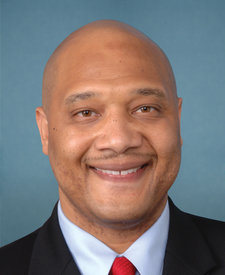
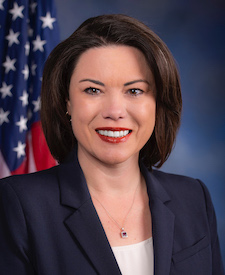


Legislative Progress
In CommitteeMr. Krishnamoorthi (for himself, Mr. Fitzpatrick, Mr. Landsman, Mr. Lawler, …
Referred to the Committee on Education and Workforce, and in …
Introduced in House
Stakeholder Effects
cui bono?How this legislation distributes effects. Mention counts reflect frequency, not effect magnitude.
Elementary school students, Local educational agency applicants, Rural local educational agencies
Positive-direction: Elementary school students, Rural local educational agencies, Secondary school students
Negative-direction: Local educational agency applicants
Bill Structure & Actor Mappings
Who is "The Secretary" in each section?
- "student"
- → Elementary or secondary school student
- "hhs_secretary"
- → Secretary of Health and Human Services
- "eligible_entity"
- → Local educational agency partnership with a community health care provider or educational service agency
- "education_secretary"
- → Secretary of Education
Key Definitions
Terms defined in this bill
A partnership between a local educational agency or consortium and a community health care provider or educational service agency.
Use of electronic information and telecommunications technologies to support long-distance clinical care, health education, public health, and health administration.
We use a combination of our own taxonomy and classification in addition to large language models to assess meaning and potential beneficiaries. High confidence means strong textual evidence. Always verify with the original bill text.
Learn more about our methodology