Housing not Handcuffs Act of 2025
Summary
What This Bill Does
The Housing not Handcuffs Act creates federal protections for homeless individuals using public land when adequate alternative indoor space is unavailable. It bars federal agencies from penalizing permitted uses such as life-sustaining activities, moving in public accommodations, soliciting or sharing food and donations, storing possessions with privacy protections, praying or worshiping, occupying a lawfully parked vehicle or RV, and relocating or retrieving a vehicle before or after towing. The adequate-alternative-space standard is detailed: space must be legally and physically accessible, free, indefinite, disability-accommodating, and able to accommodate pets, partners, family members, support persons, and possessions; tiny homes and permitted parking areas can qualify if they have sanitary facilities. The bill also gives the Attorney General and harmed individuals civil actions for equitable relief and attorney fees, and creates an affirmative defense when a person charged with criminalizing life-sustaining activity lacked adequate alternative indoor space.
Who Benefits and How
Homeless individuals on public land benefit because federal agencies could not punish life-sustaining activities when adequate alternative indoor space is unavailable. People living in vehicles benefit from protections for occupying, relocating, retrieving items from, and retrieving lawfully parked vehicles or recreational vehicles. Homeless-rights attorneys benefit because prevailing plaintiffs can recover litigation costs and reasonable attorney fees. People with pets or disabilities benefit because adequate alternative indoor space must accommodate disabilities, pets, support persons, partners, family, and possessions.
Who Bears the Burden and How
Federal land agencies must stop penalties for covered public-land uses unless adequate alternative indoor space is available. Government officials enforcing camping bans face DOJ or private civil actions for equitable relief. Local governments near federal land may face pressure to provide accessible shelter, tiny homes, or sanitary parking alternatives. Public-land managers must account for privacy, vehicle, worship, donation, and life-sustaining activity protections.
Key Provisions
- Prohibits federal agencies from penalizing homeless individuals for permitted public-land uses when adequate alternative indoor space is unavailable.
- Defines permitted uses to include life-sustaining activities, donations, property storage, religious practice, and vehicle occupancy or retrieval.
- Requires alternative space to be accessible, free, indefinite, disability-accommodating, and able to accommodate pets, partners, family, support persons, and possessions.
- Authorizes Attorney General and private civil actions plus attorney-fee awards for prevailing plaintiffs.
Evidence Chain:
This summary is generated from the full bill text using AI analysis. Expand "Detailed Analysis" below for identified beneficiaries/burden bearers with clause-level evidence links.
At a Glance
What This Bill Does
Bars federal agencies from penalizing homeless individuals for life-sustaining public-land activities when no adequate alternative indoor space is available, with DOJ and private civil enforcement.
Key Policy Areas
Housing, Homelessness, Civil Rights
Primary Purpose
Bars federal agencies from penalizing homeless individuals for life-sustaining public-land activities when no adequate alternative indoor space is available, with DOJ and private civil enforcement.
Policy Domains
Resolution provisions
Identified Gains
- Homeless individuals on public land
- People living in vehicles
- Homeless-rights attorneys
- People with pets or disabilities
Identified Costs
- Federal land agencies
- Government officials enforcing camping bans
- Local governments near federal land
- Public-land managers
Sponsors
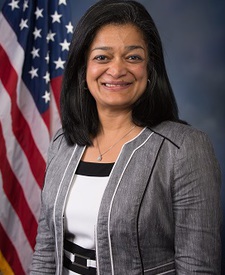

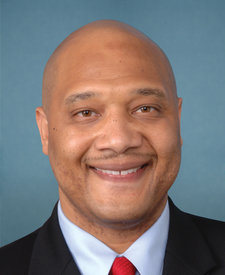
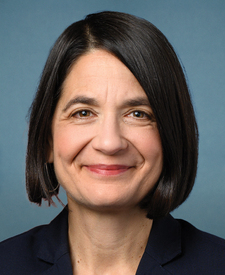

Legislative Progress
In CommitteeMs. Jayapal (for herself, Mr. Frost, Ms. Ansari, Ms. Garcia …
Referred to the Committee on Transportation and Infrastructure, and in …
Introduced in House
Stakeholder Effects
cui bono?How this legislation distributes effects. Mention counts reflect frequency, not effect magnitude.
Federal land agencies, Government officials enforcing camping bans, Public-land managers
Homeless individuals on public land, People living in vehicles
Bill Structure & Actor Mappings
Who is "The Secretary" in each section?
We use a combination of our own taxonomy and classification in addition to large language models to assess meaning and potential beneficiaries. High confidence means strong textual evidence. Always verify with the original bill text.
Learn more about our methodology