No Secret Police Act of 2025
Summary
What This Bill Does
The No Secret Police Act adds an identification rule for Department of Homeland Security officers and agents performing border-security or immigration-enforcement detentions or arrests. During a covered detention or arrest, the officer must identify the DHS component that employs them, display or wear visible official insignia or uniform, and may not wear a face covering or other item concealing the face. The bill preserves tactical gear but requires the Secretary to report current tactical-gear policies to House and Senate homeland security committees within 30 days and report later policy changes. It also directs DHS Science and Technology, with component heads, to research technology that maximizes visibility of official insignia or uniforms during detentions and arrests.
Who Benefits and How
People detained in immigration enforcement benefit because officers must identify their DHS component and display visible official insignia or uniform. Immigrant-rights attorneys benefit from clearer officer identification during arrests and detentions. Congressional homeland security committees benefit from required reports on DHS tactical-gear policies and changes. Civil liberties organizations benefit because the bill limits face coverings and secretive officer presentation in covered operations.
Who Bears the Burden and How
DHS immigration agents must change field practices when detaining or arresting individuals in covered border or immigration functions. Customs and Border Protection officers must display visible official identifiers and avoid face coverings unless another law applies. The Secretary of Homeland Security must submit tactical-gear reports within 30 days and after policy modifications. DHS Science and Technology staff must research visibility technology for official insignia and uniforms.
Key Provisions
- Requires DHS officers in covered border-security or immigration-enforcement detentions to identify their employing component.
- Requires visible official insignia or uniforms during covered detentions or arrests.
- Prohibits face coverings or other items that conceal the officer's face while preserving tactical gear policies.
- Directs tactical-gear reports and DHS research on technology that maximizes visibility of official identifiers.
Evidence Chain:
This summary is generated from the full bill text using AI analysis. Expand "Detailed Analysis" below for identified beneficiaries/burden bearers with clause-level evidence links.
At a Glance
What This Bill Does
Requires DHS border-security and immigration-enforcement officers to identify their component, display visible insignia or uniforms, avoid face coverings during detentions or arrests, report tactical-gear policies, and research visibility technology.
Key Policy Areas
Immigration Enforcement, Civil Liberties, Homeland Security
Primary Purpose
Requires DHS border-security and immigration-enforcement officers to identify their component, display visible insignia or uniforms, avoid face coverings during detentions or arrests, report tactical-gear policies, and research visibility technology.
Policy Domains
Resolution provisions
Identified Gains
- People detained in immigration enforcement
- Immigrant-rights attorneys
- Congressional homeland security committees
- Civil liberties organizations
Identified Costs
- DHS immigration agents
- Customs and Border Protection officers
- Secretary of Homeland Security
- DHS Science and Technology staff
Sponsors
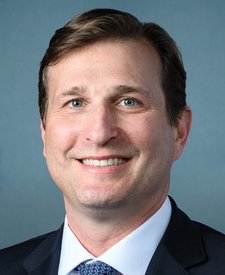

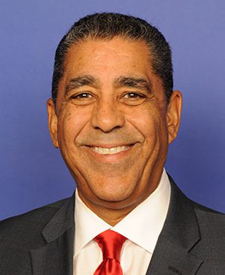

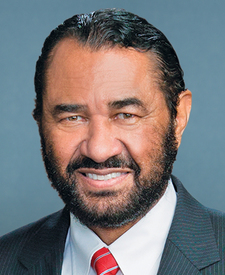
Legislative Progress
In CommitteeReferred to the Subcommittee on Border Security and Enforcement.
Mr. Goldman of New York (for himself, Mr. Espaillat, Mr. …
Referred to the Committee on Homeland Security, and in addition …
Introduced in House
Stakeholder Effects
cui bono?How this legislation distributes effects. Mention counts reflect frequency, not effect magnitude.
Customs and Border Protection officers, DHS Science and Technology staff, DHS immigration agents
Bill Structure & Actor Mappings
Who is "The Secretary" in each section?
We use a combination of our own taxonomy and classification in addition to large language models to assess meaning and potential beneficiaries. High confidence means strong textual evidence. Always verify with the original bill text.
Learn more about our methodology