Bridge Corrosion Prevention and Repair Act of 2025
Summary
What This Bill Does
The Bridge Corrosion Prevention and Repair Act makes corrosion control a more explicit federal bridge-policy requirement. For federally assisted highway bridge projects and federally assisted railroad bridge projects, it defines certified contractors and qualified corrosion-control training programs, then requires certified contractors for surface preparation, coating application, hazardous coating removal, and shop painting of structural steel or rebar. It adds corrosion-control work on rail bridges to eligible federal grant uses. It also directs the Secretary of Transportation to study best practices for inspecting and addressing corrosion on weathering steel bridges and to share the report with Congress, state DOTs, MPOs, regional planning organizations, and local bridge owners.
Who Benefits and How
Certified corrosion-control contractors benefit because federally assisted bridge work must use firms with recognized capability certification. Industrial coatings trainees benefit because qualified corrosion-control and apprenticeship programs become more valuable for bridge projects. State transportation departments benefit from federal study findings on weathering-steel inspection and corrosion response. Bridge users benefit from stronger corrosion-prevention practices on highway and rail bridge projects.
Who Bears the Burden and How
Bridge project sponsors must hire certified contractors for specified surface preparation, coating, hazardous-removal, and shop-painting work. Rail bridge owners must meet grant conditions when seeking federal funds for corrosion-control work. The Secretary of Transportation must conduct and publish the weathering-steel best-practices study within 18 months. Uncertified bridge contractors may lose eligibility for federally assisted corrosion-control tasks.
Key Provisions
- Requires certified contractors for specified corrosion-control work on federally assisted bridge projects.
- Requires qualified corrosion-control training or apprenticeship standards for covered bridge work.
- Expands federal rail-bridge grant eligibility to include corrosion-control work.
- Directs a weathering-steel corrosion study and report for Congress and bridge-owning governments.
Evidence Chain:
This summary is generated from the full bill text using AI analysis. Expand "Detailed Analysis" below for identified beneficiaries/burden bearers with clause-level evidence links.
At a Glance
What This Bill Does
Requires certified contractors and qualified corrosion-control training on federally assisted bridge projects, makes rail-bridge corrosion work grant-eligible, and orders a weathering-steel corrosion study.
Key Policy Areas
Transportation, Infrastructure, Workforce Standards
Primary Purpose
Requires certified contractors and qualified corrosion-control training on federally assisted bridge projects, makes rail-bridge corrosion work grant-eligible, and orders a weathering-steel corrosion study.
Policy Domains
Resolution provisions
Identified Gains
- Certified corrosion-control contractors
- Industrial coatings trainees
- State transportation departments
- Bridge users
Identified Costs
- Bridge project sponsors
- Rail bridge owners
- Secretary of Transportation
- Uncertified bridge contractors
Sponsors




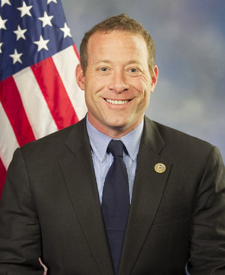
Legislative Progress
In CommitteeReferred to the Subcommittee on Highways and Transit.
Mr. Garamendi (for himself, Mr. Bost, Mr. Deluzio, Mr. Fitzpatrick, …
Referred to the House Committee on Transportation and Infrastructure.
Introduced in House
Sponsor introductory remarks on measure. (CR E627)
Stakeholder Effects
cui bono?How this legislation distributes effects. Mention counts reflect frequency, not effect magnitude.
Certified corrosion-control contractors, Industrial coatings trainees, Uncertified bridge contractors
Positive-direction: Certified corrosion-control contractors
Negative-direction: Uncertified bridge contractors
Bill Structure & Actor Mappings
Who is "The Secretary" in each section?
We use a combination of our own taxonomy and classification in addition to large language models to assess meaning and potential beneficiaries. High confidence means strong textual evidence. Always verify with the original bill text.
Learn more about our methodology