Veterans Border Patrol Training Act
Summary
What This Bill Does
The Veterans Border Patrol Training Act directs the Department of Homeland Security, in coordination with the Department of Defense and Department of Veterans Affairs, to establish an interdepartmental pilot within 180 days. The pilot uses DoD SkillBridge authority to train and hire transitioning servicemembers as U.S. Border Patrol agents. Annual reports must go to homeland security, armed services, and veterans committees with counts of participants, eligible applicants, and participant categories including Armed Forces members, reserve members, officers, noncommissioned officers, enlisted members, veterans, spouses, and dependents. The pilot sunsets five years after establishment.
Who Benefits and How
Transitioning servicemembers benefit because the pilot creates a structured path from military service into Border Patrol careers. Veterans seeking Border Patrol jobs benefit from interdepartmental training and hiring coordination. U.S. Border Patrol benefits from a targeted recruitment pipeline of applicants with military training and operational experience. Military spouses and dependents benefit if reporting and program design identify family-member participation in border-security careers.
Who Bears the Burden and How
The Department of Homeland Security must establish the pilot, coordinate with DOD and VA, and report annually to congressional committees. Department of Defense SkillBridge staff must align transition-assistance authority with Border Patrol training needs. Department of Veterans Affairs staff must coordinate veteran outreach and support for the pilot. Congressional oversight committees must review annual participation and applicant data until the five-year sunset.
Key Provisions
- Requires DHS to establish a Border Patrol training and hiring pilot within 180 days.
- Uses DoD SkillBridge authority to connect transitioning servicemembers with U.S. Border Patrol agent jobs.
- Directs DHS, DOD, and VA coordination plus annual reports to homeland security, armed services, and veterans committees.
- Sunsets the pilot five years after establishment.
Evidence Chain:
This summary is generated from the full bill text using AI analysis. Expand "Detailed Analysis" below for identified beneficiaries/burden bearers with clause-level evidence links.
At a Glance
What This Bill Does
Creates a five-year DHS, DOD, and VA pilot using DoD SkillBridge to train and hire transitioning servicemembers for U.S. Border Patrol agent jobs.
Key Policy Areas
Veterans, Homeland Security, Workforce Training
Primary Purpose
Creates a five-year DHS, DOD, and VA pilot using DoD SkillBridge to train and hire transitioning servicemembers for U.S. Border Patrol agent jobs.
Policy Domains
Resolution provisions
Identified Gains
- Transitioning servicemembers
- Veterans seeking Border Patrol jobs
- U.S. Border Patrol
- Military spouses
Identified Costs
- Department of Homeland Security
- Department of Defense SkillBridge staff
- Department of Veterans Affairs staff
- Congressional oversight committees
Sponsors
Legislative Progress
In CommitteeReferred to the Subcommittee on Economic Opportunity.
Referred to the Subcommittee on Border Security and Enforcement.
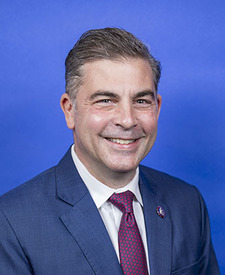
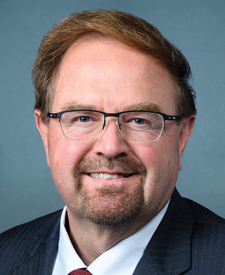
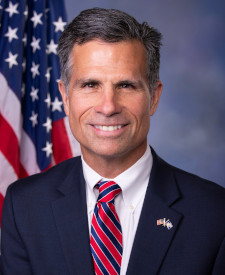
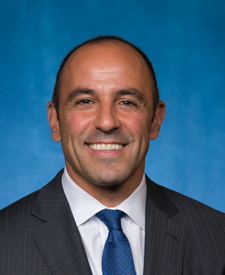
Mr. Carey (for himself and Mr. Panetta) introduced the following …
Referred to the Committee on Homeland Security, and in addition …
Introduced in House
Stakeholder Effects
cui bono?How this legislation distributes effects. Mention counts reflect frequency, not effect magnitude.
Department of Homeland Security, Department of Veterans Affairs staff, U.S. Border Patrol
Positive-direction: U.S. Border Patrol
Negative-direction: Department of Homeland Security, Department of Veterans Affairs staff
Department of Defense SkillBridge staff, Transitioning servicemembers
Bill Structure & Actor Mappings
Who is "The Secretary" in each section?
We use a combination of our own taxonomy and classification in addition to large language models to assess meaning and potential beneficiaries. High confidence means strong textual evidence. Always verify with the original bill text.
Learn more about our methodology