American Agricultural Security Research Act of 2025
Summary
What This Bill Does
The American Agricultural Security Research Act directs USDA to recognize centers of excellence across agriculture and food-security focus areas, including aquaculture, beginning farmers, agricultural biosecurity and cybersecurity, biosystems engineering, specialty-crop automation, animal and plant biotechnologies, crop protection, digital agriculture, farm financial management, and food-quality hazards such as PFAS, microplastics, and heavy metals. It also creates competitive agriculture and food protection grants for research, education, extension, countermeasure development, teaching programs, biosafety and biosecurity facilities, equipment, capital costs, and emergency response capacity. Eligible recipients include experiment stations, state agriculture departments, colleges, universities, research foundations, federal agencies, national labs, and consortia. The authorization is $10 million per fiscal year for 2026 through 2030.
Who Benefits and How
Agricultural biosecurity researchers benefit because USDA must recognize centers of excellence and run competitive food-protection grants. Land-grant universities benefit because they can compete for research, extension, education, facility, equipment, and countermeasure funding. Veterinary medicine schools benefit because teaching programs and agricultural biosecurity capacity are eligible grant uses. Food supply operators benefit from research and emergency-response capacity aimed at chemical, biological, cybersecurity, bioterrorism, and catastrophic threats.
Who Bears the Burden and How
The Secretary of Agriculture must designate centers, run competitive grants, and oversee eligible research and capital uses. Federal taxpayers fund the $10 million annual authorization for fiscal years 2026 through 2030. Grant applicants must document eligible projects, facilities, equipment, countermeasures, and emergency-response capacity. USDA research administrators must evaluate a broad portfolio from aquaculture to PFAS uptake and digital agriculture.
Key Provisions
- Directs USDA to recognize agricultural centers of excellence across biosecurity, cybersecurity, biotechnology, crop protection, digital agriculture, food quality, and related fields.
- Creates competitive grants for agriculture and food protection research, extension, education, countermeasures, facilities, equipment, and emergency response.
- Authorizes eligible entities including experiment stations, agriculture departments, universities, research foundations, federal agencies, national labs, and consortia.
- Authorizes $10 million for each fiscal year 2026 through 2030.
Evidence Chain:
This summary is generated from the full bill text using AI analysis. Expand "Detailed Analysis" below for identified beneficiaries/burden bearers with clause-level evidence links.
At a Glance
What This Bill Does
Creates USDA agricultural-security research centers and competitive grants for food-system protection, biosecurity, cybersecurity, specialty-crop automation, digital agriculture, contaminants, and qualified agricultural countermeasures.
Key Policy Areas
Agriculture, Research, Food Security
Primary Purpose
Creates USDA agricultural-security research centers and competitive grants for food-system protection, biosecurity, cybersecurity, specialty-crop automation, digital agriculture, contaminants, and qualified agricultural countermeasures.
Policy Domains
Resolution provisions
Identified Gains
- Agricultural biosecurity researchers
- Land-grant universities
- Veterinary medicine schools
- Food supply operators
Identified Costs
- Secretary of Agriculture
- Federal taxpayers
- Grant applicants
- USDA research administrators
Sponsors

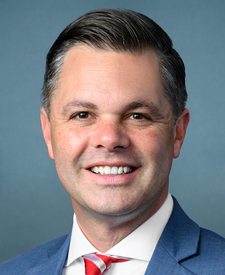
Don Bacon
R-NE | Primary Sponsor
Legislative Progress
In CommitteeMr. Bacon introduced the following bill; which was referred to …
Referred to the House Committee on Agriculture.
Introduced in House
Stakeholder Effects
cui bono?How this legislation distributes effects. Mention counts reflect frequency, not effect magnitude.
Agricultural biosecurity researchers, Food supply operators
Land-grant universities, Veterinary medicine schools
Bill Structure & Actor Mappings
Who is "The Secretary" in each section?
We use a combination of our own taxonomy and classification in addition to large language models to assess meaning and potential beneficiaries. High confidence means strong textual evidence. Always verify with the original bill text.
Learn more about our methodology