To reform the labor laws of the United States, and for other purposes.
Analysis under review: This bill has generated analysis that may be too generic or incomplete. Clause-level evidence remains available below.
Summary
This bill, the "Employee Rights Act," makes sweeping changes to U.S. labor law. It bars undocumented immigrants from voting in union elections. It limits voter lists shared with unions during organizing drives to one contact method chosen by each employee and prohibits unions from misusing personal information. It creates a broad independent contractor test that makes it easier to classify workers outside employee protections, and restricts joint employer liability. Indian Tribes and their enterprises on tribal lands are exempted from the NLRA. Union dues cannot be used for non-representational purposes without annual written consent. Collective bargaining agreements cannot include DEI mandates. The bill also removes the labor dispute exemption from the Hobbs Act, making union-related violence subject to federal prosecution with penalties up to 20 years imprisonment.
Evidence Chain:
This summary is generated from the full bill text using AI analysis. Expand "Detailed Analysis" below for identified beneficiaries/burden bearers.
At a Glance
What This Bill Does
Comprehensive labor law reform ("Employee Rights Act") to restrict union power by tightening independent contractor definitions, limiting union political spending, excluding undocumented workers from union elections, expanding tribal sovereignty over labor relations, banning DEI provisions in collective bargaining agreements, and removing the Hobbs Act labor dispute exemption for union violence.
Who Benefits
- Employers (broader independent contractor classification, joint employer restrictions)
- Gig economy companies (favorable independent contractor test)
- Indian Tribes (exemption from NLRA)
Who Bears Costs
- Labor unions (restricted political spending, reduced membership base, DEI bargaining ban)
- Undocumented workers (excluded from union elections)
- Workers classified as independent contractors (loss of FLSA and NLRA protections)
Key Policy Areas
Labor, Employment
Primary Purpose
Comprehensive labor law reform ("Employee Rights Act") to restrict union power by tightening independent contractor definitions, limiting union political spending, excluding undocumented workers from union elections, expanding tribal sovereignty over labor relations, banning DEI provisions in collective bargaining agreements, and removing the Hobbs Act labor dispute exemption for union violence.
Policy Domains
Legislative Strategy
"Weaken organized labor by restricting who can participate in union elections, limiting how union dues can be spent, narrowing the definition of employee (broader independent contractor classification), and increasing criminal penalties for union-related violence."
Sponsors



Legislative Progress
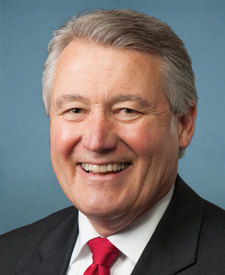
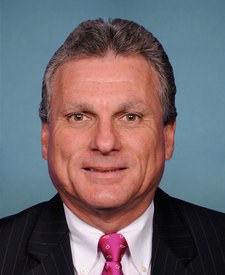
IntroducedMr. Allen (for himself, Mr. Wilson of South Carolina, Mr. …
Stakeholder Effects
cui bono?How this legislation distributes effects. Mention counts reflect frequency, not effect magnitude.
Employees in union organizing campaigns, Labor unions, Labor unions (political spending capacity)
Positive-direction: Employees in union organizing campaigns, Union members opposed to political spending
Negative-direction: Labor unions, Labor unions (political spending capacity), Labor unions (reduced potential membership), Labor unions conducting organizing drives, Labor unions negotiating collective bargaining agreements, Labor unions organizing on tribal lands, Undocumented workers, Union organizers and members engaged in labor disputes, Union organizers and picketers, Workers at tribal enterprises, Workers classified as independent contractors
Businesses affected by labor-related violence or extortion, Employers, Employers and businesses targeted by union violence
Bill Structure & Actor Mappings
Who is "The Secretary" in each section?
- "the_board"
- → National Labor Relations Board
- "the_board"
- → National Labor Relations Board
Key Definitions
Terms defined in this bill
All lands within Indian reservations, trust lands, or Oklahoma former reservation boundaries
An individual where the hiring entity does not exercise significant control over details of work performance, and the individual has entrepreneurial opportunities and risks
We use a combination of our own taxonomy and classification in addition to large language models to assess meaning and potential beneficiaries. High confidence means strong textual evidence. Always verify with the original bill text.
Learn more about our methodology