Burma GAP Act
Summary
What This Bill Does
This bill, the Burma GAP Act, sets U.S. policy on genocide prevention, Rohingya protection, and accountability for atrocities committed by the Burma military junta. It states that the United States should prevent and punish genocide, address root causes of atrocities against Rohingya, support voluntary resettlement or eventual safe repatriation when conditions allow, strengthen humanitarian assistance, promote justice and accountability, and continue not recognizing the Burma military junta as Burma's legitimate political representative.
The bill authorizes the Secretary of State, when there is no U.S. Ambassador to Burma, to appoint a career Senior Foreign Service officer as United States Special Representative and Policy Coordinator for Burma. That official would coordinate international sanctions, dialogue with democracy advocates and armed groups, support for nongovernmental organizations, crisis response, humanitarian assistance, protection, and accountability work. The Secretary of State is also directed to support protection efforts for Rohingya, including access to asylum and refugee mechanisms, protection from indefinite detention and refoulement, legal support for trafficking and gender-based violence survivors, monitoring and rapid response mechanisms, regional search and rescue coordination, support for host communities, and Bangladesh-based justice access.
The accountability provisions direct the Secretary of State to support atrocity-crime documentation, open-source evidence, casework, technical assistance to civil society, international justice mechanisms, and justice for genocide and crimes against humanity committed against Rohingya. The bill requires a report within 180 days and annually for five years covering U.S. efforts, implementation actions, resettlement numbers, new challenges in Burma and camps, early-warning indicators, humanitarian access, and accountability progress. It authorizes such sums as necessary for fiscal years 2026 through 2030 for sections 6, 7, and 8, plus $5 million per year for State Department atrocity-crime investigations, documentation, and casework.
Who Benefits and How
Rohingya refugees benefit from U.S. support for protection claims, asylum mechanisms, legal services, host-community support, resettlement tracking, and protection from refoulement. Rohingya communities in Burma benefit from monitoring, rapid response, communications support, and efforts to deter further atrocities. Burmese ethnic minorities benefit because the bill's protection and atrocity-prevention policies extend beyond Rohingya where atrocities and displacement are linked to the junta. Atrocity documentation organizations and open-source evidence organizations benefit from authorized funding and State Department support for casework. Democracy advocates in Burma benefit from a Special Representative mandate to coordinate direct dialogue and international support. Congressional foreign affairs committees benefit from annual reporting on programs, risk factors, refugee resettlement, and accountability efforts.
Who Bears the Burden and How
Secretary of State Burma policy staff must coordinate protection, sanctions, humanitarian, accountability, and reporting work. A designated Special Representative would carry diplomatic and interagency coordination responsibilities across sanctions, regional governments, democracy advocates, and humanitarian actors. Burma military junta officials face increased accountability pressure through atrocity documentation, sanctions coordination, and justice mechanisms. State Department reporting staff must produce annual five-year reports with detailed resettlement, program, and risk-factor data. U.S. taxpayers bear the cost of authorized foreign assistance and $5 million per year for atrocity-crime investigations and documentation.
Key Provisions
- Establishes U.S. policy to prevent and punish genocide against Rohingya and address root causes of atrocities in Burma.
- Authorizes a United States Special Representative and Policy Coordinator for Burma when no U.S. Ambassador is in place.
- Directs State Department support for Rohingya protection, asylum access, legal services, communications, regional coordination, and host-community assistance.
- Directs support for atrocity-crime documentation, open-source evidence, legal casework, and accountability mechanisms.
- Requires a report within 180 days and annual reports for five years.
- Authorizes fiscal year 2026 through 2030 funds, including $5 million per year for State Department atrocity investigations and casework.
Evidence Chain:
This summary is generated from the full bill text using AI analysis. Expand "Detailed Analysis" below for identified beneficiaries/burden bearers with clause-level evidence links.
At a Glance
What This Bill Does
Establishes a U.S. policy framework for Rohingya protection, Burma atrocity accountability, a possible Special Representative and Policy Coordinator for Burma, regional protection efforts, justice and documentation support, five years of reports, and fiscal year 2026 through 2030 authorization of funds for assistance and atrocity-crime casework.
Key Policy Areas
Foreign Affairs, Human Rights, Humanitarian Assistance, Sanctions
Primary Purpose
Establishes a U.S. policy framework for Rohingya protection, Burma atrocity accountability, a possible Special Representative and Policy Coordinator for Burma, regional protection efforts, justice and documentation support, five years of reports, and fiscal year 2026 through 2030 authorization of funds for assistance and atrocity-crime casework.
Policy Domains
House resolution provisions
Identified Gains
- Rohingya refugees
- Rohingya communities in Burma
- Burmese ethnic minorities
- Atrocity documentation organizations
- Open-source evidence organizations
- Burma democracy advocates
- Congressional foreign affairs committees
Identified Costs
- Secretary of State Burma policy staff
- United States Special Representative staff
- Burma military junta officials
- State Department reporting staff
- U.S. taxpayers
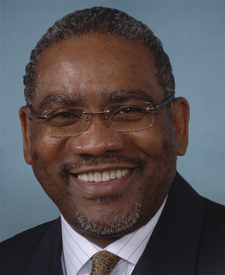
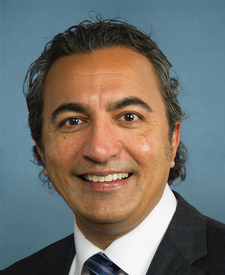
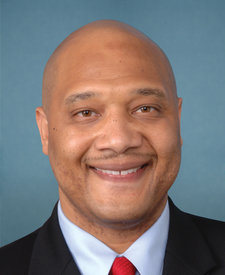
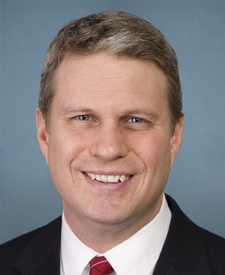
Sponsors
Legislative Progress
ReportedOrdered to be Reported (Amended) by the Yeas and Nays: …
Committee Consideration and Mark-up Session Held
Mr. Meeks (for himself, Mr. McCaul, Mr. Bera, and Mr. …
Referred to the House Committee on Foreign Affairs.
Introduced in House
Stakeholder Effects
cui bono?How this legislation distributes effects. Mention counts reflect frequency, not effect magnitude.
Burma military junta, Burma military perpetrators, Congressional oversight committees
Department of State faces effects in multiple directions
Positive-direction: Congressional oversight committees, National Unity Government (NUG) and allied organizations
Negative-direction: Burma military junta, Burma military perpetrators, Government of Bangladesh
Atrocity investigation and documentation organizations, Independent Investigative Mechanism for Myanmar, International humanitarian organizations and NGOs
Host communities receiving refugees, Rohingya civil society and human rights activists, Rohingya people
Positive-direction: Host communities receiving refugees, Rohingya civil society and human rights activists, Rohingya people, Rohingya refugees and internally displaced persons, Rohingya victims and survivors
Negative-direction: Taxpayers
Bill Structure & Actor Mappings
Who is "The Secretary" in each section?
- "state"
- → Department of State
- "secretary"
- → Secretary of State
- "special_representative"
- → United States Special Representative and Policy Coordinator for Burma
We use a combination of our own taxonomy and classification in addition to large language models to assess meaning and potential beneficiaries. High confidence means strong textual evidence. Always verify with the original bill text.
Learn more about our methodology