Supporting the Mental Health of Educators and Staff Act of 2025
Summary
What This Bill Does
The Supporting the Mental Health of Educators and Staff Act creates federal support for suicide prevention, resiliency, mental health, and substance-use services for teachers and school staff. HHS, consulting with Education, must identify and disseminate evidence-based or evidence-informed best practices within two years. HHS must also create a national education and awareness initiative, with stakeholders and medical professional associations, to encourage education professionals and school staff to seek mental health or substance-use care, identify suicide and mental-health risk factors, respond to risks, and reduce stigma; $10 million per year is authorized for FY2026-FY2028. The bill adds Public Health Service Act section 764B grants or contracts for state and local educational agencies, higher education institutions, or consortia to establish or enhance programs such as awareness, suicide prevention, peer support, telehealth, care, follow-up, and referrals, with priority for high-Title-I areas. HHS must review educator mental health within two years, and GAO must report within four years on whether federal mental-health and substance-use grant programs address educator needs and duplicate goals.
Who Benefits and How
Education professionals benefit from best practices, stigma-reduction outreach, peer support, care referrals, telehealth, and mental-health programs. School staff benefit because the bill covers non-teacher staff in mental health, suicide prevention, and substance-use support initiatives. State educational agencies benefit from eligibility for grants or contracts to establish or enhance educator mental-health programs. High-poverty school communities benefit because grant priority goes to areas with a high percentage of Title I schools.
Who Bears the Burden and How
The Department of Health and Human Services must disseminate best practices, run the awareness initiative, award grants or contracts, review outcomes, and report to Congress. The Department of Education must consult on best practices and education-workforce mental health needs. Grant recipients must implement evidence-based or evidence-informed programs and may need to provide care, follow-up, referrals, or peer support. The Government Accountability Office must analyze federal grant programs for educator mental-health coverage and duplication.
Key Provisions
- Requires HHS and Education to disseminate educator mental-health best practices within two years.
- Authorizes $10 million annually for FY2026 through FY2028 for a national education and awareness initiative.
- Creates Public Health Service Act grants or contracts for education-workforce mental health and resiliency programs.
- Requires an HHS review within two years and a GAO report within four years.
Evidence Chain:
This summary is generated from the full bill text using AI analysis. Expand "Detailed Analysis" below for identified beneficiaries/burden bearers with clause-level evidence links.
At a Glance
What This Bill Does
Requires HHS educator mental-health best practices, a national awareness initiative funded at $10 million annually for fiscal years 2026 through 2028, education-workforce mental health grants or contracts, a two-year review, and a four-year GAO report.
Key Policy Areas
Education, Mental Health, Public Health
Primary Purpose
Requires HHS educator mental-health best practices, a national awareness initiative funded at $10 million annually for fiscal years 2026 through 2028, education-workforce mental health grants or contracts, a two-year review, and a four-year GAO report.
Policy Domains
Resolution provisions
Identified Gains
- Education professionals
- School staff
- State educational agencies
- Title I school communities
Identified Costs
- Department of Health and Human Services
- Department of Education
- Grant recipients
- Government Accountability Office
Sponsors
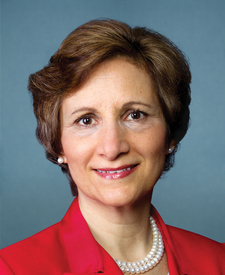
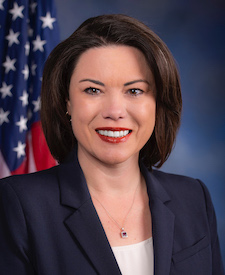

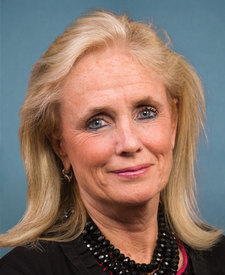

Legislative Progress
In CommitteeMs. Bonamici (for herself, Mr. Fitzpatrick, Mrs. Dingell, and Mr. …
Referred to the Committee on Energy and Commerce, and in …
Introduced in House
Stakeholder Effects
cui bono?How this legislation distributes effects. Mention counts reflect frequency, not effect magnitude.
Education professionals, School staff, State educational agencies
Department of Health and Human Services, Government Accountability Office
Bill Structure & Actor Mappings
Who is "The Secretary" in each section?
We use a combination of our own taxonomy and classification in addition to large language models to assess meaning and potential beneficiaries. High confidence means strong textual evidence. Always verify with the original bill text.
Learn more about our methodology