To amend the Federal Deposit Insurance Act to require reports on the use of the systemic risk authority applicable to winding up a failed insured depository institution, and for other purposes.
Analysis under review: This bill has generated analysis that may be too generic or incomplete. Clause-level evidence remains available below.
Summary
What This Bill Does
This bill requires detailed reports to Congress when regulators invoke the "systemic risk exception" to bail out uninsured depositors at failing banks. It mandates that both the Government Accountability Office (GAO) and the responsible banking regulator provide comprehensive explanations of what went wrong and why emergency action was taken.
Who Benefits and How
Congress gains significant oversight power through mandatory reports at 60, 90, 180, and 210 days after a systemic risk determination. The public and taxpayers benefit from transparency about bank failures that can cost billions in government support. Depositors gain better information about the safety of the banking system.
Who Bears the Burden and How
Federal banking regulators (FDIC, OCC, Federal Reserve) must compile and submit detailed reports including 3 years of examination records, communications with the failed bank, and analysis of supervisory failures. The GAO must conduct reviews of each systemic risk determination within strict deadlines.
Key Provisions
- GAO must review and report to Congress within 60 days (and again at 180 days) on any systemic risk determination
- Banking regulators must disclose 3 years of examination reports and supervisory communications for failed banks
- Reports must examine executive mismanagement, compensation practices, and regulatory shortcomings
- Materials must be published publicly unless there is a substantial public interest in withholding them
Evidence Chain:
This summary is generated from the full bill text using AI analysis. Expand "Detailed Analysis" below for identified beneficiaries/burden bearers.
At a Glance
What This Bill Does
Requires increased transparency and congressional reporting when the FDIC invokes the systemic risk exception to protect uninsured depositors at failing banks
Key Policy Areas
Financial Services, Banking Regulation, Government Oversight
Primary Purpose
Requires increased transparency and congressional reporting when the FDIC invokes the systemic risk exception to protect uninsured depositors at failing banks
Policy Domains
Systemic Risk Authority Transparency Act
Identified Gains
Contextual inference, no direct clause citation- Congress
- Taxpayers
- General Public
- Bank Depositors
Contextual inference, no direct clause citation
Identified Costs
Contextual inference, no direct clause citation- Federal Banking Regulators (FDIC, OCC, Federal Reserve)
- Government Accountability Office
Contextual inference, no direct clause citation
Sponsors

Legislative Progress
ReportedReported with an amendment, committed to the Committee of the …
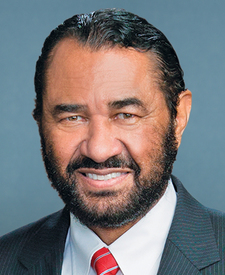
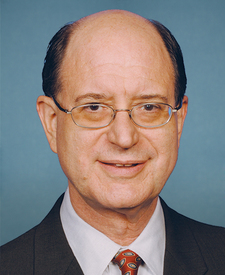
Mr. Green of Texas (for himself, Mr. Sherman, and Mrs. …
Stakeholder Effects
cui bono?How this legislation distributes effects. Mention counts reflect frequency, not effect magnitude.
Congress, Federal banking regulators (FDIC, OCC, Federal Reserve), Government Accountability Office
Positive-direction: Congress
Negative-direction: Federal banking regulators (FDIC, OCC, Federal Reserve), Government Accountability Office
Bill Structure & Actor Mappings
Who is "The Secretary" in each section?
- "federal_banking_agency"
- → FDIC, OCC, or Federal Reserve
- "the_comptroller_general"
- → Comptroller General of the United States (GAO)
- "appropriate_federal_banking_agency"
- → FDIC, OCC, or Federal Reserve depending on bank charter type
Key Definitions
Terms defined in this bill
A bank or savings institution whose deposits are insured by the FDIC
Includes any work-product, attorney-client, or other privilege recognized under Federal or State law
A determination under section 13(c)(4)(G)(i) of the FDIA allowing the FDIC to protect uninsured depositors when there is serious adverse effect on economic conditions or financial stability
We use a combination of our own taxonomy and classification in addition to large language models to assess meaning and potential beneficiaries. High confidence means strong textual evidence. Always verify with the original bill text.
Learn more about our methodology