To amend the Internal Revenue Code of 1986 to exclude certain discharges of indebtedness secured by real property from income.
Sponsors
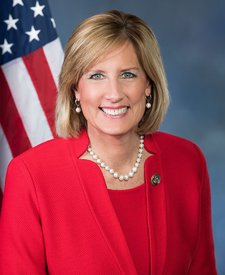


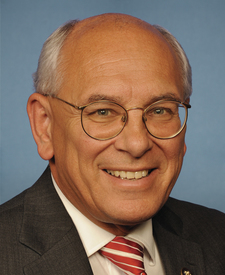
Legislative Progress
IntroducedMs. Tenney (for herself, Mr. Tonko, Mr. Lawler, and Mr. …
Summary
What This Bill Does
The "Saving Our MALLS Act" changes the tax code to give shopping mall owners and other commercial property owners a major tax break when their lenders forgive debt. Normally, when a bank forgives your debt, the IRS treats that forgiven amount as taxable income - meaning you could owe taxes on money you never actually received. This bill eliminates that tax for commercial and retail property owners who had debt forgiven between December 31, 2023, and January 1, 2028, as long as the debt was taken out before March 1, 2023.
Who Benefits and How
Shopping mall owners, retail center landlords, and commercial real estate developers are the primary beneficiaries. These property owners have been struggling since the COVID-19 pandemic decimated foot traffic and forced many retail tenants to close or renegotiate leases. When their lenders agree to forgive debt to avoid bankruptcy, they would normally face enormous tax bills on that "phantom income." This bill lets them avoid those taxes entirely, potentially saving individual mall owners millions of dollars in tax liability. Real Estate Investment Trusts (REITs) that focus on retail properties also benefit significantly, as do their shareholders.
Who Bears the Burden and How
The federal government loses tax revenue - potentially hundreds of millions or billions of dollars depending on how much commercial real estate debt gets forgiven during this period. That lost revenue either increases the federal deficit or must be made up through higher taxes elsewhere or spending cuts. In effect, all U.S. taxpayers are subsidizing the tax relief for struggling mall owners. Commercial lenders might also be affected in complex ways: the tax break could encourage them to forgive more debt (reducing what they recover), but it could also help prevent bankruptcies that would result in total losses.
Key Provisions
• Excludes from taxable income any forgiveness of "qualified commercial or retail indebtedness" - debt secured by commercial real property used in a trade or business
• Applies only to debt originally incurred or assumed before March 1, 2023, and forgiven between December 31, 2023, and January 1, 2028 - a targeted window designed to address COVID-era retail distress
• Specifically excludes residential rental property and certain exempt facilities from qualifying, focusing the benefit on commercial retail operations like shopping malls, strip centers, and standalone retail buildings
• Requires the debt to be continuously secured by the qualifying property from the time it was incurred until discharge
• Integrates with existing tax code section 108 rules on discharge of indebtedness, adding a new category alongside existing exclusions for bankruptcy, insolvency, and farm debt
Evidence Chain:
This summary is derived from the structured analysis below. See "Detailed Analysis" for per-title beneficiaries/burden bearers with clause-level evidence links.
Primary Purpose
Amends the Internal Revenue Code to exclude from taxable income the discharge of certain commercial or retail debt secured by real property, specifically targeting struggling shopping malls and retail centers
Policy Domains
Legislative Strategy
"Provide tax relief to struggling commercial real estate owners, particularly shopping mall operators, by allowing them to avoid recognizing income from debt forgiveness during the post-COVID retail downturn"
Likely Beneficiaries
- Shopping mall owners and operators
- Commercial retail property owners
- Real estate investment trusts (REITs) focused on retail properties
- Retail landlords with distressed debt
Likely Burden Bearers
- Federal government (reduced tax revenue)
- Taxpayers generally (increased deficit)
- Commercial real estate lenders (may be more willing to forgive debt, reducing recovery)
Bill Structure & Actor Mappings
Who is "The Secretary" in each section?
- "IRS"
- → Internal Revenue Service (enforcement authority)
- "the_taxpayer"
- → Commercial or retail property owner claiming the exclusion
Key Definitions
Terms defined in this bill
Indebtedness that was (A) incurred or assumed before March 1, 2023, (B) discharged between December 31, 2023 and January 1, 2028, and (C) secured by specified real property at all times between incurrence and discharge
Real property that is (A) used in a trade or business, (B) not residential rental property (not in IRC 168(b)(3)(B)), and (C) not exempt facility property (not in IRC 144(c)(6)(B))
We use a combination of our own taxonomy and classification in addition to large language models to assess meaning and potential beneficiaries. High confidence means strong textual evidence. Always verify with the original bill text.
Learn more about our methodology