To reauthorize the Trafficking Victims Protection Act of 2000, and for other purposes.
Analysis under review: This bill has generated analysis that may be too generic or incomplete. Clause-level evidence remains available below.
Summary
What This Bill Does
This bill reauthorizes the Trafficking Victims Protection Act through fiscal year 2029, significantly increasing funding for anti-trafficking programs. It strengthens oversight of countries on the Tier 2 watch list and integrates counter-trafficking considerations into U.S. foreign development assistance.
Who Benefits and How
Trafficking victims and survivor organizations benefit from increased appropriations ($23M for core programs, $111M for total authorizations, up to $37.5M for modern slavery programs). Anti-trafficking NGOs receive clearer protection that their aid is exempt from sanctions on Tier 3 countries. The State Department's Office to Monitor and Combat Trafficking gains clearer authority with direct reporting to the Secretary of State.
Who Bears the Burden and How
Tier 3 countries (worst trafficking offenders) face clearer sanctions: no non-humanitarian foreign assistance to their central governments, no educational/cultural exchange funding. Countries on the Tier 2 watch list face stricter scrutiny and potential downgrade after 2 years. USAID and other development agencies must incorporate anti-trafficking protections into disaster relief planning.
Key Provisions
- Extends authorizations from FY2021 to FY2029 with major funding increases
- Countries on Tier 2 watch list for 2+ years face automatic downgrade to Tier 3 unless waived
- Foreign assistance must avoid creating conditions that increase trafficking vulnerability
- Humanitarian, health, and NGO-delivered aid explicitly exempted from Tier 3 sanctions
- Office director reports directly to Secretary of State
Evidence Chain:
This summary is generated from the full bill text using AI analysis. Expand "Detailed Analysis" below for identified beneficiaries/burden bearers.
At a Glance
What This Bill Does
Reauthorizes and strengthens the Trafficking Victims Protection Act of 2000 with increased funding, enhanced tier standards, and updated counter-trafficking requirements in foreign assistance
Key Policy Areas
Foreign Affairs, Human Rights, International Development, Anti-Trafficking
Primary Purpose
Reauthorizes and strengthens the Trafficking Victims Protection Act of 2000 with increased funding, enhanced tier standards, and updated counter-trafficking requirements in foreign assistance
Policy Domains
Trafficking Victims Protection Reauthorization
Identified Gains
Contextual inference, no direct clause citation- Trafficking victims and survivors
- Anti-trafficking NGOs
- State Department Office to Monitor and Combat Trafficking
- Humanitarian organizations
Contextual inference, no direct clause citation
Identified Costs
Contextual inference, no direct clause citation- Tier 3 countries (trafficking offenders)
- Tier 2 watch list countries
- USAID and development agencies
Contextual inference, no direct clause citation
Sponsors

Legislative Progress
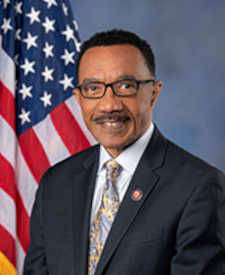
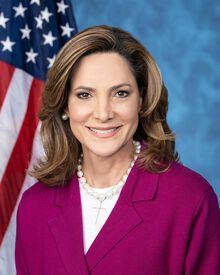
IntroducedMr. Smith of New Jersey (for himself, Mr. Mfume, and …
Stakeholder Effects
cui bono?How this legislation distributes effects. Mention counts reflect frequency, not effect magnitude.
Director of Office to Monitor and Combat Trafficking, Federal Treasury, State Department
Positive-direction: State Department Office to Monitor and Combat Trafficking, U.S. Trade Representative
Negative-direction: Federal Treasury, State Department, USAID and development agencies
Anti-trafficking NGOs and grantees, Anti-trafficking programs and grantees, Development contractors and NGOs
Tier 2 watch list countries, Tier 3 country central governments
Disaster-affected populations vulnerable to trafficking, Trafficking victims in watch list countries
International organizations (UN agencies, etc.)
Bill Structure & Actor Mappings
Who is "The Secretary" in each section?
- "the_director"
- → Director of Office to Monitor and Combat Trafficking
- "the_president"
- → President of the United States
- "the_secretary"
- → Secretary of State
Key Definitions
Terms defined in this bill
US foreign assistance excluding: narcotics/law enforcement, disaster assistance, antiterrorism assistance, health programs, Food for Peace, refugee/migration assistance, and aid through NGOs/international organizations for trafficking, food security, emergencies, humanitarian needs, education, or global health security
We use a combination of our own taxonomy and classification in addition to large language models to assess meaning and potential beneficiaries. High confidence means strong textual evidence. Always verify with the original bill text.
Learn more about our methodology