Prevent Illegal Gun Sales Act
Summary
What This Bill Does
The Prevent Illegal Gun Sales Act is a firearms-dealer enforcement bill. It raises the number of allowed ATF compliance inspections from once to three times, increases certain firearms licensee penalties from one year to five years, adds up to 10 years for serious recordkeeping violations tied to false statements or prohibited transfers, lets the Attorney General suspend or revoke licenses or impose civil penalties up to $10,000 per violation for Gun Control Act violations or failure to have secure storage devices available, ends license authority on the date of felony conviction, authorizes ATF to hire at least 80 employees for additional inspections, allows physical inventory demands when a licensee unlawfully transferred a firearm or 10 or more crime guns trace to the licensee, expands license denial authority for public-safety danger or likely noncompliance, removes willfulness language from certain liability standards, loosens regulatory authority by striking only, and requires ATF biennial implementation reports.
Who Benefits and How
Communities affected by illegal gun sales benefit if stronger inspections, inventory checks, and license actions reduce diversion to crime guns. ATF compliance inspectors benefit from authority for at least 80 additional hires and more frequent dealer inspections. Law enforcement tracing units benefit when dealers with 10 or more traced crime guns can be required to conduct physical inventories. Gun violence prevention advocates benefit from stronger penalties, civil fines, license suspensions, and denial standards for noncompliant dealers.
Who Bears the Burden and How
Federal firearms licensees face up to three annual compliance inspections and higher criminal, civil, suspension, and revocation exposure. Firearms dealers with unlawful transfers or 10 crime-gun traces must conduct physical inventories and provide detailed records when required. The Attorney General must administer expanded license denial, suspension, revocation, civil penalty, and inventory authorities. The Bureau of Alcohol, Tobacco, Firearms and Explosives must hire and manage added inspection staff and submit biennial reports to Congress.
Key Provisions
- Expands allowed firearms dealer compliance inspections from once to three times.
- Increases penalties to five years and adds up to 10 years for trafficking-related recordkeeping offenses.
- Authorizes license suspension, revocation, $10,000 civil penalties, felony-conviction termination, inventory orders, and broader license denials.
- Provides authority for at least 80 additional ATF employees and requires biennial implementation reports.
Evidence Chain:
This summary is generated from the full bill text using AI analysis. Expand "Detailed Analysis" below for identified beneficiaries/burden bearers with clause-level evidence links.
At a Glance
What This Bill Does
Expands ATF firearms dealer inspections, increases licensee criminal penalties, adds 10-year penalties for recordkeeping tied to trafficking, authorizes suspensions and civil penalties, ends licenses upon felony conviction, permits at least 80 ATF hires, requires inventories for unlawful transfers or 10 crime-gun traces, broadens license denial standards, removes willfulness limits, and requires biennial reports.
Key Policy Areas
Firearms, Law Enforcement, Public Safety
Primary Purpose
Expands ATF firearms dealer inspections, increases licensee criminal penalties, adds 10-year penalties for recordkeeping tied to trafficking, authorizes suspensions and civil penalties, ends licenses upon felony conviction, permits at least 80 ATF hires, requires inventories for unlawful transfers or 10 crime-gun traces, broadens license denial standards, removes willfulness limits, and requires biennial reports.
Policy Domains
Resolution provisions
Identified Gains
- Communities affected by illegal gun sales
- ATF compliance inspectors
- Law enforcement tracing units
- Gun violence prevention advocates
Identified Costs
- Federal firearms licensees
- Firearms dealers with crime-gun traces
- Attorney General
- Bureau of Alcohol Tobacco Firearms and Explosives
Sponsors

Legislative Progress
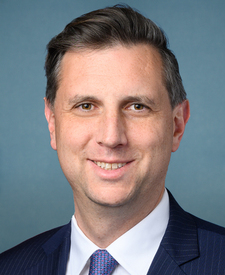
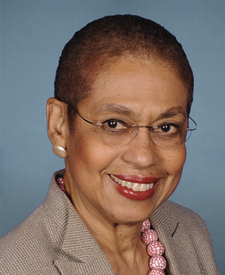
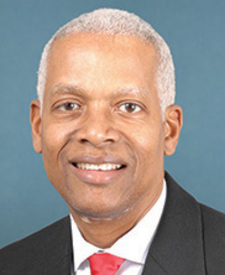
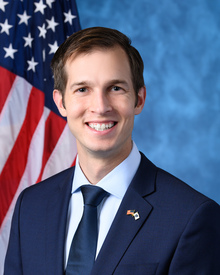
In CommitteeMr. Magaziner (for himself, Mr. Johnson of Georgia, Ms. Norton, …
Referred to the House Committee on the Judiciary.
Introduced in House
Stakeholder Effects
cui bono?How this legislation distributes effects. Mention counts reflect frequency, not effect magnitude.
ATF compliance inspectors, Law enforcement tracing units
Federal firearms licensees, Firearms dealers with crime-gun traces
Bureau of Alcohol Tobacco Firearms and Explosives
Bill Structure & Actor Mappings
Who is "The Secretary" in each section?
We use a combination of our own taxonomy and classification in addition to large language models to assess meaning and potential beneficiaries. High confidence means strong textual evidence. Always verify with the original bill text.
Learn more about our methodology