Health Equity and Access under the Law for Immigrant Families Act of 2025
Summary
What This Bill Does
The Health Equity and Access under the Law for Immigrant Families Act removes immigration-status barriers across Medicaid, CHIP, ACA exchange subsidies, Basic Health Program rules, and Medicare buy-in provisions. It requires states to provide Medicaid to lawfully residing individuals, including battered individuals and people with approved or pending deferred action or other federally authorized presence, if they otherwise meet eligibility requirements, and prevents affidavit-of-support debt from accruing based on that medical assistance. It treats all federally authorized presence as lawfully present for ACA exchange, cost-sharing, premium-tax-credit, Medicaid, and CHIP purposes, creates a special enrollment period within 90 days for covered individuals already present, removes ACA citizenship and lawful-residence restrictions beginning after 2025, lets states elect Medicaid and CHIP coverage for otherwise eligible individuals without lawful presence, preserves premium-credit access for some lawfully present noncitizens, and updates Medicare Part A and Part B buy-in eligibility for lawfully present individuals.
Who Benefits and How
Medicaid applicants with lawful presence benefit because Medicaid coverage becomes mandatory when they otherwise meet eligibility rules. CHIP beneficiaries with federally authorized presence benefit because deferred action and similar presence categories count as lawful presence. Undocumented child beneficiaries and pregnant patients benefit in states that elect the new Medicaid or CHIP coverage options. ACA marketplace consumers benefit from removal of citizenship and lawful-presence barriers and a special enrollment period for newly eligible individuals.
Who Bears the Burden and How
State Medicaid agencies must cover lawfully residing individuals and may need systems changes if they elect coverage for people without lawful presence. Health and Human Services marketplace offices must implement eligibility, subsidy, and special enrollment changes. Federal taxpayers bear increased premium-credit, Medicaid, CHIP, and Medicare buy-in support if more people enroll. State budget offices may bear costs if states choose optional Medicaid or CHIP coverage for people without lawful presence.
Key Provisions
- Requires Medicaid coverage for lawfully residing individuals who otherwise meet eligibility rules.
- Provides federally authorized presence as lawful presence for ACA, premium-credit, Medicaid, and CHIP eligibility.
- Removes ACA citizenship and immigration barriers for plan years and taxable years beginning after December 31, 2025.
- Creates state options for Medicaid and CHIP coverage of otherwise eligible individuals without lawful presence and expands Medicare buy-in access.
Evidence Chain:
This summary is generated from the full bill text using AI analysis. Expand "Detailed Analysis" below for identified beneficiaries/burden bearers with clause-level evidence links.
At a Glance
What This Bill Does
Expands health coverage eligibility for lawfully present and federally authorized noncitizens, removes ACA citizenship and lawful-presence barriers, lets states cover undocumented people through Medicaid and CHIP options, preserves premium-credit access, and opens Medicare buy-in eligibility to lawfully present individuals.
Key Policy Areas
Health Coverage, Immigration, Medicaid
Primary Purpose
Expands health coverage eligibility for lawfully present and federally authorized noncitizens, removes ACA citizenship and lawful-presence barriers, lets states cover undocumented people through Medicaid and CHIP options, preserves premium-credit access, and opens Medicare buy-in eligibility to lawfully present individuals.
Policy Domains
Resolution provisions
Identified Gains
- Medicaid applicants with lawful presence
- CHIP beneficiaries with deferred action
- Undocumented child beneficiaries
- ACA marketplace consumers
Identified Costs
- State Medicaid agencies
- HHS marketplace offices
- Federal taxpayers
- State budget offices
Sponsors

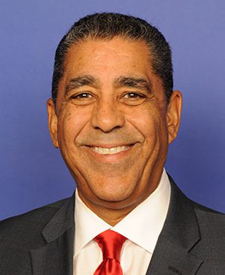
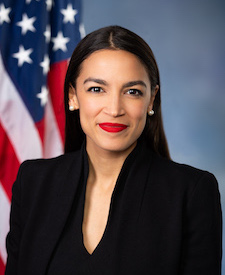
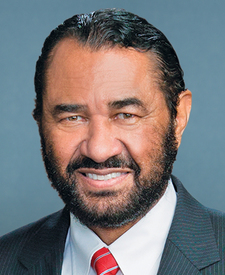
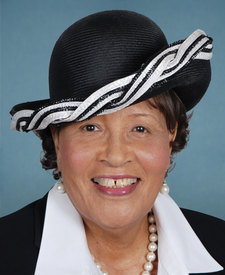
Legislative Progress
In CommitteeMs. Jayapal (for herself, Ms. Barragán, Ms. Balint, Mr. Beyer, …
Referred to the Committee on Energy and Commerce, and in …
Introduced in House
Stakeholder Effects
cui bono?How this legislation distributes effects. Mention counts reflect frequency, not effect magnitude.
CHIP beneficiaries with deferred action, Medicaid applicants with lawful presence, Undocumented child beneficiaries
HHS marketplace offices, State Medicaid agencies
Bill Structure & Actor Mappings
Who is "The Secretary" in each section?
We use a combination of our own taxonomy and classification in addition to large language models to assess meaning and potential beneficiaries. High confidence means strong textual evidence. Always verify with the original bill text.
Learn more about our methodology