Cancer Drug Parity Act of 2025
Summary
What This Bill Does
The Cancer Drug Parity Act adds an ERISA parity rule for oral anticancer medications. If a group health plan or related coverage covers anticancer medications administered by a health care provider, then cost-sharing for prescribed FDA-approved patient-administered anticancer medications used to kill, slow, or prevent cancer-cell growth must be no less favorable than cost-sharing for IV or injected anticancer medications administered by a provider. The parity rule applies when the treating physician finds the oral drug medically necessary or clinically appropriate. Plans may not comply by increasing out-of-pocket costs, reclassifying benefits, or applying more restrictive limits to oral drugs. The bill preserves prior authorization and appropriate utilization controls, does not require oral drugs to replace other therapies, does not preempt stronger state protections, and requires GAO to study effects on out-of-pocket costs and access within two years.
Who Benefits and How
Cancer patients prescribed oral anticancer drugs benefit because cost-sharing must be no less favorable than for IV or injected cancer drugs. Oncology clinicians benefit because plan design cannot make clinically appropriate oral drugs financially inferior solely because patients administer them. Patients in ERISA group health plans benefit from anti-redesign protections against higher out-of-pocket costs or more restrictive oral-drug limits. Cancer access advocates benefit from a GAO report on financial barriers and recommendations to improve oral anticancer medication access.
Who Bears the Burden and How
Group health plans must redesign cost-sharing so covered oral anticancer drugs receive parity with provider-administered drugs. Health insurance issuers offering group coverage must avoid offsetting benefit changes that raise anticancer drug costs. Plan administrators must still manage prior authorization or utilization controls without violating the parity rule. The Government Accountability Office must complete a study and report to Congress within two years.
Key Provisions
- Creates ERISA cost-sharing parity for prescribed patient-administered oral anticancer medications.
- Limits parity to FDA-approved drugs found medically necessary or clinically appropriate by the treating physician.
- Prohibits plans from offsetting compliance by raising out-of-pocket costs, reclassifying benefits, or adding more restrictive oral-drug limits.
- Requires GAO to study out-of-pocket costs and access effects within two years.
Evidence Chain:
This summary is generated from the full bill text using AI analysis. Expand "Detailed Analysis" below for identified beneficiaries/burden bearers with clause-level evidence links.
At a Glance
What This Bill Does
Requires ERISA group health plans that cover provider-administered anticancer drugs to make patient-administered oral anticancer drug cost-sharing no less favorable, bars offsetting benefit redesign, and requires a GAO study within two years.
Key Policy Areas
Health Insurance, Cancer Care, ERISA
Primary Purpose
Requires ERISA group health plans that cover provider-administered anticancer drugs to make patient-administered oral anticancer drug cost-sharing no less favorable, bars offsetting benefit redesign, and requires a GAO study within two years.
Policy Domains
Resolution provisions
Identified Gains
- Cancer patients using oral drugs
- Oncology clinicians
- ERISA plan patients
- Cancer access advocates
Identified Costs
- Group health plans
- Health insurance issuers
- Plan administrators
- Government Accountability Office
Sponsors
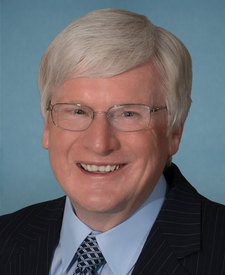




Legislative Progress
In CommitteeMr. Grothman (for himself, Ms. Bonamici, Mr. Bilirakis, Mr. Fitzpatrick, …
Referred to the House Committee on Education and Workforce.
Introduced in House
Stakeholder Effects
cui bono?How this legislation distributes effects. Mention counts reflect frequency, not effect magnitude.
Cancer patients using oral drugs, Oncology clinicians
Group health plans, Health insurance issuers
Bill Structure & Actor Mappings
Who is "The Secretary" in each section?
We use a combination of our own taxonomy and classification in addition to large language models to assess meaning and potential beneficiaries. High confidence means strong textual evidence. Always verify with the original bill text.
Learn more about our methodology