Foreign Adversary Federal Offense Act of 2025
Summary
What This Bill Does
The Foreign Adversary Federal Offense Act increases criminal penalties when certain offenses are committed to advance the interests of a covered nation as defined in title 10. For economic espionage, individuals face a fine of up to $5 million and imprisonment of 10 to 15 years, or 10 to 20 years if severe harm to economic or national security results, with no supervised release eligibility. Organizations face a fine up to the greater of $20 million or five times the value of the stolen trade secret, including avoided research, design, and reproduction costs. Severe harm includes nonpublic critical-infrastructure security, design, operation, or vulnerability information that could threaten incapacitation or destruction. For defense-information offenses under section 793, covered-nation conduct carries imprisonment of 15 years to any term of years or life.
Who Benefits and How
National security prosecutors benefit from stronger penalty ranges for covered-nation espionage and defense-information cases. Critical infrastructure operators benefit if harsher penalties deter theft or transmission of sensitive vulnerability information. U.S. companies with trade secrets benefit from higher fines tied to the value of stolen research, design, and avoided reproduction costs. Defense information custodians benefit from a stronger deterrent against transmitting national defense information to covered nations.
Who Bears the Burden and How
Individuals acting for covered nations face mandatory minimum prison terms and no supervised release eligibility for economic espionage. Organizations acting for covered nations face fines up to $20 million or five times the stolen trade secret value. Defense-information offenders acting for covered nations face 15 years to life imprisonment exposure. Federal courts must apply new covered-nation penalty enhancements and severe-harm findings.
Key Provisions
- Amends economic espionage penalties for offenses advancing covered-nation interests.
- Provides individual penalties up to $5 million and 10-to-15 or 10-to-20 year imprisonment ranges.
- Provides organizational fines up to the greater of $20 million or five times stolen trade secret value.
- Amends defense-information offenses to impose 15 years to life for covered-nation violations.
Evidence Chain:
This summary is generated from the full bill text using AI analysis. Expand "Detailed Analysis" below for identified beneficiaries/burden bearers with clause-level evidence links.
At a Glance
What This Bill Does
Creates enhanced penalties for economic espionage and defense-information offenses committed to advance the interests of a covered foreign nation, including mandatory prison ranges, higher organizational fines, and life exposure for covered defense-information violations.
Key Policy Areas
Criminal Justice, National Security, Economic Espionage
Primary Purpose
Creates enhanced penalties for economic espionage and defense-information offenses committed to advance the interests of a covered foreign nation, including mandatory prison ranges, higher organizational fines, and life exposure for covered defense-information violations.
Policy Domains
Resolution provisions
Identified Gains
- National security prosecutors
- Critical infrastructure operators
- Companies with trade secrets
- Defense information custodians
Identified Costs
- Individuals acting for covered nations
- Organizations acting for covered nations
- Defense-information offenders
- Federal courts
Sponsors


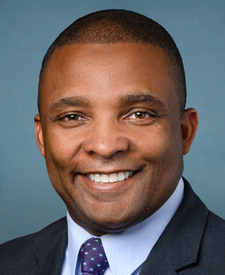
Legislative Progress
In CommitteeMr. Harrigan (for himself, Mr. Knott, and Mr. Baird) introduced …
Referred to the House Committee on the Judiciary.
Introduced in House
Stakeholder Effects
cui bono?How this legislation distributes effects. Mention counts reflect frequency, not effect magnitude.
Companies with trade secrets, Organizations acting for covered nations
Positive-direction: Companies with trade secrets
Negative-direction: Organizations acting for covered nations
Bill Structure & Actor Mappings
Who is "The Secretary" in each section?
We use a combination of our own taxonomy and classification in addition to large language models to assess meaning and potential beneficiaries. High confidence means strong textual evidence. Always verify with the original bill text.
Learn more about our methodology