To direct the Secretary of Homeland Security to establish a publicly available online immigration detention database, and for other purposes.
Sponsors

Legislative Progress
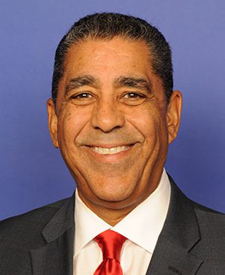
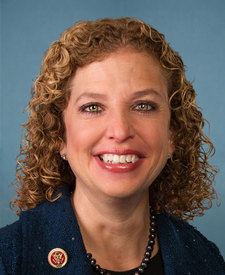
IntroducedMr. Frost (for himself, Ms. Wasserman Schultz, and Mr. Espaillat) …
Summary
What This Bill Does
This bill, the "Stop Unlawful Detention and End Mistreatment Act of 2025," forces the Department of Homeland Security to create a public online database showing detailed information about everyone held in immigration detention by ICE. The database must reveal where people are detained, how long they've been held, and why, with special focus on unusual detention locations like military bases, tribal lands, or facilities outside the continental United States. The bill also protects two oversight offices within DHS that monitor detention conditions and civil rights.
Who Benefits and How
Immigration advocacy organizations and legal aid groups gain powerful new tools to track and assist detainees, as they'll have access to comprehensive detention data updated daily. Detainees and their families benefit from transparency about detention status, location, and conditions. Journalists and researchers studying immigration enforcement gain unfettered access to detention data that was previously difficult or impossible to obtain. Government IT contractors will benefit financially from contracts to build and maintain the database system.
Who Bears the Burden and How
ICE faces major new compliance burdens, requiring daily updates to a complex public database tracking individual detainees, demographic statistics, disciplinary actions, and detailed facility information. Private detention facility operators must provide extensive information about their operations, including costs, standards of care, medical services, and any unresolved safety recommendations from government watchdogs. The Department of Defense may face additional reporting requirements if its facilities are used for immigration detention. These new transparency requirements will increase operational costs and administrative workload for detention agencies and contractors.
Key Provisions
- Creates a mandatory public database with individual detainee information including legal authority for detention, duration, location, transfer history, and removal order status
- Requires demographic breakdowns of the detained population including nationality, age, and immigration status
- Demands daily updates to the database with annual archiving of historical data
- Mandates extensive reporting for "non-traditional" detention locations (DOD property, Indian lands, overseas facilities) including justifications, costs, agreements, bed counts, and compliance measures
- Protects privacy by excluding personally identifiable information from the public database
- Prevents the Secretary of Homeland Security from shutting down or reducing the Office of the Immigration Detention Ombudsman and the Office for Civil Rights and Civil Liberties
Evidence Chain:
This summary is derived from the structured analysis below. See "Detailed Analysis" for per-title beneficiaries/burden bearers with clause-level evidence links.
Primary Purpose
Establishes public transparency requirements for ICE immigration detention and protects oversight offices
Policy Domains
Legislative Strategy
"Increase transparency and oversight of immigration detention practices, particularly non-traditional detention facilities"
Likely Beneficiaries
- Immigration detainees and their families
- Immigration advocacy groups
- Civil liberties organizations
- Journalists and researchers
- Office of the Immigration Detention Ombudsman
- Office for Civil Rights and Civil Liberties
Likely Burden Bearers
- U.S. Immigration and Customs Enforcement (ICE)
- Department of Homeland Security
- Private detention contractors
Bill Structure & Actor Mappings
Who is "The Secretary" in each section?
- "the_secretary"
- → Secretary of Homeland Security
- "the_secretary"
- → Secretary of Homeland Security
Key Definitions
Terms defined in this bill
Information excluded from the public database to protect individual privacy
(1) DOD buildings/grounds/property, (2) Indian lands as defined in 25 CFR 502.12, or (3) lands outside the external boundary of the continental United States
We use a combination of our own taxonomy and classification in addition to large language models to assess meaning and potential beneficiaries. High confidence means strong textual evidence. Always verify with the original bill text.
Learn more about our methodology