GUARD Veterans’ Health Care Act
Summary
What This Bill Does
The GUARD Veterans' Health Care Act strengthens VA cost recovery when the Department of Veterans Affairs furnishes care to veterans who are enrolled in Medicare Advantage or Medicare Part D plans. Beginning with plan years on or after January 1, 2026, MA organizations and PDP sponsors must reimburse VA for covered items and services, including inpatient and outpatient care, prescription drugs, medical devices, lab testing, post-acute care, and long-term care, regardless of extra documentation, utilization-management, or administrative requirements the plan might otherwise impose. Recovered amounts go to the VA Medical Care Collections Fund. The bill also updates VA's broader recovery authority for non-service-connected disabilities, including tort-liability situations, subrogation enforcement, intervention or joinder in proceedings, and a six-year recovery period.
Who Benefits and How
Department of Veterans Affairs medical centers benefit because more reimbursement flows into the VA Medical Care Collections Fund for care already furnished to veterans. Veterans enrolled in Medicare Advantage plans benefit if VA can recover from their private Medicare plan without slowing care delivery. Veterans using Part D drug plans benefit because prescription drug coverage must reimburse VA when the item is covered by the plan. Federal taxpayers benefit if private Medicare plans and tort-liable third parties cover costs that would otherwise remain with VA appropriations.
Who Bears the Burden and How
Medicare Advantage organizations must reimburse VA for covered services without relying on additional utilization-management or documentation barriers. Part D prescription drug plan sponsors must reimburse VA for covered prescription drugs and related items. VA revenue offices must prescribe recovery procedures, pursue subrogation interests, and manage deposits into the Medical Care Collections Fund. Third-party tort defendants and insurers face broader VA collection rights for non-service-connected disability care.
Key Provisions
- Creates a new VA recovery section for Medicare Advantage and Part D plan reimbursement.
- Requires reimbursement for covered VA-furnished care beginning with plan years on or after January 1, 2026.
- Provides that recovered amounts are deposited in the VA Medical Care Collections Fund.
- Expands VA recovery rights for non-service-connected disability care, tort liability, subrogation, and six-year enforcement.
Evidence Chain:
This summary is generated from the full bill text using AI analysis. Expand "Detailed Analysis" below for identified beneficiaries/burden bearers with clause-level evidence links.
At a Glance
What This Bill Does
Requires Medicare Advantage organizations and Part D prescription drug plan sponsors to reimburse the Department of Veterans Affairs for covered care, drugs, devices, tests, and post-acute services furnished to enrolled veterans, and expands VA recovery rights for non-service-connected care.
Key Policy Areas
Veterans, Medicare Advantage, Health Care Finance
Primary Purpose
Requires Medicare Advantage organizations and Part D prescription drug plan sponsors to reimburse the Department of Veterans Affairs for covered care, drugs, devices, tests, and post-acute services furnished to enrolled veterans, and expands VA recovery rights for non-service-connected care.
Policy Domains
Resolution provisions
Identified Gains
- VA medical centers
- Veterans in Medicare Advantage
- Veterans using Part D plans
- Federal taxpayers
Identified Costs
- Medicare Advantage organizations
- Part D plan sponsors
- VA revenue offices
- Third-party insurers
Sponsors



Legislative Progress
In CommitteeCommittee Hearings Held
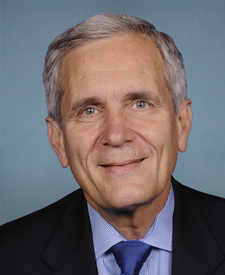
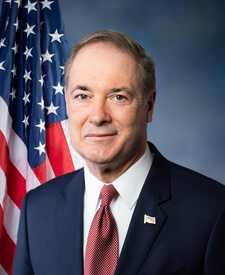
Mr. Doggett (for himself, Mr. Murphy, Mr. Takano, Mr. Schweikert, …
Referred to the Committee on Veterans' Affairs, and in addition …
Introduced in House
Stakeholder Effects
cui bono?How this legislation distributes effects. Mention counts reflect frequency, not effect magnitude.
VA medical centers, Veterans in Medicare Advantage
Medicare Advantage organizations, Part D plan sponsors
Bill Structure & Actor Mappings
Who is "The Secretary" in each section?
We use a combination of our own taxonomy and classification in addition to large language models to assess meaning and potential beneficiaries. High confidence means strong textual evidence. Always verify with the original bill text.
Learn more about our methodology