Insurrection Act of 2025
Summary
What This Bill Does
The Insurrection Act of 2025 replaces the core title 10 Insurrection Act provisions with a narrower, procedure-heavy framework. It declares domestic deployment of the Armed Forces a last resort when state, local, and federal civilian authorities cannot suppress an insurrection, rebellion, severe domestic violence, or obstruction of constitutional or federal rights. It defines triggering conditions, preserves chain of command and standing use-of-force rules, bars suspension of habeas corpus, requires the President to consult Congress where practicable, issue a detailed proclamation, order lawbreakers to disperse, and submit a contemporaneous report with Attorney General and service-secretary certifications. Authority terminates after seven days unless Congress approves it or changed facts justify a new proclamation, approved authority lasts 14 days unless renewed, courts can review substantial evidence, unobligated transferred funds must return when authority ends, and National Guard members on title 32 training or duty may not be used for domestic suppression or law enforcement under the chapter.
Who Benefits and How
State governments benefit because federal military intervention in domestic unrest is limited to defined circumstances and often depends on state requests. Civil rights plaintiffs benefit because the bill preserves intervention for obstruction of constitutional rights, including Voting Rights Act protections, while adding judicial review. Members of Congress benefit from consultation, reports, and approval votes before domestic military authority continues beyond seven days. People affected by domestic troop deployments benefit from expedited access to declaratory and injunctive relief.
Who Bears the Burden and How
The President loses broad discretion because deployments must fit specified triggers, proclamations, reports, and time limits. The Attorney General must certify state requests, state failure, and exhaustion or insufficiency of civilian alternatives where applicable. Service Secretaries must certify that called forces are trained, equipped, and able to complete the assigned mission. Defense planners must track termination dates, congressional approval windows, court injunctions, fund returns, contract termination, and title 32 National Guard limits.
Key Provisions
- Requires domestic Armed Forces deployment under the Insurrection Act to be a last resort.
- Limits triggering circumstances to defined insurrection, rebellion, domestic violence, rights obstruction, or federal-law obstruction conditions.
- Requires presidential consultation, proclamation, dispersal order, congressional reporting, and Attorney General or service-secretary certifications.
- Provides seven-day termination absent congressional approval, 14-day approval periods, judicial review, termination rules, and title 32 National Guard limits.
Evidence Chain:
This summary is generated from the full bill text using AI analysis. Expand "Detailed Analysis" below for identified beneficiaries/burden bearers with clause-level evidence links.
At a Glance
What This Bill Does
Rewrites the Insurrection Act to make domestic military deployment a last resort, define triggering conditions, require consultation, proclamation, reporting, congressional approval, judicial review, termination rules, and limits on National Guard training-duty use.
Key Policy Areas
Defense, Civil Liberties, Emergency Powers
Primary Purpose
Rewrites the Insurrection Act to make domestic military deployment a last resort, define triggering conditions, require consultation, proclamation, reporting, congressional approval, judicial review, termination rules, and limits on National Guard training-duty use.
Policy Domains
Resolution provisions
Identified Gains
- State governments
- Civil rights plaintiffs
- Members of Congress
- People affected by troop deployments
Identified Costs
- President of the United States
- Attorney General
- Service Secretaries
- Defense planners
Sponsors

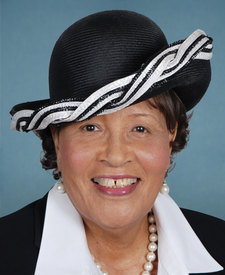

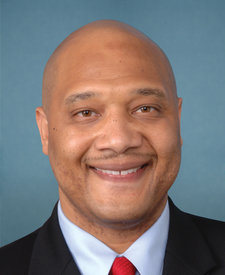

Legislative Progress
In CommitteeMr. Deluzio introduced the following bill; which was referred to …
Referred to the Committee on Armed Services, and in addition …
Introduced in House
Stakeholder Effects
cui bono?How this legislation distributes effects. Mention counts reflect frequency, not effect magnitude.
Attorney General, Members of Congress, President of the United States
Bill Structure & Actor Mappings
Who is "The Secretary" in each section?
We use a combination of our own taxonomy and classification in addition to large language models to assess meaning and potential beneficiaries. High confidence means strong textual evidence. Always verify with the original bill text.
Learn more about our methodology