Optimizing Postpartum Outcomes Act of 2025
Summary
What This Bill Does
The Optimizing Postpartum Outcomes Act targets postpartum pelvic health access. Within one year, HHS must issue guidance on Medicaid and CHIP coverage of covered pelvic health services during the prenatal or postpartum period, including best practices from states, financing options such as CHIP Health Services Initiative funds, technical assistance for screening and referral flexibilities, and suggested terminology and diagnosis codes for pelvic floor dysfunction. GAO must report to Congress on Medicaid and other postpartum coverage gaps. The bill also adds a Public Health Service Act program under which CDC, with HRSA and other agencies, educates health professionals on pelvic floor examinations and pelvic health physical therapy and educates postpartum women on why exams matter, how to obtain referrals, and what therapy involves.
Who Benefits and How
Postpartum women with pelvic floor disorders benefit from clearer Medicaid and CHIP coverage guidance and patient education. Medicaid beneficiaries during the postpartum period benefit if states use financing options and flexibilities to improve screening and referrals. Pelvic health physical therapists benefit because the campaign explains the benefits and availability of their services. State Medicaid agencies benefit from federal guidance on payment models, diagnosis codes, referrals, and financing options.
Who Bears the Burden and How
The Department of Health and Human Services must issue guidance within one year and coordinate Medicaid, CHIP, CDC, and HRSA work. The Government Accountability Office must study and report coverage gaps for postpartum pelvic health and related services. Health professionals must absorb education and training on pelvic floor examinations and referral pathways. State Medicaid agencies may need to update payment, coding, and referral practices if they follow the guidance.
Key Provisions
- Requires HHS Medicaid and CHIP guidance on prenatal and postpartum pelvic health services.
- Requires GAO to report on coverage gaps for postpartum women.
- Creates a CDC-HRSA education campaign for pelvic floor exams and pelvic health physical therapy.
- Defines pelvic floor examination, pelvic health physical therapy, and pelvic health related condition.
Evidence Chain:
This summary is generated from the full bill text using AI analysis. Expand "Detailed Analysis" below for identified beneficiaries/burden bearers with clause-level evidence links.
At a Glance
What This Bill Does
Requires HHS Medicaid and CHIP guidance, a GAO coverage-gap report, and a CDC-HRSA postpartum pelvic health education campaign for pelvic floor exams and pelvic health physical therapy.
Key Policy Areas
Medicaid, Maternal Health, Public Health
Primary Purpose
Requires HHS Medicaid and CHIP guidance, a GAO coverage-gap report, and a CDC-HRSA postpartum pelvic health education campaign for pelvic floor exams and pelvic health physical therapy.
Policy Domains
Resolution provisions
Identified Gains
- Postpartum women with pelvic disorders
- Medicaid beneficiaries after birth
- Pelvic health physical therapists
- State Medicaid agencies
Identified Costs
- Department of Health and Human Services
- Government Accountability Office
- Health professionals
- State Medicaid agencies
Sponsors

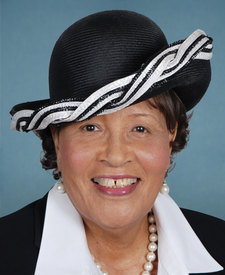
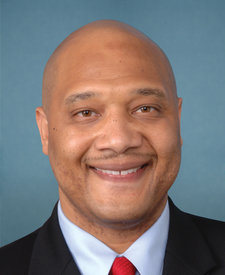

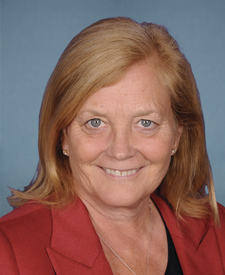
Legislative Progress
In CommitteeMr. Bacon (for himself and Mrs. Trahan) introduced the following …
Referred to the House Committee on Energy and Commerce.
Introduced in House
Stakeholder Effects
cui bono?How this legislation distributes effects. Mention counts reflect frequency, not effect magnitude.
Pelvic health physical therapists, Postpartum women with pelvic disorders
Department of Health and Human Services, State Medicaid agencies
Medicaid beneficiaries after birth
Bill Structure & Actor Mappings
Who is "The Secretary" in each section?
We use a combination of our own taxonomy and classification in addition to large language models to assess meaning and potential beneficiaries. High confidence means strong textual evidence. Always verify with the original bill text.
Learn more about our methodology