MONARCH Act of 2025
Summary
What This Bill Does
The MONARCH Act responds to the collapse of the western monarch butterfly population, citing a decline of more than 99 percent over three decades, a 2020 low of 1,914 butterflies, and fewer than 10,000 recorded in 2024. It creates a Department of the Interior grant program for local governments, Tribal governments, research institutions, nonprofits, and other qualified entities to protect and restore western monarch and pollinator habitat. It establishes the Western Monarch Butterfly Rescue Fund with $12.5 million authorized for each fiscal year 2026 through 2030, limits administrative expenses to 3 percent, directs Interior to work with the National Fish and Wildlife Foundation on the Western Monarch Butterfly Conservation Plan, authorizes another $12.5 million annually for that implementation, and requires annual reports to Congress.
Who Benefits and How
Western monarch butterfly conservation groups benefit from a dedicated grant program for habitat restoration, protection, management, outreach, and education. Tribal governments within the western monarch range benefit because they are eligible grant recipients and consultation partners. Research institutions benefit because projects with expertise in monarch and pollinator conservation can receive funding. Agricultural ecosystems benefit if restored milkweed, nectar plants, and pollinator habitat improve neighboring pollination services.
Who Bears the Burden and How
The Secretary of the Interior must administer grants, manage the rescue fund, coordinate with wildlife authorities, and report annually to Congress. State and federal agencies cannot lead or receive the conservation grants, although they may participate as partners. Grant applicants must document qualifications, methods, anticipated outcomes, consultation, food-safety compatibility, and conservation potential. Federal taxpayers bear the authorized spending of $25 million per year across the rescue fund and conservation-plan implementation.
Key Provisions
- Creates a western monarch butterfly conservation grant program for qualified local, Tribal, research, nonprofit, and expert entities.
- Establishes the Western Monarch Butterfly Rescue Fund and authorizes $12.5 million annually for fiscal years 2026 through 2030.
- Requires Interior to work with the National Fish and Wildlife Foundation on the Western Monarch Butterfly Conservation Plan.
- Authorizes another $12.5 million annually for conservation-plan implementation and requires annual status reports.
Evidence Chain:
This summary is generated from the full bill text using AI analysis. Expand "Detailed Analysis" below for identified beneficiaries/burden bearers with clause-level evidence links.
At a Glance
What This Bill Does
Creates a western monarch butterfly conservation grant program, establishes a Treasury rescue fund, funds National Fish and Wildlife Foundation plan implementation, and requires annual status reports to Congress.
Key Policy Areas
Conservation, Pollinators, Public Lands
Primary Purpose
Creates a western monarch butterfly conservation grant program, establishes a Treasury rescue fund, funds National Fish and Wildlife Foundation plan implementation, and requires annual status reports to Congress.
Policy Domains
Resolution provisions
Identified Gains
- Western monarch conservation groups
- Tribal governments in monarch range
- Pollinator research institutions
- Agricultural ecosystems
Identified Costs
- Secretary of the Interior
- State wildlife agencies
- Grant applicants
- Federal taxpayers
Sponsors


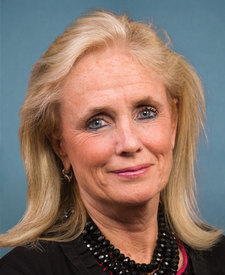

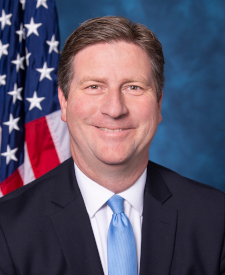
Legislative Progress
In CommitteeMr. Panetta (for himself, Mr. Carbajal, Ms. Norton, Ms. Tokuda, …
Referred to the Committee on Natural Resources, and in addition …
Introduced in House
Stakeholder Effects
cui bono?How this legislation distributes effects. Mention counts reflect frequency, not effect magnitude.
Secretary of the Interior, Tribal governments in monarch range
Positive-direction: Tribal governments in monarch range
Negative-direction: Secretary of the Interior
Bill Structure & Actor Mappings
Who is "The Secretary" in each section?
We use a combination of our own taxonomy and classification in addition to large language models to assess meaning and potential beneficiaries. High confidence means strong textual evidence. Always verify with the original bill text.
Learn more about our methodology