CBP Canine Home Kenneling Pilot Act
Summary
What This Bill Does
This bill directs the Executive Assistant Commissioner of U.S. Customs and Border Protection's Office of Field Operations to establish a canine home-kenneling pilot program within one year. The pilot tests whether allowing CBP working canines to live at their handlers' homes would benefit OFO, canine handlers, and the canines. Before the pilot begins, OFO must distribute written guidance to Field Offices, consult DHS components that use home kenneling, consult the DHS Office of Health Security, and consult National Treasury Employees Union representatives.
The pilot must train handlers to take full responsibility for daily canine care, including feeding, exercise, and medical needs, and must disseminate best practices for integrating a working canine into a handler's residence. At least 10 ports of entry must participate, including seaports, airports, and land ports in urban and rural locations. Handler participation must be voluntary, and the pilot must continue for a set period before CBP reports to Congress on implementation, benefits, risks, costs, and recommendations.
Who Benefits and How
CBP canine handlers benefit if home kenneling improves work-life logistics, bonding, and canine readiness. CBP working canines benefit if stable home placement improves welfare, rest, and daily care. CBP Office of Field Operations benefits from data on whether home kenneling improves operations across ports of entry. National Treasury Employees Union representatives benefit from a consultation role before guidance is finalized. Port directors benefit from clearer procedures for voluntary participation.
Who Bears the Burden and How
CBP Office of Field Operations staff must design the pilot, issue guidance, select at least 10 ports, train handlers, and report to Congress. Participating canine handlers take on daily home-care responsibilities for feeding, exercise, medical needs, and residence integration. DHS Office of Health Security staff must provide consultation on health and safety considerations. Field Office supervisors must monitor voluntary participation and operational effects at seaports, airports, and land ports.
Key Provisions
- Requires OFO to establish a canine home-kenneling pilot program within one year.
- Requires written guidance for Field Offices before the pilot begins.
- Requires consultation with DHS home-kenneling components, the DHS Office of Health Security, and NTEU representatives.
- Requires handler training on daily canine care and residence integration best practices.
- Requires participation by at least 10 ports of entry across seaport, airport, land, urban, and rural settings.
Evidence Chain:
This summary is generated from the full bill text using AI analysis. Expand "Detailed Analysis" below for identified beneficiaries/burden bearers with clause-level evidence links.
At a Glance
What This Bill Does
Requires CBP Office of Field Operations to establish a voluntary canine home-kenneling pilot at at least 10 ports of entry, issue guidance, train handlers, consult DHS and union stakeholders, track canine and handler effects, and report results to Congress.
Key Policy Areas
Border Security, Federal Workforce, Animal Welfare, Pilot Program
Primary Purpose
Requires CBP Office of Field Operations to establish a voluntary canine home-kenneling pilot at at least 10 ports of entry, issue guidance, train handlers, consult DHS and union stakeholders, track canine and handler effects, and report results to Congress.
Policy Domains
House resolution provisions
Identified Gains
- CBP canine handlers
- CBP working canines
- CBP Office of Field Operations
- National Treasury Employees Union representatives
- Port directors
Identified Costs
- CBP Office of Field Operations staff
- Participating canine handlers
- DHS Office of Health Security staff
- Field Office supervisors
Sponsors
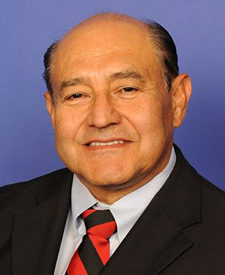
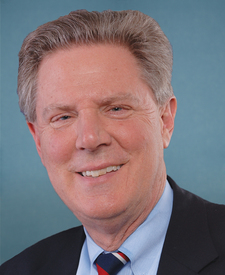


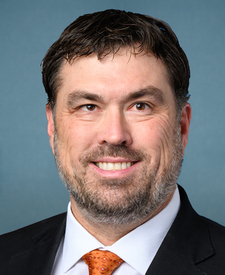
Legislative Progress
ReportedAdditional sponsors: Mr. Kennedy of New York, Ms. Malliotakis, Mr. …
Committed to the Committee of the Whole House on the …
Placed on the Union Calendar, Calendar No. 266.
Reported by the Committee on Homeland Security. H. Rept. 119-312.
Committee Consideration and Mark-up Session Held
Ordered to be Reported by Voice Vote.
Subcommittee on Border Security and Enforcement Discharged
Introduced in House
Referred to the Subcommittee on Border Security and Enforcement.
Referred to the House Committee on Homeland Security.
Stakeholder Effects
cui bono?How this legislation distributes effects. Mention counts reflect frequency, not effect magnitude.
CBP canine handlers, CBP working canines, Participating canine handlers
Positive-direction: CBP canine handlers, CBP working canines
Negative-direction: Participating canine handlers
Bill Structure & Actor Mappings
Who is "The Secretary" in each section?
- "cbp"
- → U.S. Customs and Border Protection
- "ofo"
- → Office of Field Operations
- "nteu"
- → National Treasury Employees Union
We use a combination of our own taxonomy and classification in addition to large language models to assess meaning and potential beneficiaries. High confidence means strong textual evidence. Always verify with the original bill text.
Learn more about our methodology