Occupational Therapy Mental Health Parity Act.
Summary
What This Bill Does
The Occupational Therapy Mental Health Parity Act is a Medicare education and implementation bill. It does not create a new occupational therapy benefit from scratch; it requires the Secretary of Health and Human Services, within one year, to provide education and outreach about the Medicare Benefit Policy Manual for occupational therapy furnished to beneficiaries with substance use or mental health disorder diagnoses. The practical effect is to make existing Medicare coverage rules more visible to providers, beneficiaries, billing staff, and contractors when applicable HCPCS codes support occupational therapy treatment.
Who Benefits and How
Medicare beneficiaries with mental health diagnoses benefit because the outreach can make covered occupational therapy services easier to identify and request. Medicare beneficiaries with substance use disorders benefit when providers better understand that occupational therapy may be billable for functional treatment needs tied to those diagnoses. Occupational therapy providers benefit because HHS education can reduce uncertainty about HCPCS coding and Medicare Benefit Policy Manual coverage language. Medicare billing staff benefit from clearer federal communication about when occupational therapy claims fit existing policy.
Who Bears the Burden and How
The Department of Health and Human Services must prepare and distribute outreach materials within one year. Centers for Medicare and Medicaid Services staff must translate manual language into practical provider education. Medicare Administrative Contractors may need to align provider education and claim-review messaging with the HHS outreach. Occupational therapy practices still must document medical necessity and use applicable HCPCS codes rather than treating the bill as automatic coverage.
Key Provisions
- Requires HHS to provide Medicare outreach within one year of enactment.
- Clarifies occupational therapy coverage for mental health and substance use disorder treatment contexts.
- Uses applicable HCPCS codes and Medicare Benefit Policy Manual guidance as the implementation mechanism.
- Improves provider and beneficiary understanding without creating a new payment category.
Evidence Chain:
This summary is generated from the full bill text using AI analysis. Expand "Detailed Analysis" below for identified beneficiaries/burden bearers.
At a Glance
What This Bill Does
Requires Health and Human Services outreach explaining that Medicare occupational therapy services may cover treatment tied to substance use or mental health disorder diagnoses when billed with applicable HCPCS codes.
Key Policy Areas
Medicare, Mental Health, Occupational Therapy
Primary Purpose
Requires Health and Human Services outreach explaining that Medicare occupational therapy services may cover treatment tied to substance use or mental health disorder diagnoses when billed with applicable HCPCS codes.
Policy Domains
Resolution provisions
Identified Gains
Contextual inference, no direct clause citation- Medicare beneficiaries with mental health diagnoses
- Medicare beneficiaries with substance use disorders
- Occupational therapy providers
- Medicare billing staff
Contextual inference, no direct clause citation
Identified Costs
Contextual inference, no direct clause citation- Department of Health and Human Services
- CMS Medicare staff
- Medicare Administrative Contractors
- Occupational therapy practices
Contextual inference, no direct clause citation
Sponsors


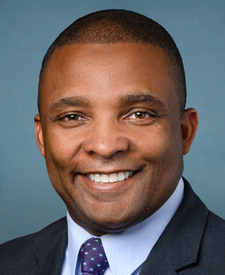

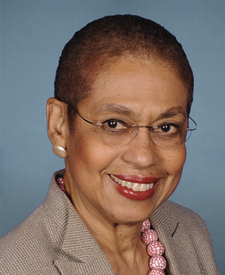
Legislative Progress
In CommitteeMr. Kennedy of New York (for himself and Mr. Nunn …
Referred to the Committee on Ways and Means, and in …
Introduced in House
Bill Structure & Actor Mappings
Who is "The Secretary" in each section?
We use a combination of our own taxonomy and classification in addition to large language models to assess meaning and potential beneficiaries. High confidence means strong textual evidence. Always verify with the original bill text.
Learn more about our methodology