Preventing Lethal Agricultural and National Threats (PLANT) Act
Summary
What This Bill Does
The PLANT Act adds a criminal biosecurity offense to title 18 for dangerous agricultural pathogens. A person commits the offense by knowingly or recklessly importing a biological agent, toxin, or organism without a required USDA or other agency permit or authorization when the material is designated by regulation as a high-risk agricultural pathogen capable of significant harm to U.S. crops, livestock, or agricultural ecosystems. The baseline penalty is a fine, up to 10 years in prison, or both. The maximum prison term rises to 20 years if the offense conceals origin, is committed by someone acting for or funded by a foreign government, or causes actual economic damage exceeding $1,000,000. The bill defines reckless conduct as conscious disregard of a substantial and unjustifiable risk that the pathogen could cause significant harm, and requires the Agriculture Secretary to define high-risk agricultural pathogen by regulation.
Who Benefits and How
U.S. farmers benefit from a federal criminal deterrent against unpermitted importation of high-risk crop pathogens. Livestock producers benefit because the offense covers pathogens capable of harming livestock or agricultural ecosystems. USDA pathogen regulators benefit from authority to define high-risk agricultural pathogens by regulation. Federal prosecutors benefit from a specific title 18 offense with aggravating factors for foreign backing and major economic damage.
Who Bears the Burden and How
Pathogen importers must obtain required USDA or agency permits before bringing covered materials into the United States. Foreign government-backed importers face up to 20 years imprisonment if they commit a covered offense. Importers concealing origin face enhanced penalties under the aggravating-factor provision. Researchers handling covered organisms must ensure import permits and authorizations are in place.
Key Provisions
- Creates a title 18 offense for knowing or reckless unpermitted importation of high-risk agricultural pathogens.
- Requires USDA to define high-risk agricultural pathogen by regulation.
- Provides up to 10 years imprisonment for baseline offenses.
- Provides up to 20 years imprisonment for concealed origin, foreign-government backing, or over $1,000,000 in economic damage.
- Defines reckless conduct as conscious disregard of a substantial and unjustifiable risk.
Evidence Chain:
This summary is generated from the full bill text using AI analysis. Expand "Detailed Analysis" below for identified beneficiaries/burden bearers with clause-level evidence links.
At a Glance
What This Bill Does
Creates a new federal crime for knowingly or recklessly importing, without a USDA or other required permit, a biological agent, toxin, or organism that USDA designates by regulation as a high-risk agricultural pathogen capable of significant harm to U.S. crops, livestock, or agricultural ecosystems, punishable by up to 10 years imprisonment, or up to 20 years if the offense involves concealment of origin, foreign-government backing, or actual economic damage over $1,000,000.
Key Policy Areas
Agriculture, Biosecurity, Criminal Justice
Primary Purpose
Creates a new federal crime for knowingly or recklessly importing, without a USDA or other required permit, a biological agent, toxin, or organism that USDA designates by regulation as a high-risk agricultural pathogen capable of significant harm to U.S. crops, livestock, or agricultural ecosystems, punishable by up to 10 years imprisonment, or up to 20 years if the offense involves concealment of origin, foreign-government backing, or actual economic damage over $1,000,000.
Policy Domains
Resolution provisions
Identified Gains
- U.S. farmers
- Livestock producers
- USDA pathogen regulators
- Federal prosecutors
Identified Costs
- Pathogen importers
- Foreign government-backed importers
- Importers concealing origin
- Researchers handling covered organisms
Sponsors
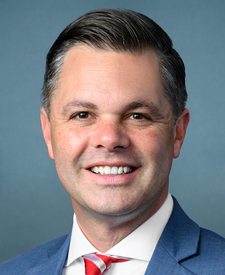



Legislative Progress
In CommitteeMr. Nunn of Iowa (for himself and Mr. Riley of …
Referred to the House Committee on the Judiciary.
Introduced in House
Stakeholder Effects
cui bono?How this legislation distributes effects. Mention counts reflect frequency, not effect magnitude.
Foreign government-backed importers, USDA pathogen regulators
Bill Structure & Actor Mappings
Who is "The Secretary" in each section?
We use a combination of our own taxonomy and classification in addition to large language models to assess meaning and potential beneficiaries. High confidence means strong textual evidence. Always verify with the original bill text.
Learn more about our methodology