No Anonymity in Immigration Enforcement Act of 2025
Summary
What This Bill Does
The No Anonymity in Immigration Enforcement Act creates identification and face-covering rules for ICE enforcement operations. An ICE employee, officer, or contractor conducting an immigration enforcement activity in the United States, including arrest, detention, questioning, raid, or investigation on public or private property, may not wear a facial covering and must wear a garment clearly identifying the agent's name and ICE affiliation. A facial covering includes a mask, garment, helmet, tactical mask, balaclava, or face-shielding item that conceals identity. Exceptions apply when the agent is responding to an imminent threat to life or serious bodily harm or must wear protective gear for safety or medical purposes. Within 48 hours after an exemption is used, the supervisor must document and review whether it was appropriate and start disciplinary review if it was not. DHS must create compliance procedures, including disciplinary review and possible sanctions, complaint intake and review by the DHS Office for Civil Rights and Civil Liberties, and annual congressional reports on discipline and complaints. The Act takes effect 30 days after enactment.
Who Benefits and How
Immigrants subject to enforcement benefit from visible agent names and ICE affiliation during arrests, raids, questioning, detention, or investigations. DHS civil rights staff benefit from explicit complaint intake and review authority for alleged violations. Congressional oversight committees benefit from annual reports on disciplinary actions and complaints. Civil liberties organizations benefit from reduced anonymity in immigration enforcement operations.
Who Bears the Burden and How
ICE agents must avoid facial coverings and wear garments with their names and ICE affiliation during covered operations. ICE supervisors must document and review exemption use within 48 hours and initiate discipline for inappropriate use. DHS compliance staff must establish procedures for sanctions, complaints, and annual reporting. ICE contractors acting under ICE authority must follow the same identification and face-covering rules.
Key Provisions
- Requires ICE agents in enforcement operations to avoid facial coverings.
- Requires garments clearly identifying agent name and ICE affiliation.
- Provides exceptions for imminent threats and protective gear for safety or medical purposes.
- Requires supervisor documentation and review within 48 hours after exemption use.
- Requires DHS disciplinary, complaint, and annual congressional reporting procedures.
- Provides a 30-day effective date.
Evidence Chain:
This summary is generated from the full bill text using AI analysis. Expand "Detailed Analysis" below for identified beneficiaries/burden bearers with clause-level evidence links.
At a Glance
What This Bill Does
Requires ICE agents conducting enforcement operations in the United States to avoid facial coverings and wear garments clearly identifying their names and ICE affiliation, except for imminent threats to life or serious bodily harm or safety or medical protective gear; requires supervisors to document and review exemption use within 48 hours and initiate disciplinary review for inappropriate use; requires DHS compliance procedures, disciplinary review and possible sanctions, CRCL complaint intake and review, annual congressional reports on discipline and complaints, definitions of agent, enforcement operation, facial covering, and United States, severability, and a 30-day effective date.
Key Policy Areas
Immigration Enforcement, Civil Rights, DHS Oversight
Primary Purpose
Requires ICE agents conducting enforcement operations in the United States to avoid facial coverings and wear garments clearly identifying their names and ICE affiliation, except for imminent threats to life or serious bodily harm or safety or medical protective gear; requires supervisors to document and review exemption use within 48 hours and initiate disciplinary review for inappropriate use; requires DHS compliance procedures, disciplinary review and possible sanctions, CRCL complaint intake and review, annual congressional reports on discipline and complaints, definitions of agent, enforcement operation, facial covering, and United States, severability, and a 30-day effective date.
Policy Domains
Resolution provisions
Identified Gains
- Immigrants subject to enforcement
- DHS civil rights staff
- Congressional oversight committees
- Civil liberties organizations
Identified Costs
- ICE agents
- ICE supervisors
- DHS compliance staff
- ICE contractors
Sponsors

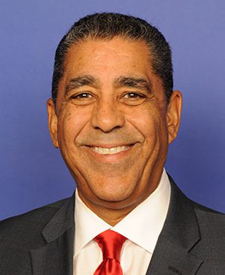

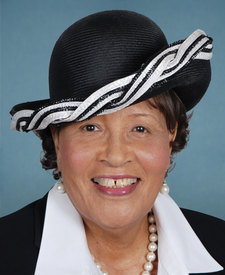

Legislative Progress
In CommitteeMs. Velázquez introduced the following bill; which was referred to …
Referred to the House Committee on the Judiciary.
Introduced in House
Stakeholder Effects
cui bono?How this legislation distributes effects. Mention counts reflect frequency, not effect magnitude.
ICE agents, ICE supervisors, Immigrants subject to enforcement
DHS civil rights staff, DHS compliance staff
Bill Structure & Actor Mappings
Who is "The Secretary" in each section?
We use a combination of our own taxonomy and classification in addition to large language models to assess meaning and potential beneficiaries. High confidence means strong textual evidence. Always verify with the original bill text.
Learn more about our methodology