To approve and implement the Agreement between the American Institute in Taiwan and the Taipei Economic and Cultural Representative Office in the United States regarding Trade between the United States of America and Taiwan, and for other purposes.
Analysis under review: This bill has generated analysis that may be too generic or incomplete. Clause-level evidence remains available below.
Summary
What This Bill Does
This law formally approves and implements the trade agreement between the United States and Taiwan, negotiated under the "United States-Taiwan Initiative on 21st-Century Trade." It establishes procedures for the agreement to take effect, creates robust congressional oversight requirements for any future trade negotiations with Taiwan, and protects U.S. and state laws from being overridden by the trade agreement.
Who Benefits and How
American businesses, farmers, ranchers, and workers engaged in trade with Taiwan benefit from a durable, congressionally-approved trade framework that provides long-term stability and reliability for commercial ties. Taiwan is the 8th-largest U.S. trading partner, making this significant for export-oriented industries. Congress gains enhanced oversight authority over trade negotiations, receiving negotiating texts before they are shared with Taiwan and having formal review periods before agreements can proceed. State insurance regulators are protected, as the law explicitly confirms that state insurance laws cannot be invalidated by the agreement.
Who Bears the Burden and How
The Office of the United States Trade Representative faces significant new compliance burdens, including requirements to share negotiating texts with Congress, provide daily briefings during negotiations, allow congressional review periods, and publish implementation reports. The Executive Branch more broadly faces constraints on its ability to enter future trade agreements with Taiwan unilaterally, as all further agreements must be approved by enacted legislation. Parties seeking to challenge state laws based on the agreement face barriers, as only the federal government can bring such challenges.
Key Provisions
- Formally approves the June 1, 2023 trade agreement between the American Institute in Taiwan and TECRO
- Requires the President to certify that Taiwan has taken necessary compliance measures before the agreement can take effect
- Mandates the Trade Representative submit implementation reports within 180 days of the agreement entering into force
- Requires the Trade Representative to share all negotiating texts with Congressional committees before sharing them with Taiwan
- Prohibits any future trade agreements with Taiwan from taking effect without Congressional approval through enacted legislation
- Protects state laws from being invalidated based on inconsistency with the agreement, except through federal government action
Evidence Chain:
This summary is generated from the full bill text using AI analysis. Expand "Detailed Analysis" below for identified beneficiaries/burden bearers.
At a Glance
What This Bill Does
Approves and implements the trade agreement between the United States and Taiwan (through the American Institute in Taiwan and TECRO), establishes transparency requirements for future trade negotiations, and defines the legal relationship between the Agreement and U.S./State law.
Who Benefits
- US businesses engaged in trade with Taiwan
- Taiwanese businesses engaged in trade with the United States
- US farmers and ranchers with Taiwan export opportunities
Who Bears Costs
- Office of the United States Trade Representative (extensive reporting and transparency requirements)
- Executive Branch (limited unilateral authority on trade agreements)
- Parties seeking to challenge state laws based on the Agreement (no private cause of action)
Key Policy Areas
International Trade, Foreign Policy, Congressional Oversight
Primary Purpose
Approves and implements the trade agreement between the United States and Taiwan (through the American Institute in Taiwan and TECRO), establishes transparency requirements for future trade negotiations, and defines the legal relationship between the Agreement and U.S./State law.
Policy Domains
Legislative Strategy
"Formally approve the US-Taiwan trade agreement while establishing robust congressional oversight over future trade negotiations with Taiwan, ensuring trade agreements cannot override US or State law"
Identified Gains
- US businesses engaged in trade with Taiwan
- Taiwanese businesses engaged in trade with the United States
- US farmers and ranchers with Taiwan export opportunities
- Congress (enhanced oversight over trade negotiations)
- Workers in trade-related industries
Identified Costs
- Office of the United States Trade Representative (extensive reporting and transparency requirements)
- Executive Branch (limited unilateral authority on trade agreements)
- Parties seeking to challenge state laws based on the Agreement (no private cause of action)
Sponsors
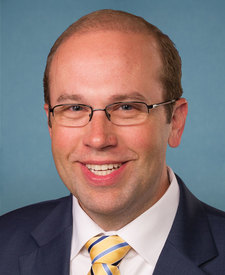
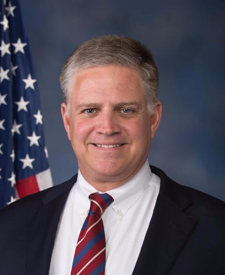



Legislative Progress
ReportedAdditional sponsors: Mr. LaHood, Mr. Thompson of California, Mr. Pascrell, …
Reported with an amendment, committed to the Committee of the …
Mr. Smith of Missouri (for himself, Mr. Neal, Mr. Smith …
Stakeholder Effects
cui bono?How this legislation distributes effects. Mention counts reflect frequency, not effect magnitude.
Congress, Congressional trade advisors (individuals described in 19 U.S.C. 4203(c)(2)(C)), Executive Branch (trade negotiators)
Positive-direction: Congress, Congressional trade advisors (individuals described in 19 U.S.C. 4203(c)(2)(C)), Senate Finance Committee and House Ways and Means Committee
Negative-direction: Executive Branch (trade negotiators), Office of the President, Office of the United States Trade Representative
Bill Structure & Actor Mappings
Who is "The Secretary" in each section?
- "the_president"
- → President of the United States
- "trade_representative"
- → United States Trade Representative
- "appropriate_congressional_committees"
- → Committee on Finance of the Senate and Committee on Ways and Means of the House of Representatives
Key Definitions
Terms defined in this bill
The Agreement between the American Institute in Taiwan and the Taipei Economic and Cultural Representative Office in the United States regarding Trade between the United States of America and Taiwan approved by Congress under section 5
The Committee on Finance of the Senate and the Committee on Ways and Means of the House of Representatives
Any trade agreement (other than the one approved under section 5) arising from the August 17, 2022 negotiating mandate relating to the US-Taiwan Initiative on 21st-Century Trade; or any nonministerial modification or amendment to the Agreement
Any document that proposes the consideration, examination, or adoption of a particular element or language in an international instrument
Any law of a political subdivision of a State; and any State law regulating or taxing the business of insurance
The United States Trade Representative
We use a combination of our own taxonomy and classification in addition to large language models to assess meaning and potential beneficiaries. High confidence means strong textual evidence. Always verify with the original bill text.
Learn more about our methodology