To establish a Tariff Response and Damages to Exports fund, and for other purposes.
Summary
What This Bill Does
This bill creates a Tariff Response And Damages to Exports Fund, called the TRADE Fund, inside the Treasury general fund. The President may deposit into it revenues from duties on imported articles classified under chapters 1 through 24 of the Harmonized Tariff Schedule, which cover agricultural, food, animal, plant, and related products. Amounts in the fund are available to the Agriculture Secretary without further appropriation and without fiscal-year limits. USDA must use deposited amounts to make payments to agricultural producers affected by export competition, reduced access to foreign markets, or other trade-related market disruptions, including decreased exports, foreign tariff or non-tariff barriers, or increased costs for goods needed to produce agricultural commodities and livestock. Within 60 days after each fiscal year in which direct payments are made, USDA must report to House and Senate agriculture and appropriations committees on revenues transferred, economic impacts on affected producers, and assistance provided.
Who Benefits and How
Agricultural producers benefit from direct payments when USDA finds they were harmed by export competition, foreign-market loss, or trade-related disruptions. Livestock producers benefit if higher input costs or foreign barriers tied to trade disruptions qualify for assistance. Farmers facing decreased exports benefit from a dedicated fund using tariff revenues rather than annual appropriations. USDA trade assistance staff benefit from a standing payment authority for tariff-response aid.
Who Bears the Burden and How
Importers of chapter 1 through 24 goods may see tariff revenues redirected into the TRADE Fund rather than general Treasury use. USDA payment staff must determine affected producers, calculate assistance, and report annually to Congress. Federal taxpayers bear fiscal risk because fund amounts are available without later appropriation or fiscal-year limitation. Congressional agriculture committees must review annual reports on revenue transfers, economic impacts, and assistance summaries.
Key Provisions
- Creates the Treasury TRADE Fund for tariff-response assistance.
- Authorizes the President to deposit duties from HTS chapters 1 through 24 imports.
- Directs USDA payments to agricultural producers harmed by export competition, reduced market access, or trade disruptions.
- Includes losses from decreased exports, foreign tariff or non-tariff barriers, and higher production input costs.
- Requires annual reports within 60 days after fiscal years with direct payments.
Evidence Chain:
This summary is generated from the full bill text using AI analysis. Expand "Detailed Analysis" below for identified beneficiaries/burden bearers with clause-level evidence links.
At a Glance
What This Bill Does
Establishes a Treasury TRADE Fund available to USDA without further appropriation or fiscal-year limitation, allows the President to deposit tariff revenues from imports classified under chapters 1 through 24 of the Harmonized Tariff Schedule, directs USDA to pay agricultural producers affected by export competition, reduced foreign-market access, or other trade-related disruptions including decreased exports, foreign tariff or non-tariff barriers, and higher production input costs, and requires annual reports to agriculture and appropriations committees within 60 days after fiscal years with direct payments.
Key Policy Areas
Agriculture, Trade, Tariffs
Primary Purpose
Establishes a Treasury TRADE Fund available to USDA without further appropriation or fiscal-year limitation, allows the President to deposit tariff revenues from imports classified under chapters 1 through 24 of the Harmonized Tariff Schedule, directs USDA to pay agricultural producers affected by export competition, reduced foreign-market access, or other trade-related disruptions including decreased exports, foreign tariff or non-tariff barriers, and higher production input costs, and requires annual reports to agriculture and appropriations committees within 60 days after fiscal years with direct payments.
Policy Domains
Resolution provisions
Identified Gains
- Agricultural producers
- Livestock producers
- Farmers facing decreased exports
- USDA trade assistance staff
Identified Costs
- Importers of chapter 1 goods
- USDA payment staff
- Federal taxpayers
- Congressional agriculture committees
Sponsors

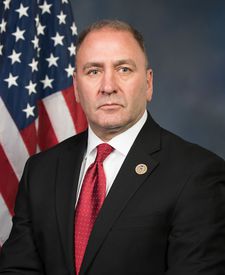

Legislative Progress
In CommitteeMs. Letlow introduced the following bill; which was referred to …
Referred to the Committee on Ways and Means, and in …
Introduced in House
Stakeholder Effects
cui bono?How this legislation distributes effects. Mention counts reflect frequency, not effect magnitude.
Agricultural producers, Farmers facing decreased exports, Livestock producers
USDA payment staff, USDA trade assistance staff
Bill Structure & Actor Mappings
Who is "The Secretary" in each section?
We use a combination of our own taxonomy and classification in addition to large language models to assess meaning and potential beneficiaries. High confidence means strong textual evidence. Always verify with the original bill text.
Learn more about our methodology