Campus Housing Affordability for Foster Youth Act
Summary
What This Bill Does
The Campus Housing Affordability for Foster Youth Act expands housing assistance flexibility for a narrow student population. It removes a prior prohibition on housing assistance to students from a 2006 appropriations law. It then allows the HUD Secretary to waive any section 8 tenant-based assistance requirement for a student who is enrolled in higher education, lives in an on-campus housing facility maintained by the institution, and is in foster care, was in foster care, or was declared an emancipated minor by a court. The bill also protects the assistance from being counted as income when determining eligibility for federal or institutional student financial aid, cooperative education work income, National and Community Service Act living allowances, or child support obligations. The effect is to let foster youth and emancipated minor students receive voucher assistance for campus housing without triggering other benefit or support calculations.
Who Benefits and How
Foster youth students benefit because HUD may waive voucher rules so tenant-based assistance can support on-campus housing. Former foster youth students benefit from the same campus housing pathway even after leaving foster care. Emancipated minor students benefit if a court emancipation order qualifies them for waiver treatment. Campus housing offices benefit when students with housing instability can use assistance for on-campus facilities. Student financial aid offices benefit from a clear rule excluding this assistance from income calculations.
Who Bears the Burden and How
HUD voucher staff must administer waiver decisions for eligible foster youth and emancipated minor students. Public housing agencies must coordinate tenant-based assistance with on-campus housing arrangements. Child support agencies must exclude covered assistance from child-support calculations. Federal taxpayers bear the cost if more voucher assistance is used for campus housing. Students outside the foster-care or emancipation categories remain subject to ordinary restrictions.
Key Provisions
- Repeals the appropriations-law prohibition on housing assistance to students.
- Authorizes HUD to waive section 8 requirements for eligible students living in on-campus housing.
- Limits eligibility to students in foster care, former foster youth, or emancipated minors.
- Excludes covered assistance from student aid, cooperative education, living allowance, and child support income calculations.
Evidence Chain:
This summary is generated from the full bill text using AI analysis. Expand "Detailed Analysis" below for identified beneficiaries/burden bearers with clause-level evidence links.
At a Glance
What This Bill Does
Removes an appropriations-law prohibition on housing assistance to students and authorizes HUD to waive section 8 tenant-based assistance requirements for higher-education students living in on-campus student housing who are in foster care, were in foster care, or were emancipated minors, while excluding such assistance from income for federal or institutional student aid, cooperative education work income, National and Community Service Act living allowances, and child support calculations.
Key Policy Areas
Housing, Foster Youth, Higher Education
Primary Purpose
Removes an appropriations-law prohibition on housing assistance to students and authorizes HUD to waive section 8 tenant-based assistance requirements for higher-education students living in on-campus student housing who are in foster care, were in foster care, or were emancipated minors, while excluding such assistance from income for federal or institutional student aid, cooperative education work income, National and Community Service Act living allowances, and child support calculations.
Policy Domains
Resolution provisions
Identified Gains
- Foster youth students
- Former foster youth students
- Emancipated minor students
- Campus housing offices
- Student financial aid offices
Identified Costs
- HUD voucher staff
- Public housing agencies
- Child support agencies
- Federal taxpayers
- Ineligible students
Sponsors

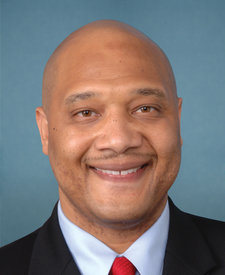



Legislative Progress
In CommitteeMr. Landsman (for himself, Mrs. Beatty, Mr. Bacon, Mr. Lawler, …
Referred to the House Committee on Financial Services.
Introduced in House
Stakeholder Effects
cui bono?How this legislation distributes effects. Mention counts reflect frequency, not effect magnitude.
Emancipated minor students, Former foster youth students, Foster youth students
Campus housing offices, Student financial aid offices
Bill Structure & Actor Mappings
Who is "The Secretary" in each section?
We use a combination of our own taxonomy and classification in addition to large language models to assess meaning and potential beneficiaries. High confidence means strong textual evidence. Always verify with the original bill text.
Learn more about our methodology