To enhance the rights of domestic employees, and for other purposes.
Sponsors
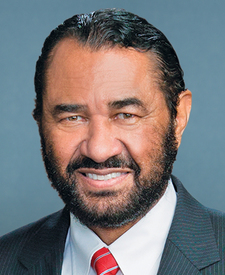
Legislative Progress
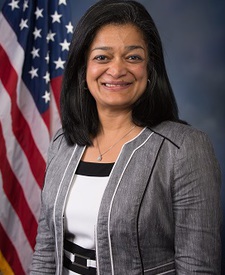
IntroducedMs. Jayapal (for herself, Ms. Adams, Mr. Amo, Ms. Ansari, …
Primary Purpose
Extends comprehensive labor protections and employment rights to approximately 2.2 million domestic workers (nannies, housekeepers, home health aides, personal care assistants) who have historically been excluded from federal workplace laws including overtime protections, civil rights protections, and occupational safety standards.
Policy Domains
Legislative Strategy
"Extends existing federal labor protections to domestic workers through amendments to FLSA, Civil Rights Act, and Social Security Act while creating new regulatory structures and enforcement mechanisms"
Likely Beneficiaries
- Domestic workers (nannies, housekeepers, home health aides, personal care assistants) - estimated 2.2 million workers
- Live-in domestic employees who gain overtime protections and termination notice requirements
- Immigrant workers who comprise a large portion of the domestic workforce
- Women workers who comprise nearly 90% of domestic employees
- Workers of color who are disproportionately represented in domestic work
- Domestic worker advocacy organizations that gain seats on Standards Board
Likely Burden Bearers
- Households employing domestic workers - new compliance requirements including written agreements, paid sick leave, scheduling requirements
- Home care agencies and staffing companies - new labor cost and compliance obligations
- State Medicaid programs - implementation requirements (offset by increased FMAP)
- Federal agencies (DOL, HHS, EEOC) - new enforcement and regulatory responsibilities
- Taxpayers - funding for increased FMAP, grants, hotline, and enforcement
Bill Structure & Actor Mappings
Who is "The Secretary" in each section?
- "the_secretary"
- → Secretary of Labor
- "the_secretary"
- → Secretary of Labor
- "the_secretary"
- → Secretary of Labor
- "the_board"
- → Domestic Employee Standards Board
- "the_secretary"
- → Secretary of Labor
- "the_secretary"
- → Secretary of Labor
- "the_task_force"
- → Interagency Task Force on Domestic Workers Bill of Rights Enforcement
- "the_secretary"
- → Secretary of Health and Human Services
Note: The Secretary refers to Secretary of Labor throughout most of the bill but refers to Secretary of Health and Human Services in Title IV (Medicaid provisions) and jointly in Section 307
Key Definitions
Terms defined in this bill
Any domestic employee to whom the employer expects to provide compensation for not less than 8 hours per week
Services of a household nature performed in or about a private home (permanent or temporary), including services performed by companions, babysitters, cooks, maids, housekeepers, nannies, nurses, janitors, home health aides, personal care aides, and chauffeurs
An employee employed by an employer for the performance of domestic services, excluding family members/friends providing child care, family child care provider employees, and certain casual babysitters
Any period of time that the employer requires the domestic employee to be available to work and wait to contact or be contacted by the employer to determine whether they will be required to report to work
A living arrangement involving not more than 2 individuals with disabilities or elderly receiving Medicaid HCBS services, with an individual providing services for compensation and living in the recipient's home
We use a combination of our own taxonomy and classification in addition to large language models to assess meaning and potential beneficiaries. High confidence means strong textual evidence. Always verify with the original bill text.
Learn more about our methodology