TRUST in Congress Act
Summary
What This Bill Does
The TRUST in Congress Act is a congressional conflict-of-interest bill. Members of Congress and their spouses and dependent children must place covered investments into a qualified blind trust within 180 days after enactment. People who become Members later get 90 days after taking office. A spouse or dependent child can use the Member's qualified blind trust. Once covered investments are placed in the trust, the Member, spouse, or dependent child may not dissolve the trust or otherwise control the investment until 180 days after the Member leaves Congress. House Members must certify to the Clerk within 15 days after the trust is established that the trust exists and covered investments have been placed in it, or certify that the Member, spouse, or dependent child owns no covered investment. Senators must make the same certification to the Secretary of the Senate. The bill shifts stock and other covered investment control away from Members and immediate family during congressional service and creates a certification record for each chamber.
Who Benefits and How
Public ethics advocates benefit because covered congressional investments must be moved into qualified blind trusts. Voters concerned about conflicts benefit from a clearer rule reducing direct Member control over investments during service. Congressional ethics offices benefit from certification records filed with the House Clerk or Senate Secretary. Blind trust administrators benefit from demand for qualified blind trust services.
Who Bears the Burden and How
Members of Congress must move covered investments into qualified blind trusts or certify no ownership. Spouses of Members must place covered investments into trusts and lose direct control during covered periods. Dependent children of Members must have covered investments placed into trusts. House Clerk staff must receive and maintain certifications from House Members. Senate Secretary staff must receive and maintain certifications from Senators.
Key Provisions
- Requires Members, spouses, and dependent children to place covered investments in qualified blind trusts.
- Provides a 180-day deadline after enactment and a 90-day deadline for later-elected Members.
- Prohibits dissolution or control of trust investments until 180 days after the Member leaves Congress.
- Requires House Members to certify trust creation or no covered-investment ownership to the Clerk.
- Requires Senators to certify trust creation or no covered-investment ownership to the Secretary of the Senate.
Evidence Chain:
This summary is generated from the full bill text using AI analysis. Expand "Detailed Analysis" below for identified beneficiaries/burden bearers with clause-level evidence links.
At a Glance
What This Bill Does
Requires Members of Congress, spouses, and dependent children to place covered investments into qualified blind trusts within 180 days of enactment or within 90 days after a later member takes office, bars dissolving the trust or controlling those investments until 180 days after congressional service ends, requires House and Senate certifications within 15 days of trust creation or no covered-investment ownership, and creates compliance duties for the Clerk of the House and Secretary of the Senate.
Key Policy Areas
Congress, Ethics, Financial Regulation
Primary Purpose
Requires Members of Congress, spouses, and dependent children to place covered investments into qualified blind trusts within 180 days of enactment or within 90 days after a later member takes office, bars dissolving the trust or controlling those investments until 180 days after congressional service ends, requires House and Senate certifications within 15 days of trust creation or no covered-investment ownership, and creates compliance duties for the Clerk of the House and Secretary of the Senate.
Policy Domains
Resolution provisions
Identified Gains
- Public ethics advocates
- Voters concerned about conflicts
- Congressional ethics offices
- Blind trust administrators
Identified Costs
- Members of Congress
- Spouses of Members
- Dependent children of Members
- House Clerk staff
- Senate Secretary staff
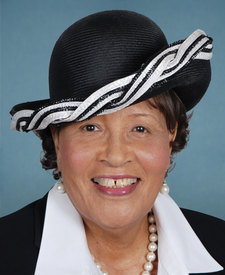
Sponsors




Legislative Progress
In CommitteeMr. Magaziner (for himself, Mr. Roy, Ms. Adams, Mr. Beyer, …
Referred to the House Committee on House Administration.
Introduced in House
Stakeholder Effects
cui bono?How this legislation distributes effects. Mention counts reflect frequency, not effect magnitude.
Congressional ethics offices, Dependent children of Members, House Clerk staff
Bill Structure & Actor Mappings
Who is "The Secretary" in each section?
We use a combination of our own taxonomy and classification in addition to large language models to assess meaning and potential beneficiaries. High confidence means strong textual evidence. Always verify with the original bill text.
Learn more about our methodology